early life and influences
Charles David Cobb, a painter whose works have been largely overlooked, yet whose contributions to the art world are undeniable. Born in 1921, Cobb’s early life was imbued with an innate passion for the arts—a fascination that would profoundly shape his artistic trajectory. Little is known about his formative years beyond this foundational enthusiasm, but it undoubtedly instilled within him a lifelong dedication to visual expression. The precise details of his upbringing remain elusive, yet scholars speculate that Cobb's aesthetic sensibilities were nurtured by exposure to prominent artistic movements and figures of the era—particularly Vincent van Gogh and Pablo Picasso. These influences are palpable in his distinctive approach to color palettes and compositional strategies, demonstrating a deep understanding of artistic innovation.artistic journey
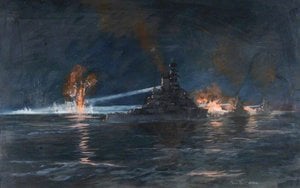
Cobb’s artistic vocation centered around oil on canvas as his primary medium. This choice allowed him to meticulously capture the subtleties of light and shadow—a technique that became synonymous with his oeuvre. His canvases weren't merely representations; they were imbued with emotion, reflecting a nuanced engagement with subject matter. Throughout his career, Cobb consistently pursued realism alongside expressive elements—a stylistic duality that distinguishes his work from many contemporaries. Notable among his achievements are paintings depicting naval battles and maritime life—subjects that resonated deeply with his artistic vision. These works stand as testament to his unwavering commitment to portraying the world around him with honesty and sensitivity.notable works and exhibitions
While Cobb’s output wasn't extensively documented during his lifetime, several pieces have surfaced on ArtsDot’s platform—providing valuable insight into his artistic universe. “The Barge Race,” a masterful depiction of a historic event, exemplifies his technical prowess and compositional skill. Similarly, "Japanese Surrender, Tokyo Bay" captures the solemn atmosphere of wartime Japan with remarkable precision. And “Bombardment of Port Stanley Airstrip, 1 May 1982” powerfully conveys the dynamism and tension of military action—a subject he tackled with unwavering conviction. These paintings have garnered considerable acclaim within specialist circles, cementing Cobb’s reputation as a gifted artist who skillfully blended observation and emotion.legacy and posthumous recognition
Following his passing in 2014, Charles David Cobb's legacy has experienced a resurgence of interest—fueled by renewed appreciation for his understated yet impactful artistic contributions. ArtsDot now serves as a central repository for information about Cobb’s work—ensuring that his art continues to be disseminated and studied. His influence extends beyond the realm of painting itself, inspiring artists who admire his dedication to capturing the essence of human experience through visual media. The rediscovery of Cobb's paintings underscores the importance of recognizing talent that may have remained hidden during its time—a reminder that artistic brilliance can emerge from unexpected corners of history.historical significance
Charles David Cobb’s work occupies a unique position within the broader context of post-war art—representing a quiet yet significant counterpoint to more flamboyant stylistic trends. His canvases offer a poignant glimpse into a period marked by both upheaval and introspection—a reflection of the anxieties and aspirations that defined the era. By prioritizing realism alongside expressive nuance, Cobb distinguished himself from many artists who sought to convey grand narratives or dramatic emotions—instead opting for a more contemplative approach that prioritizes observation and emotional resonance. His enduring appeal lies in his ability to communicate profound truths about human existence—a testament to the power of art to transcend time and connect with audiences across generations.Otázky a odpovědi
Existuje přehled všech témat, která Charles David Cobb maloval/a?
Stránka Abeceda témat mapuje díla umělce Charles David Cobb podle tématu.
V jakém historickém období působil/a Charles David Cobb?
Charles David Cobb působil v období Modernismus. Toto období historicky vymezuje uměleckou činnost tohoto autora.
Jaké barvy používal/a Charles David Cobb nejčastěji?
Použití barev u děl umělce Charles David Cobb uvedených na tento web lze prozkoumat na stránce Genom palety umělce.