


 Zobrazit v interiéru
 Odeslat
 Sdílet
 Podrobnosti
 Průvodce

 Stáhnout obrázek
 Podobné kousky
 Rentgenové snímky
 Slideshow
 Statistiky
Composition I
 Painting
- Geometric Abstraction
 1961
1961- Modern
 50.0 x 35.0 cm
 The Museum of Katowice History
 Přečíst si více
Umělecké dílo zobrazené na této stránce je chráněno autorským zákonem, což znamená, že nemůžeme legálně vytvářet ani prodávat jeho identickou reprodukci. Tato ochrana je vymáhána na základě mezinárodních dohod, jako například Berberská úmluva a národními zákony, včetně těch stanovených v Americký autorský zákon – Díl 17. Všechna práva vyhrazena.
Jako etickou a právní alternativu nabízíme vlastní, ručně malovaná umělecká díla inspirovaná originálem. Naši zdatní a profesionální umělci si pečlivě studují styl, náladu a uměleckou podstatu originálu, aby vytvořili nové, jedinečné dílo, které vyvolává stejný pocit – přičemž zůstává samostatným originálním tvůrčím dílem.
Tato metoda je plně v souladu s autorským právem, protože nezahrnuje kopírování ani duplikování chráněného díla. Jde o kreativní reinterpretaci – nový obraz, který je inspirován originálem, ale není s ním identický.
Ručně malovaná olejová reprodukce
Ručně malované olejné plátno v libovolném rozměru i s rámem, vyrobené našimi umělci na zakázku. ( Přepnout na tiskové verze Přepnout na digitální verzi obrazu)




































Vyberte si z našich přednastavených velikostí, které odpovídají původním proporcím díla.

Zadejte šířku a výšku, které potřebujete pro váš rám nebo stěnu. Protože se jedná o ruční malbu, při výběru jiného formátu může umělec kolem obrazu domalovat o něco více, nebo jej mírně oříznout — rozhodnete si vy. Před zahájením malby vám zašleme digitální náhled ke schválení. Obraz zobrazený na této stránce neodpovídá skutečnému výsledku — pouze digitální náhled jej zobrazuje.
Po přijetí objednávky vám tým ArtsDot.com zašle e-mail s pokyny a poskytne náhledovou verzi.
Celosvětová doprava () za 3–4 týdny namísto standardních 5 týdnů. (20 říjen). Bez kompromisů v kvalitě.

Zdarma celosvětová expresní doprava

Vysoce kvalitní lněné plátno

Úplné pojištění přepravy

Záruka vrácení celního poplatku

Záruka věrného barevného shodu

100dení lhůta pro vrácení zboží (pouze při vadách výroby)

100% garance vrácení peněz

Sleva při více objednávkách
 Skleněná varianta je dostupná pouze u rozměrů menších než 110 cm

Composition I
Technika provedení
Velikost reprodukce
-


Celková cena
Kč 5579
A Dance of Form and Shadow: Rediscovering Composition I
In the quiet, evocative realm of mid-century Polish abstraction, few works capture the tension between human presence and geometric movement as poignantly as Zdzisław Stanek’s Composition I. Created in 1961, this masterpiece serves as a profound window into a period of intense artistic experimentation. At first glance, the viewer is drawn into a complex choreography of figures that seem to emerge from and dissolve into the canvas. A central figure, anchored on the left, bears the weight of a bird with outstretched wings—a motif that immediately invites contemplation of freedom, burden, and the delicate balance between the earthly and the ethereal. The composition is not merely a collection of shapes but a rhythmic arrangement where bodies are positioned in a deliberate, almost musical, sequence across the frame.
The technique employed by Stanek reflects his deep-seated connection to the theories of Wład::adysław Strzemiński, particularly the revolutionary concept of light as an active, transformative force. In Composition I, light does not simply illuminate the subjects; it sculpts them. Through a masterful use of contrast and tonal depth, Stanek creates a sense of three-dimensional movement within a flattened plane. The figures—ranging from those standing sentinel on the right to the more enigmatic presence in the upper corner—are woven together by a shared atmospheric energy. This interplay of light and shadow gives the artwork a breathing quality, making the stillness of the 1961 canvas feel vibrantly alive with an unspoken narrative.
For the discerning collector or interior designer, this piece offers much more than visual interest; it provides a sophisticated emotional anchor for any curated space. The monochromatic essence of the work lends it a timeless, sculptural elegance that complements both minimalist modern interiors and more classical, textured environments. There is a haunting beauty in the way the bird’s wingspan breaks the stillness, suggesting a moment of transition or a sudden burst of inspiration. Owning a high-quality reproduction of this work means bringing into one's home a piece of history—a fragment of the Polish avant-garde that continues to challenge the eye and stir the soul with its profound exploration of form, light, and the human condition.
Otázky a odpovědi
Jakou náladu vyjadřuje „Composition I“ od Zdzisław Stanek v rámci směru Geometric Abstraction?
V rámci směru Geometric Abstraction je dílo „Composition I“ zachyceno v Mysterious tónu.
Jak je utkaná barevná kompozice díla „Composition I“ od Zdzisław Stanek?
V díle "Composition I" je Gentle kontrast spojen s Strong Color Unity harmonií.
Kde by měla být vystavena reprodukce díla „Composition I“ od Zdzisław Stanek?
Formát Portrait díla „Composition I“ od Zdzisław Stanek doporučujeme pro Office. Formát i prostor společně určují ideální umístění reprodukce.
Související díla


Biografie umělce
The Luminous Legacy of Zdzisław Stanek
In the storied landscape of mid-20th-century Polish art, few names resonate with the same quiet intensity as Zdzisław Stanek. Born in 1925 in the industrial heart of Łódź, Stanek emerged not merely as a painter, but as a profound investigator of the very mechanics of sight. His life’s work was a continuous dialogue between the tangible and the ethereal, a pursuit driven by an almost scientific curiosity regarding how light interacts with form to shape human perception. To encounter a Stanek canvas is to step into a world where the boundaries between matter and radiance begin to dissolve, leaving the viewer suspended in a state of luminous contemplation.
The foundation of Stanek’s artistic identity was deeply rooted in the revolutionary theoretical frameworks established by Władmentsław Strzemiński. From his earliest years, Stanek was captivated by Strzemiński’s radical notion that light should not be treated as a mere external source of illumination, but as an active, transformative force capable of sculpting space and evoking deep psychological resonance. This intellectual lineage became the heartbeat of his practice. He embraced the idea that light could breathe life into geometric structures, turning static shapes into dynamic participants in a cosmic dance of color and shadow.
A Synthesis of Geometry and Light
As his career progressed, Stanek’s aesthetic language underwent a fascinating evolution, characterized by a refusal to be tethered to any single passing trend. While he drew significant inspiration from the structural rigor of Cubism, he infused these geometric foundations with an experimental spirit that bordered on the futuristic. His compositions frequently utilized the stark, clean lines of cubes and spheres, yet these were never cold or clinical. Instead, through a masterful application of vibrant pigments and layered textures, he achieved a sense of depth and dimensionality that felt almost organic.
His later explorations into Cyber Art and more abstract geometric forms demonstrated his ability to bridge the gap between classical painterly traditions and the burgeoning technological consciousness of the era. In these works, the interplay of form and color becomes a complex puzzle of light:
- The Role of Form: The use of spheres and cubes serves as an anchor for the eye, providing a structural stability that allows the more fluid elements of the painting to roam freely.
- Chromatic Vibrancy: Stanek utilized color not just for decoration, but as a tool to generate heat, coolness, and movement within the frame.
- Atmospheric Depth: Through subtle gradations, he created an illusion of infinite space, where light seems to emerge from deep within the canvas itself.
Historical Significance and Artistic Spirit
The historical importance of Zdzisław Stanek lies in his role as a bridge between the avant-garde traditions of early 20th-century Poland and the experimental movements that followed. In an era often defined by political and social upheaval, Stanek remained steadfast in his commitment to pure visual experimentation. He resisted the pressure to conform to more literal or propagandistic styles, choosing instead to focus on the universal language of light and geometry. This dedication ensured that his work remained timeless, transcending the specific historical moment of its creation.
Today, Stanek is remembered as a pioneer who dared to treat the canvas as a laboratory for perception. His ability to synthesize the rigid logic of geometric abstraction with the emotive power of light continues to inspire those who seek beauty in the intersection of science and art. His legacy remains etched in the luminous glow of his masterpieces, reminding us that even the most structured forms can be imbued with an eternal, breathing soul.

Zdzisław Stanek
1925 - 1996 , Poland
Rychlé informace
- Full Name: zdzisław stanek
- Nationality: Polish
- Date Of Birth: 1925
- Date Of Death: 1996
- Place Of Birth: Poland
- Notable Artworks:
- Still life with leeks bunch,
- Apples and cheese
- Lightnude II
- Artistic Movement Or Style: Cubism, Cyber art, Surrealism
- Artists Who Influenced This Artist: ['Władysław Strzemiński']
- Artists Or Movements Influenced By This Artist: ['Cyber art']
Související články

Beyond Form & Color: Geometric Abstraction's Evolution in 20th/21st Century Art
Explore the evolution of geometric abstraction from Cubism to contemporary art. Discover key artists like Malevich & Mondrian, investment insights, and expert collecting advice at ArtsDot.

Beyond Form & Color: Geometric Abstraction's Enduring Legacy in Art History
Explore the captivating world of geometric abstraction! Discover its origins, key artists like Malevich & Mondrian, and why this movement remains highly valued by art collectors today. Expert insights at ArtsDot.

Wassily Kandinsky: Top 25 mistrovských děl abstrakce pro váš interiér | ArtsDot.com
Prozkoumejte 25 ikonických děl Wassily Kandinského – průkopníka abstraktního umění a expresionismu. Objevte příběhy za barevnými kompozicemi, Bauhaus styl a inspirujte se pro váš interiér s reprodukcemi nejvyšší kvality na ArtsDot.com.

Geometrická abstrakce: 10 mistrovských děl, které změnily umění | ArtsDot.cz
Prozkoumejte 10 ikonických děl geometrické abstrakce od Mondriana, Maleviče a Kandinského. Objevte příběhy umělců, techniky a historii tohoto revolučního hnutí. Najděte inspiraci pro moderní dekorace a luxusní reprodukce obrazů na ArtsDot.com.
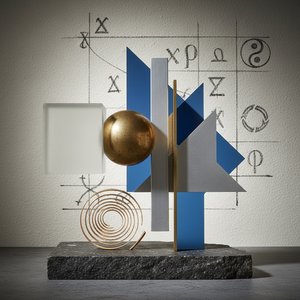
Beyond Form: Exploring the Philosophical Foundations of Geometric Abstraction
Explore the philosophical roots & artistic evolution of geometric abstraction with ArtsDot. Discover Mondrian, Malevich, De Stijl & more. Expert insights for collectors and art enthusiasts.