


Obraz odpovídá vašim volbám: , .
Popis sbírného předmětu
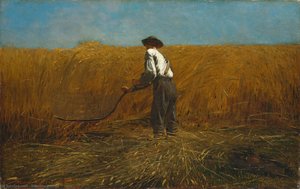
Experience Winslow Homer's 'The Pumpkin Patch' (1878), a captivating watercolor depicting rural American life. Admire its warm tones & community spirit – a timeless masterpiece by an American art icon.
 Zobrazit více
Biografie umělce
Mistr amerického realismu známý dílem The Gulf Stream. Objevte jeho silné marinové a krajinné obrazy ještě dnes.
Ručně malovaná olejová reprodukce
Rukou malované olejné plátno v libovolném rozměru i s rámem, vyrobené našimi umělci na zakázku. ( Přepnout na tisk Přepnout na digitální obraz)
Více informací o tomto obrazu
 Náhled v interiéru
 Sdílet
 Sdílet
 Podrobnosti o díle
 Průvodce

 Stáhnout
 Podobné položky
 Rentgenové snímky
 Slideshow
 Otázky a odpovědi
 Statistiky
Objednejte si svůj obraz ve čtyřech jednoduchých krocích
Nespěchejte. Každou odpověď můžete změnit; cena v košíku se bude přizpůsobovat každé vaší volbě.
1 První krok ze čtyř
Jakou velikost si přejete?
Tyto velikosti zachovávají proporce původního obrazu. Návrh ukazuje vaši volbu na stěně nad dvumetrovou pohovkou.
nebo zadejte vlastní rozměry
Vyberte si z našich přednastavených velikostí, které odpovídají původním proporcím díla.

Zadejte šířku a výšku, které potřebujete pro váš rám nebo stěnu. Protože se jedná o ruční malbu, při výběru jiného formátu může umělec kolem obrazu domalovat o něco více, nebo jej mírně oříznout — rozhodnete si vy. Před zahájením malby vám zašleme digitální náhled ke schválení. Obraz zobrazený na této stránce neodpovídá skutečnému výsledku — pouze digitální náhled jej zobrazuje.
2 Druhý krok ze čtyř
Jak by mělo být připraveno: srolované, na plátno natažené nebo v rámu?
Ceny níže platí pro rozměr, který jste si zvolili v prvním kroku.
Vyberte si okraje plátna
Vyberte si rámeček

Bílé okraje Kč1

Rozostřené okraje Kč1

Prodloužené okraje Kč1

P118B Kč10

P118H Kč10

P118W Kč10

P438Z Kč10

P508JH Kč12

P508YH Kč12

P805H Kč10

P805Z Kč10

P919BZ Kč10

P919G Kč10

P919XJ Kč10

P959ZH Kč10

P968JZ Kč12

W106C Kč8

W218G Kč10

W218JH Kč8

W218Y Kč10

W307PJ Kč10

W316G Kč10

W316PJ Kč8

W316Y Kč10

W398PJ Kč8

W4111J Kč10

W500HY Kč15

W500JH Kč15

W692G Kč12

W849H Kč8

W940BG Kč15

W953PJ Kč8

H24-GOLD Kč30

H24-SILVER Kč30

H36-GOLD Kč45

H36-SILVER Kč45
V rámu
Profil: . Celkové rozměry včetně rámu: .
3 Třetí krok ze čtyř
Přejete si v malbě něco změnit?
Většina lidí odpoví ne. Protože každý obraz je vytvořen ručně, náš umělec jej pro vás může také upravit.
Po přijetí objednávky vám tým ArtsDot.com pošle e-mail s instrukcemi a poskytne náhled návrhu
4 Čtvrtý krok ze čtyř
Několik možností provedení
Všechny jsou volitelné. Již zvolené odpovědi nesepisují žádné dodatečné náklady.
Kdo je autor?
Celosvětová doprava () za 3–4 týdny namísto standardních 5 týdnů. (12 listopad). Bez kompromisů v kvalitě.
Štítek jako v muzeu?
Detaily ryté bronzové plakety
This elegant plaque features the artist's name and the title of the artwork, finely engraved for a timeless presentation.
It is made from bronze with a refined, elegant finish. The text is precisely laser-engraved for a sharp and permanent result. Measuring 9x2 cm, the plaque is compact yet easy to read. It's built to be durable and scratch-resistant, offering a professional, museum-quality look. Mounting is simple thanks to the included adhesive backing.
Detaily průhledné akrylové desky
The plaque includes essential engraved details such as the artist's name, the title of the artwork, the date it was created, the type of media used-like oil on canvas or watercolor-a brief description of the piece, and a QR code that links to the complete artwork information.
It is crafted from clear acrylic, offering a sleek, modern appearance. The text is UV-engraved in black to ensure strong visual contrast. With a size of 10x15 cm, it ensures optimal readability. It comes equipped with two metal hooks for secure wall mounting. The plaque is designed to be weather-resistant, making it suitable for various environments, and it includes interactive features that work seamlessly with smartphone scanning.
Detaily černé akrylové destičky
This elegant plaque includes engraved information such as the artist's name, the title of the artwork, the date it was created, the type of media used (like oil on canvas or watercolor), a short description of the artwork, and a QR code for quick access to more information.
The plaque itself is made from refined black acrylic with a premium finish. The text is laser-engraved in white for high contrast and readability. Its size is 10x15 cm, designed to be easy to read. It comes with two metal hooks for professional mounting. The design is sleek and fits any interior style. It is also weather-resistant and durable, with built-in digital integration for mobile compatibility.
Ochranný lak?
Kdy jej potřebujete?
✓ Kontrola a objednávka
Váš obraz přesně podle objednávky

The Pumpkin Patch
Technika reprodukce
Rozměry reprodukce
-

Vybraní mistři umění
Vyšší míra detailu, jemnosti a delší doba výroby
-

Možnosti rámování reprodukcí
-
-
U děl nebo reprodukcí, u nichž je jakákoliv strana větší než 105 cm (přibližně 41 palců), bude rám dodán jako sestava v rozloženém stavu. Tato metoda zajišťuje bezpečné doručení a chrání dílo před poškozením během přepravy.
Vyžaduje se odborná montáž – nejedná se o produkt pro svépomocnou realizaci (DIY).
Sestava musí být složena a plátno napnuto zkušeným profesionálním rámovačem s použitím dřevěného lepidla (není součástí balení), kleští na napínání plátna a svorek pro udržení pravých úhlů křížů během schnutí lepidla. Nesprávná montáž nebo nerovnoměrné napnutí plátna může způsobit trvalé poškození uměleckého díla, které není kryto naší zárukou.
 U děl nebo reprodukcí, u nichž je jakákoliv strana větší než 105 cm (přibližně 41 palců), bude rám dodán jako sestava v rozloženém stavu. Tato metoda zajišťuje bezpečné doručení a chrání dílo před poškozením během přepravy.
Jsou zahrnuty všechny lišty z masivního dřeva, přesně na míru nařezané.
Sestavuje se pomocí součástí balení (šroubů), plus dřevěného lepidla na rohové spoje, které není součástí balení a musí jej zajistit váš rámovač.
Vyžaduje se profesionální nářadí, které není součástí sady: kleště na napínání plátna a svorky pro udržení kolmosti příček během schnutí lepidla.
Důležité:
Spoje v rozích vyžadují lepidlo na dřevo, tyčinky musí být přichyceny pomocí svorek, dokud lepidlo zcela neuschne, a pro napnutí plátna na sestavený rám je zapotřebí kleští na natahování plátna. Žádný z těchto náčiní není součástí sady. Před objednáním této velikosti prosím zajistěte zkušeného profesionálního rámovače.

Popisek díla
-
-

Ochranný lak
Lesklý lak (zvýrazňuje barvy, chrání před světlem a vlhkostí)
-

Přizpůsobit své umělecké dílo
Příklady možných úprav: nahrazení obličeje fotografií zákazníka; přidání domácího mazlíčka (např. výměna kočky za psa); vložení skrytého vzkazu do pozadí; změna krajiny nebo prvků v pozadí.
-

Prioritní doručení
Celosvětové doručení () za 3–4 týdny namísto standardních 5 týdnů. (12 listopad). Bez kompromisů v kvalitě.
-
Expresní doručení
Celosvětová doprava () do 5 týdnů. (19 listopad).
V ceně
Celková cena za vybrané možnosti reprodukcí
Kč 5724
Skleněná varianta je dostupná pouze u rozměrů menších než 110 cm
Součást každé objednávky
- Zdarma celosvětová expresní doprava
- Vysoce kvalitní lněné plátno
- Kompletní pojištění přepravy
- Záruka vrácení celního poplatku
- Záruka věrného barevného souladu
- 100dení lhůta pro vrácení zboží (pouze při vadách výroby)
- 100% záruka vrácení peněz
- Sleva při více objednávkách


A Moment Frozen in Time: The Significance of Winslow Homer’s “The Pumpkin Patch”
Winslow Homer's "The Pumpkin Patch," painted in 1878, isn’t merely a depiction of autumnal labor; it’s a poignant snapshot of rural America at the cusp of profound change. This watercolor masterpiece, currently residing within the Canajoharie Library and Art Gallery, invites us into a scene brimming with quiet industry, community spirit, and a subtle undercurrent of nostalgia for a disappearing way of life. Homer, a master of capturing the essence of everyday American experience, skillfully employs his signature technique—a delicate balance between observation and expressive brushwork—to create an atmosphere both warm and deeply resonant.
The painting immediately draws the eye to the group of figures engaged in the harvest – men and women working together with a shared purpose. Their postures, rendered with remarkable sensitivity, suggest not just physical exertion but also a sense of camaraderie and mutual respect. Homer’s use of earthy tones—russets, ochres, and deep greens—dominates the palette, mirroring the landscape itself and grounding the scene in the tangible realities of rural life. The soft, diffused light, characteristic of his watercolor style, lends an almost dreamlike quality to the composition, softening the edges and creating a sense of intimacy.
The Artist’s Approach: Watercolor as a Vehicle for Emotion
Homer's choice of watercolor is crucial to understanding the painting’s impact. Unlike the bolder strokes of oil paint, watercolor allows for a remarkable degree of transparency and luminosity. This technique perfectly suits Homer’s aim—to capture not just the appearance of the scene but also its emotional atmosphere. The subtle gradations of color, achieved through layering washes and delicate brushstrokes, evoke a sense of warmth and comfort, while simultaneously hinting at the hard work involved in the harvest.
Furthermore, Homer’s meticulous attention to detail—the individual pumpkins scattered across the field, the worn clothing of the workers, the subtle expressions on their faces—adds layers of complexity to the scene. He doesn't shy away from depicting the realities of rural labor, yet he does so with a remarkable degree of empathy and respect for his subjects.
A Window into 19th-Century America
"The Pumpkin Patch" offers a valuable glimpse into American life during the late 19th century. It reflects a period of rapid industrialization and urbanization, which were fundamentally altering the social fabric of the nation. The painting celebrates the enduring values of community, hard work, and self-sufficiency—qualities that were increasingly threatened by these changes. The scene speaks to a time when agriculture remained central to American identity, and families relied on each other for support and sustenance.
Beyond its immediate depiction of rural labor, the painting also carries symbolic weight. The abundance of pumpkins – a symbol of harvest, prosperity, and gratitude – suggests a celebration of the bounty of the land. The collective effort of the workers underscores the importance of community and shared responsibility. It’s a quiet testament to the dignity of honest work and the beauty of simple living.
Bringing Homer's Vision Home: High-Quality Reproductions
ArtsDot offers meticulously crafted, handmade oil paintings reproductions of “The Pumpkin Patch,” allowing art lovers to experience the artistry and emotional depth of this iconic American painting in their own homes. Our skilled artists utilize only the finest materials—traditional oils on canvas—to faithfully recreate every detail of Homer’s original work. We strive to preserve not just the visual appearance but also the spirit and atmosphere of the painting, ensuring that it remains a timeless treasure for generations to come.
Explore the full beauty of “The Pumpkin Patch” – and discover other exceptional reproductions by Winslow Homer – at ArtsDot.com. Let this evocative image transport you back to a simpler time, reminding us of the enduring values that shaped American culture.
Otázky a odpovědi
Obsahuje "The Pumpkin Patch" výrazné světlonápadové kontrasty?
Úroveň kontrastu díla „The Pumpkin Patch“ od Winslow Homer je Prohlášení.
V jaké orientaci je dílo „The Pumpkin Patch“ od Winslow Homer?
„The Pumpkin Patch“ od Winslow Homer je Horizontální orientace kompozice. Před výběrem velikosti tisku je vhodné si zkontrolovat její poměry stran.
Kdo je autorem díla "The Pumpkin Patch" a z jakého roku pochází?
Dílo "The Pumpkin Patch" vytvořil/a Winslow Homer v roce 1878.
Podobná díla


Winslow Homer
1836 - 1910, Spojené státy americké




Související články

Winslow Homer: 25 mistrovských děl amerického realismu | ArtsDot.com
Prozkoumejte 25 ikonických děl Winslow Homera – mistra amerického realismu. Obdivujte jeho mořské scény, akvarely a olejomalby plné emocí. Reprodukce obrazů pro váš interiér na ArtsDot.com.

19. století v umění: Top 10 děl a jejich příběhy | ArtsDot
Prozkoumejte 10 ikonických děl 19. století – od romantismu po impresionismus! Obrazy Courbeta, Moneta a dalších mistrů s příběhy a technikami. Najděte inspiraci pro váš interiér a kvalitní reprodukce na ArtsDot.com.

American Realism: Social Commentary & Artistic Representation in Early 20th-Century Painting
Explore the powerful social commentary & artistic representation of American Realism. Discover key artists like Bellows & Sloan, and understand the movement's lasting impact on 20th-century art history.