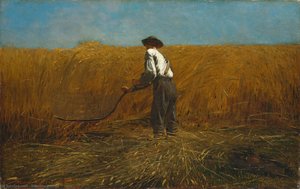
Náhled v interiéru
 Sdílet
 Sdílet
 Podrobnosti o díle
 Průvodce

 Stáhnout
 Podobné položky
 Rentgenové snímky
 Slideshow
 Otázky a odpovědi
 Statistiky
The Guide


 Zobrazit více
Giclée / Umělecký tisk
Giclée nebo plátěný tisk muzeální kvality s rychlou výrobou a širokou nabídkou povrchových úprav. ( Koupit ručně malovaný obraz Přepnout na digitální obraz)




P118B Kč10

P118H Kč10

P118W Kč10

P438Z Kč10

P508JH Kč12

P508YH Kč12

P805H Kč10

P805Z Kč10

P919BZ Kč10

P919G Kč10

P919XJ Kč10

P959ZH Kč10

P968JZ Kč12

W106C Kč8

W218G Kč10

W218JH Kč8

W218Y Kč10

W307PJ Kč10

W316G Kč10

W316PJ Kč8

W316Y Kč10

W398PJ Kč8

W4111J Kč10

W500HY Kč15

W500JH Kč15

W692G Kč12

W849H Kč8

W940BG Kč15

W953PJ Kč8




Vyberte si z našich přednastavených velikostí, které odpovídají původním proporcím díla.

Zadejte šířku a výšku, které potřebujete pro váš rám nebo stěnu. Tisk lze pouze oříznout, nikdy však nelze zvětšit obraz nad jeho původní rozměr, proto při výběru jiného formátu dochází ke ztrátě části obrazu. Před samotným tiskem vám zašleme digitální náhled k schválení. Obraz zobrazený na této stránce nenabízí skutečný výřez — ten uvidíte pouze v náhledu.
Celosvětové doručení () do 2 týdnů namísto standardních 4/5 týdnů. (11 listopad)

Zdarma celosvětová expresní doprava

Vysoce kvalitní lněné plátno

Kompletní pojištění přepravy

Záruka vrácení celního poplatku

Záruka věrného barevného souladu

100dení lhůta pro vrácení zboží (pouze při vadách výroby)

100% záruka vrácení peněz

Sleva při více objednávkách
 Skleněná varianta je dostupná pouze u rozměrů menších než 110 cm

The Guide
Giclée / Umělecký tisk
Rozměry reprodukce
-


Celková cena za vybrané možnosti reprodukcí
Kč 1371
A Moment of Reflection: The Essence of Winslow Homer’s “The Guide”
Winslow Homer's "The Guide," painted in 1895, isn’t merely a depiction of a lakeside scene; it’s an invitation to pause and contemplate the profound connection between humanity and the natural world. This watercolor masterpiece, housed within the collections of the Museum of Fine Arts, Houston, transcends simple landscape painting, offering a glimpse into Homer's masterful understanding of light, color, and the quiet dignity of everyday life. The scene unfolds with remarkable serenity: a man, seemingly lost in thought, reclines on the shore of a still lake, his canoe resting nearby – a testament to recent activity yet imbued with an atmosphere of profound rest. It’s a tableau that speaks volumes about the restorative power of nature and the human need for solitude.
(Image source: Artvee)
Watercolor’s Dance: Technique and Atmosphere
Homer's choice of watercolor as the medium is crucial to the painting’s evocative quality. The fluidity of the pigment allows for a remarkable subtlety in tone and color, creating an atmosphere that feels both luminous and deeply grounded. He employs a delicate layering technique, building up washes of color with incredible precision – almost translucent—to capture the shimmering reflections on the water's surface. Notice how he masterfully renders the sky, not as a solid block of blue, but as a series of overlapping gradations, conveying the subtle shifts in light and shadow throughout the day. The graphite underdrawing provides an underlying structure, subtly defining forms and adding depth to the composition. The loose, expressive brushstrokes contribute to the painting’s sense of immediacy and spontaneity, mirroring the feeling of being present within the scene.
A Composition of Contemplation: Form and Narrative
The arrangement of elements within “The Guide” is carefully orchestrated to draw the viewer's eye across the canvas. The placement of the canoe in the foreground anchors the composition, while the reclining figure acts as a focal point, inviting us to consider his posture, his expression (difficult to discern but radiating quiet contemplation), and his relationship to the vast expanse of water before him. The two figures in the background—one standing, one seated—add a layer of narrative without disrupting the painting’s overall sense of tranquility. They suggest a shared experience, perhaps a moment of respite after a day spent enjoying the lake's bounty. Homer skillfully uses negative space – the expanse of water and sky – to amplify the feeling of openness and freedom.
Historical Context: American Realism and the Pastoral Ideal
“The Guide” is firmly rooted in the late 19th-century American artistic landscape, a period marked by a shift away from academic traditions towards a more direct engagement with American life. Homer, like many of his contemporaries, sought to capture the essence of the American experience – its landscapes, its people, and its values. This painting reflects the growing interest in the “picturesque,” a romanticized vision of nature that emphasized beauty, harmony, and the restorative power of the outdoors. It’s important to note Homer's background as an illustrator; this early training instilled in him a keen eye for detail and composition, which he later applied to his painting with remarkable success. The work also resonates with the broader artistic movement known as American Regionalism, celebrating the unique character of the American landscape.
Bringing “The Guide” Home: Reproductions and Artistic Inspiration
ArtsDot offers meticulously crafted hand-painted reproductions of Winslow Homer’s "The Guide," allowing you to bring this iconic work into your own space. Whether you're an art collector, a design enthusiast, or simply someone seeking a touch of tranquility in your home décor, our reproductions capture the painting’s original beauty and atmosphere with exceptional fidelity. Explore our collection today and discover how “The Guide” can enrich your surroundings and inspire moments of reflection.
Otázky a odpovědi
Jakou převládající barvu v sobě nese dílo „The Guide“ od Winslow Homer?
„The Guide“ má převládající Ochre to Sepia tón.
V jaké technice je vytvořeno dílo „The Guide“ od Winslow Homer?
Technikou díla „The Guide“ od Winslow Homer je Watercolor. Reprodukce mají za cíl věrně zachytit vzhled této techniky.
K čemu se doporučuje reprodukce díla „The Guide“ od Winslow Homer?
Reprodukci díla „The Guide“ od Winslow Homer doporučujeme pro Statement. Toto doporučení vychází z tématu, nálady a barevnosti tohoto díla.
Podobná díla


Související články

Ephemeral Visions: Exploring the Artistic Legacy & Contemporary Practice of Watercolor Painting
Explore the captivating world of watercolor painting! Discover its rich history, essential techniques, influential artists & collecting tips. A comprehensive guide for art enthusiasts from ArtsDot.

10 legendárních akvarelů, které změnily svět umění | ArtsDot
Objevte 10 legendárních akvarelů od Turner, Monet a dalších mistrů! Ponořte se do historie umění a inspirujte se pro váš interiér. Kvalitní reprodukce na ArtsDot.com.

Winslow Homer: 25 mistrovských děl amerického realismu | ArtsDot.com
Prozkoumejte 25 ikonických děl Winslow Homera – mistra amerického realismu. Obdivujte jeho mořské scény, akvarely a olejomalby plné emocí. Reprodukce obrazů pro váš interiér na ArtsDot.com.

Top 10 děl amerického realismu: Umění, které odráží skutečný život | ArtsDot
Prozkoumejte 10 ikonických děl amerického realismu od Hopperů po Wyetha. Obrazy plné života, emocí a autenticity. Najděte inspiraci pro váš interiér s uměleckými reprodukcemi nejvyšší kvality na ArtsDot.com
Ephemeral Visions: Exploring the Artistic Legacy & Nuances of Watercolor Painting
Explore the captivating world of watercolor painting! Discover its rich history, essential techniques, influential artists & collecting tips from art experts. A comprehensive guide for enthusiasts.