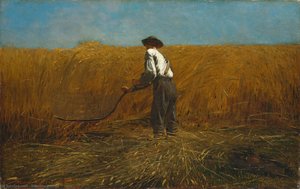
Náhled v interiéru
 Sdílet
 Sdílet
 Podrobnosti o díle
 Průvodce

 Stáhnout
 Podobné položky
 Rentgenové snímky
 Slideshow
 Otázky a odpovědi
 Statistiky
Sheep

- 9.0 x 22.0 cm


 Zobrazit více
Giclée / Umělecký tisk
Giclée nebo plátěný tisk muzeální kvality s rychlou výrobou a širokou nabídkou povrchových úprav. ( Koupit ručně malovaný obraz Přepnout na digitální obraz)




P118B Kč10

P118H Kč10

P118W Kč10

P438Z Kč10

P508JH Kč12

P508YH Kč12

P805H Kč10

P805Z Kč10

P919BZ Kč10

P919G Kč10

P919XJ Kč10

P959ZH Kč10

P968JZ Kč12

W106C Kč8

W218G Kč10

W218JH Kč8

W218Y Kč10

W307PJ Kč10

W316G Kč10

W316PJ Kč8

W316Y Kč10

W398PJ Kč8

W4111J Kč10

W500HY Kč15

W500JH Kč15

W692G Kč12

W849H Kč8

W940BG Kč15

W953PJ Kč8




Vyberte si z našich přednastavených velikostí, které odpovídají původním proporcím díla.

Zadejte šířku a výšku, které potřebujete pro váš rám nebo stěnu. Tisk lze pouze oříznout, nikdy však nelze zvětšit obraz nad jeho původní rozměr, proto při výběru jiného formátu dochází ke ztrátě části obrazu. Před samotným tiskem vám zašleme digitální náhled k schválení. Obraz zobrazený na této stránce nenabízí skutečný výřez — ten uvidíte pouze v náhledu.
Celosvětové doručení () do 2 týdnů namísto standardních 4/5 týdnů. (16 listopad)

Zdarma celosvětová expresní doprava

Vysoce kvalitní lněné plátno

Kompletní pojištění přepravy

Záruka vrácení celního poplatku

Záruka věrného barevného souladu

100dení lhůta pro vrácení zboží (pouze při vadách výroby)

100% záruka vrácení peněz

Sleva při více objednávkách
 Skleněná varianta je dostupná pouze u rozměrů menších než 110 cm

Sheep
Giclée / Umělecký tisk
Rozměry reprodukce
-


Celková cena za vybrané možnosti reprodukcí
Kč 1366
A Moment Frozen in Time: The Quiet Grandeur of Winslow Homer’s ‘Sheep’
In the vast tapestry of American Realism, few works capture the profound stillness of rural existence as poignantly as Winslow Homer’s 1878 masterpiece, “Sheep.” This is not merely a depiction of livestock grazing in a meadow; it is a distilled essence of the American spirit—a quiet observation of pastoral life imbued with an understated, almost monumental grandeur. Through his masterful command of tonal shading and textural detail, Homer invites the viewer into a world where time seems to decelerate, allowing for a deep, meditative connection with the landscape. Executed with a delicate yet powerful hand in dark graphite and white gouache on vat-dyed wove paper, the piece transcends its simple subject matter to become a window into the soul of late 19th-century New England.
The composition presents a flock of sheep scattered across a sunlit meadow, their forms rendered with such precision that one can almost feel the weight of their presence against the earth. Homer deliberately eschewed the grand, sweeping historical narratives favored by many of his contemporaries, choosing instead to find the extraordinary within the ordinary. By focusing on these everyday scenes, he established a visual language rooted in authenticity and truth. The technique is nothing short of remarkable; the graphite underdrawing provides a sturdy, structural foundation, while the application of white gouache lends a luminous quality to the composition. This interplay of light and shadow creates a breathtaking illusion of three-dimensionality, drawing the eye through the depth of the field and making the sheep appear as tangible, living entities standing upon the textured ground.
Symbolism and the Resonance of the Pastoral
Beyond its immediate visual charm, “Sheep” carries a profound symbolic weight that resonates with the themes of the Romantic movement. Throughout art history, sheep have served as enduring symbols of innocence, simplicity, and pastoral tranquility. In this work, Homer utilizes these archetypes to evoke a sense of peace and stability, offering a serene counterpoint to the burgeoning industrialization of the era. The painting captures a quintessential image of rural life that feels both timeless and deeply rooted in a specific historical moment. There is a wistful beauty in the way the light touches the fleece, suggesting a world of quiet dignity and unhurried rhythms.
For the discerning collector or interior designer, this artwork offers more than just aesthetic pleasure; it provides an emotional anchor. The monochromatic palette, characterized by its classic and timeless appearance, allows the piece to integrate seamlessly into a variety of sophisticated environments. Whether placed in a sun-drenched gallery or a moody, contemporary study, the high contrast and masterful shading of Homer’s work command attention without overwhelming the space. It is an invitation to pause, to breathe, and to rediscover the beauty found in the most humble corners of the natural world.
Otázky a odpovědi
Je „Sheep“ od Winslow Homer známým uměleckým dílem?
Dílo „Sheep“ od Winslow Homer má úroveň popularity Recognized. Tato klasifikace odráží, jak široce je toto dílo známé.
V jakém věku vytvořil/a Winslow Homer dílo „Sheep"?
Při vzniku díla „Sheep“ v roce 1878 bylo umělcům Winslow Homer (narozenému/é v 1836) 42 let.
Jaké místo si v dějinách umění zaujímá „Sheep“ od Winslow Homer?
Dílo „Sheep“ od Winslow Homer patří k období 19th Century a směru American Realism. Tyto prvky společně zasazují dílo do historie umění.
Podobná díla
![Indian Tobacco Shop Sign [reverse, Indian Facing Right] — Winslow Homer, Contemporary Realism](/media/artworks/images-thumb/74/22/7422432cafc295265ef3b7f7fa62d35d.jpg)


Související články

Winslow Homer: 25 mistrovských děl amerického realismu | ArtsDot.com
Prozkoumejte 25 ikonických děl Winslow Homera – mistra amerického realismu. Obdivujte jeho mořské scény, akvarely a olejomalby plné emocí. Reprodukce obrazů pro váš interiér na ArtsDot.com.

Idyllic Visions: Exploring Pastoral Scenes in Art History – From Arcadia to Modern Interpretations
Explore the captivating history of pastoral art, from classical Arcadia to 19th-century masterpieces. Discover key artists like Millet & Cole and find serene landscape paintings for your home at ArtsDot.

Idyllic Visions: Exploring the Pastoral Tradition in Western Art – Themes, Techniques & Enduring Appeal
Explore the rich history of pastoral art from classical Arcadia to contemporary interpretations. Discover key artists, themes & collecting tips at ArtsDot.

19. století v umění: Top 10 děl a jejich příběhy | ArtsDot
Prozkoumejte 10 ikonických děl 19. století – od romantismu po impresionismus! Obrazy Courbeta, Moneta a dalších mistrů s příběhy a technikami. Najděte inspiraci pro váš interiér a kvalitní reprodukce na ArtsDot.com.

Top 10 děl amerického realismu: Umění, které odráží skutečný život | ArtsDot
Prozkoumejte 10 ikonických děl amerického realismu od Hopperů po Wyetha. Obrazy plné života, emocí a autenticity. Najděte inspiraci pro váš interiér s uměleckými reprodukcemi nejvyšší kvality na ArtsDot.com