Náhled v interiéru
 Sdílet
 Sdílet
 Podrobnosti o díle
 Průvodce

 Stáhnout
 Podobné položky
 Rentgenové snímky
 Slideshow
 Otázky a odpovědi
 Statistiky
Hound and Hunter


 Zobrazit více
Giclée / Umělecký tisk
Giclée nebo plátěný tisk muzeální kvality s rychlou výrobou a širokou nabídkou povrchových úprav. ( Koupit ručně malovaný obraz Přepnout na digitální obraz)




P118B Kč10

P118H Kč10

P118W Kč10

P438Z Kč10

P508JH Kč12

P508YH Kč12

P805H Kč10

P805Z Kč10

P919BZ Kč10

P919G Kč10

P919XJ Kč10

P959ZH Kč10

P968JZ Kč12

W106C Kč8

W218G Kč10

W218JH Kč8

W218Y Kč10

W307PJ Kč10

W316G Kč10

W316PJ Kč8

W316Y Kč10

W398PJ Kč8

W4111J Kč10

W500HY Kč15

W500JH Kč15

W692G Kč12

W849H Kč8

W940BG Kč15

W953PJ Kč8




Vyberte si z našich přednastavených velikostí, které odpovídají původním proporcím díla.

Zadejte šířku a výšku, které potřebujete pro váš rám nebo stěnu. Tisk lze pouze oříznout, nikdy však nelze zvětšit obraz nad jeho původní rozměr, proto při výběru jiného formátu dochází ke ztrátě části obrazu. Před samotným tiskem vám zašleme digitální náhled k schválení. Obraz zobrazený na této stránce nenabízí skutečný výřez — ten uvidíte pouze v náhledu.
Celosvětové doručení () do 2 týdnů namísto standardních 4/5 týdnů. (11 listopad)

Zdarma celosvětová expresní doprava

Vysoce kvalitní lněné plátno

Kompletní pojištění přepravy

Záruka vrácení celního poplatku

Záruka věrného barevného souladu

100dení lhůta pro vrácení zboží (pouze při vadách výroby)

100% záruka vrácení peněz

Sleva při více objednávkách
 Skleněná varianta je dostupná pouze u rozměrů menších než 110 cm

Hound and Hunter
Giclée / Umělecký tisk
Rozměry reprodukce
-


Celková cena za vybrané možnosti reprodukcí
Kč 1371
The Painting
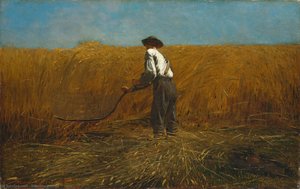
"CITE">Winslow Homer's "Hound and Hunter" is a captivating oil on canvas painting created in 1892. The artwork is currently housed at the National Gallery of Art in Washington, United States.Composition and Details
The painting depicts a serene moment between a man and his dog as they enjoy their time together in a boat. The scene is set against a calm background, with the man rowing the boat while holding onto a rope attached to it. Two birds are visible in the image, one near the top left corner and another towards the bottom right side. The boat itself has an oar on each end, with one located at the front and the other at the back. The man appears to be wearing a hat, which is situated close to the center of the scene.Artistic Significance
"CITE">Winslow Homer was a prominent American artist known for his realistic and detailed depictions of everyday life. His works often captured moments of tranquility and connection between humans and nature. "Hound and Hunter" is no exception, as it beautifully portrays the bond between the man and his dog in a peaceful setting.Exhibition History
"CITE">Winslow Homer's paintings were exhibited at various prestigious events, including the 1893 World's Columbian Exposition in Chicago. This event showcased modern American painting and featured works by hundreds of American painters. For more information on this exposition, visit List of American painters exhibited at the 1893 World's Columbian Exposition.Other Works by Winslow Homer
"CITE">Winslow Homer created many notable works, including "High Cliff, Coast of Maine", which is also part of the collection at the National Gallery of Art. For more information on his paintings and to explore other artworks by him, visit Winslow Homer: High Cliff, Coast of Maine at ArtsDot.Conclusion
"CITE">Winslow Homer's "Hound and Hunter" is a beautiful representation of the serenity found in nature. The painting captures a moment of connection between a man and his dog, set against a peaceful backdrop. As an expert in art and salesman at ArtsDot, I highly recommend exploring more ofFor those interested in owning a handmade oil painting reproduction of "Hound and Hunter," visit Winslow Homer: Hound and Hunter at ArtsDot.
Otázky a odpovědi
Kde mohu najít umělecká díla podobná dílu „Hound and Hunter“ od Winslow Homer?
Podobná díla k "Hound and Hunter" naleznete na stránce Podobná díla tohoto díla.
Kdo vytvořil dílo "Hound and Hunter" a v jakém stylu je zpracováno?
Dílo "Hound and Hunter" vytvořil/a Winslow Homer v rámci stylu Contemporary Realism. Autor/ka i toto umělecké směřování definují tradici tohoto díla.
Co zachycuje dílo „Hound and Hunter“ od Winslow Homer?
Motivy díla „Hound and Hunter“ jsou hunting, hunting.
Podobná díla


Související články

Winslow Homer: 25 mistrovských děl amerického realismu | ArtsDot.com
Prozkoumejte 25 ikonických děl Winslow Homera – mistra amerického realismu. Obdivujte jeho mořské scény, akvarely a olejomalby plné emocí. Reprodukce obrazů pro váš interiér na ArtsDot.com.

Top 10 děl amerického realismu: Umění, které odráží skutečný život | ArtsDot
Prozkoumejte 10 ikonických děl amerického realismu od Hopperů po Wyetha. Obrazy plné života, emocí a autenticity. Najděte inspiraci pro váš interiér s uměleckými reprodukcemi nejvyšší kvality na ArtsDot.com

19. století v umění: Top 10 děl a jejich příběhy | ArtsDot
Prozkoumejte 10 ikonických děl 19. století – od romantismu po impresionismus! Obrazy Courbeta, Moneta a dalších mistrů s příběhy a technikami. Najděte inspiraci pro váš interiér a kvalitní reprodukce na ArtsDot.com.

Lodě v umění: Top 10 děl zkoumajících námořní téma | ArtsDot
Prozkoumejte 10 ikonických děl s tématem lodí! Obrazy od Moneta, Maneta a dalších mistrů. Historie umění, techniky a inspirace pro váš interiér. Reprodukce nejvyšší kvality na ArtsDot.com

The Weight of Water: Winslow Homer and the Disciplined Eye of American Realism
Explore the technical mastery of Winslow Homer and American Realism. Discover the true power of the maritime master today.