


 Náhled
 Sdílet
 Sdílet
 Podrobnosti o díle

 Stáhnout
 Podobné položky
 Rentgenové snímky
 Slideshow
John Trumbull

 Zobrazit více
Ručně malovaná olejová reprodukce
Ručně malovaná olejná barva na plátně ve vašem zvoleném rozměru i s rámem, vyrobená našimi umělci na zakázku. ( Koupit tisk Koupit obrázek)




































Vyberte si z našich přednastavených velikostí, které odpovídají původním proporcím díla.

Můžete zadat vlastní rozměry pro konkrétní rám nebo prostor. Pokud se vámi vybraná velikost neshoduje s proporcemi původního obrazu, dílo buď ořízneme, nebo jej doplníme ručně malovanými prvky. Před zahájením výroby vám bude zaslán digitální náhled ke schválení.
Upozorňujeme, že náhled na obrazovce neodpovídá skutečnému ořezu ani rozšíření. Pouze digitální náhled přesně zobrazí finální kompozici.
Ačkoliv je možné zvolit vlastní velikost, pro zachování původních proporcí doporučujeme vybrat rozměr z předdefinovaného seznamu.
Po přijetí objednávky vám tým ArtsDot.com zašle e-mail s pokyny a poskytne náhledovou verzi.
Celosvětová doprava () za 3–4 týdny namísto standardních 5 týdnů. (1 září). Bez kompromisů v kvalitě.

Zdarma celosvětová expresní doprava

Vysoce kvalitní lněné plátno

Kompletní přepravní pojištění

Záruka vrácení celního poplatku

Záruka přesného barevného shodu

60denní lhůta pro vrácení zboží (pouze při vadách výroby)

100% garance vrácení peněz

Sleva při hromadné objednávce
 Skleněná varianta je dostupná pouze u rozměrů menších než 110 cm

John Trumbull
Technika reprodukce
Rozměry reprodukce
-


Celková cena za výběr
$ 263
Podobná umělecká díla


Biografie umělce
William Smith Jewett: A Pioneer of California Landscape Painting
William Smith Jewett (1812 – 1873) stands as a remarkable figure in the annals of American art, particularly celebrated for his evocative depictions of California’s burgeoning frontier landscape during the mid-nineteenth century. Born in Dover, Massachusetts, Jewett possessed an unwavering passion for observation and meticulous detail—qualities that would define his artistic approach and solidify his legacy as one of the era's foremost watercolorists. While biographical information remains somewhat sparse compared to contemporaries like Asher B. Durand or Frederic Church, his contribution to capturing the spirit of California’s transformation is undeniable.- Early Life & Education: Jewett received a solid grounding in classical art principles at Yale University, where he studied under Thomas Beale and Samuel Huntington Pickering. This academic foundation instilled in him a disciplined eye for form and composition—elements that would permeate his subsequent artistic endeavors.
- Move to California: Driven by an adventurous spirit and captivated by the allure of the West Coast’s unexplored wilderness, Jewett relocated to Sacramento County, California, in 1853. He quickly established himself as a respected artist and teacher, fostering a burgeoning watercolor school that attracted students eager to embrace the Californian landscape aesthetic.
- Artistic Style & Technique: Jewett's distinctive style leaned heavily toward Romanticism, characterized by luminous color palettes and expressive brushwork—techniques honed through extensive study of European masters like Claude Lorrain and Nicolas Poussin. He meticulously rendered geological formations, vegetation, and atmospheric conditions with astonishing accuracy, striving to convey not merely visual representation but also the emotional resonance of the Californian wilderness.
Notable Works & Landscapes of California
Jewett’s artistic output focused primarily on capturing the grandeur of California's landscapes—a subject that resonated deeply with his generation and reflected the optimistic vision of westward expansion. Among his most celebrated paintings are “A View of Sutter’s Mill and Culloma Valley,” a breathtaking watercolor commemorating the pivotal moment when James Marshall discovered gold in Sutter’s Creek, initiating the Gold Rush frenzy. This artwork exemplifies Jewett's masterful blending of scientific observation with artistic sensitivity—a hallmark of his oeuvre. Similarly impressive is "The Yosemite Valley," showcasing the majestic beauty of Yosemite National Park and demonstrating Jewett’s ability to convey both topographical precision and profound emotional impact. His depictions of Sutters Mill are considered among the most accurate representations of this historic site.- “A View of Sutter’s Mill and Culloma Valley”: This monumental watercolor captures the essence of California's Gold Rush era, portraying the valley with remarkable detail—highlighting geological formations and capturing the misty atmosphere characteristic of the region.
- “The Yosemite Valley”: Jewett’s portrayal of Yosemite embodies Romantic idealism, conveying the sublime grandeur of the park while subtly hinting at its spiritual significance.
Influence & Legacy
Jewett's artistic endeavors profoundly impacted the development of Californian landscape painting and contributed to establishing Yosemite National Park as a symbol of American wilderness preservation. His meticulous renderings served as inspiration for subsequent artists—including Frederic Church—who sought to emulate his stylistic prowess and convey similar emotional depth. Furthermore, Jewett’s dedication to watercolor technique—particularly his masterful use of glazing—became influential within the broader artistic community. Though he died prematurely in 1873, William Smith Jewett's enduring contribution to American art ensures that his landscapes continue to inspire awe and admiration generations later. His work remains a testament to the power of observation, artistry, and the transformative beauty of the natural world.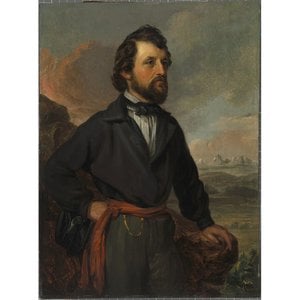
william smith jewett
1812 - 1873 , United States of America
Rychlé fakta
- Artistic Movement Or Style: Romantic Landscape Painting
- Artists Or Movements Influenced By This Artist: ['Romanticism']
- Artists Who Influenced This Artist: ['Hudson River School']
- Date Of Birth: 1812
- Full Name: William Smith Jewett
- Nationality: American
- Notable Artworks:
- A view of Sutter’s Mill and Culloma Valley
- John Trumbull
- Portrait of a Man
- Place Of Birth: South Dover, United States
Související články

10 legendárních гравюр, které změnily umění navždy | ArtsDot
Prozkoumejte 10 legendárních гравюр od Rembrandta, Dürera a Goyi. Objevte příběhy mistrů, techniky rytiny a umělecké dědictví baroka i renesance. Reprodukce obrazů pro váš interiér na ArtsDot.com

Deset mistrovských děl neoklasicismu: Umění, které definovalo éru | ArtsDot.cz
Prozkoumejte 10 ikonických děl neoklasicismu od mistrů jako David, Ingres a Canova. Objevte příběhy za uměleckými technikami a nadčasovou krásou. Reprodukce obrazů nejvyšší kvality na ArtsDot.cz – inspirace pro váš interiér!

Engraving: A Historical Survey of Technique, Artistic Expression & Enduring Legacy
Explore the rich history of engraving with ArtsDot. Discover techniques, iconic artists like Dürer & Callot, collecting tips, and expert guidance for preserving your art investment. Learn about intaglio printing & more!

19. století v umění: Top 10 děl a jejich příběhy | ArtsDot
Prozkoumejte 10 ikonických děl 19. století – od romantismu po impresionismus! Obrazy Courbeta, Moneta a dalších mistrů s příběhy a technikami. Najděte inspiraci pro váš interiér a kvalitní reprodukce na ArtsDot.com.

Reflections of an Era: Identity & Social Commentary in 19th-Century Portraiture
Explore the captivating world of 19th-century portraiture! Discover key artists, movements like Realism & Impressionism, and the powerful social commentary embedded within these iconic artworks. Expert insights at ArtsDot.

