


 Zobrazit v interiéru
 Odeslat
 Sdílet
 Podrobnosti
 Průvodce

 Stáhnout obrázek
 Podobné kousky
 Rentgenové snímky
 Slideshow
 Statistiky
Petroglyfská loď


 Přečíst si více
Ručně malovaná olejová reprodukce
Ručně malované olejné plátno v libovolném rozměru i s rámem, vyrobené našimi umělci na zakázku. ( Přepnout na tiskové verze Přepnout na digitální verzi obrazu)




P118B Kč10

P118H Kč10

P118W Kč10

P438Z Kč10

P508JH Kč12

P508YH Kč12

P805H Kč10

P805Z Kč10

P919BZ Kč10

P919G Kč10

P919XJ Kč10

P959ZH Kč10

P968JZ Kč12

W106C Kč8

W218G Kč10

W218JH Kč8

W218Y Kč10

W307PJ Kč10

W316G Kč10

W316PJ Kč8

W316Y Kč10

W398PJ Kč8

W4111J Kč10

W500HY Kč15

W500JH Kč15

W692G Kč12

W849H Kč8

W940BG Kč15

W953PJ Kč8




Vyberte si z našich přednastavených velikostí, které odpovídají původním proporcím díla.

Zadejte šířku a výšku, které potřebujete pro váš rám nebo stěnu. Protože se jedná o ruční malbu, při výběru jiného formátu může umělec kolem obrazu domalovat o něco více, nebo jej mírně oříznout — rozhodnete si vy. Před zahájením malby vám zašleme digitální náhled ke schválení. Obraz zobrazený na této stránce neodpovídá skutečnému výsledku — pouze digitální náhled jej zobrazuje.
Po přijetí objednávky vám tým ArtsDot.com zašle e-mail s pokyny a poskytne náhledovou verzi.
Celosvětová doprava () za 3–4 týdny namísto standardních 5 týdnů. (23 říjen). Bez kompromisů v kvalitě.

Zdarma celosvětová expresní doprava

Vysoce kvalitní lněné plátno

Úplné pojištění přepravy

Záruka vrácení celního poplatku

Záruka věrného barevného shodu

100dení lhůta pro vrácení zboží (pouze při vadách výroby)

100% garance vrácení peněz

Sleva při více objednávkách
 Skleněná varianta je dostupná pouze u rozměrů menších než 110 cm

Petroglyfská loď
Technika provedení
Velikost reprodukce
-


Celková cena
Kč 5641
Petroglyph Vessel – A Celebration of Ancient Echoes
Výstava keramické vázy zdobené stylizovaným vzorem připomínajícím petroglyfy představuje fascinující propojení minulosti a současnosti. Tento dílo umění, vytvořené roku 1987 českým الفنانem Williamem Morrisem, není jen estetickým zážitkem; je to prohlubování porozumění estetické filozofii jednoho z nejvýznamnějších představitelů Arts and Crafts hnutí. Jeho tvorba byla ovlivněna láskou k přírodě a romantickým vyprávěním, což se odráží v jeho dílech jako celku. Morrisův život byl poznamenán bohatstvím rodinným i intelektuálním – vzdělání získal na Oxfordské univerzitě, kde však původně zamířil k církevní kariéře. Nakonec však zvolil cestu umění, což mu umožnilo vyjadřovat své přesvědčení o hodnotách krásy a řádu v kontrastu s rychlým průchodem průmyslového světa. Jeho estetická filozofie byla založena na víře, že příroda a středověká kultura nabízejí vyšší hodnoty než moderní urbanizace – princip, který se projevil ve všech jeho dílech. Technika tvorby vázy spočívala v pečlivém ručním malování nebo glazování keramické hmoty. Použité materiály zahrnovaly kvalitní keramiku jako základní stavební materiál a pigmenty či glazy pro vytvoření dekorativních vzorů. Výsledkem je nádoba, která vyzařuje atmosféru elegance a nostalgie – připomínající estetiku doby romantismu a středověku. Glazování bylo provedeno s důrazem na detailní zpracování povrchu, což dodává váži zvláštní charakteristiky. Styl díla jednoznačně odkazuje k Arts and Crafts hnutí, které William Morris založil jako reakci na negativní dopady průmyslové revoluce. Inspirací byly především estetické principy Williama Morrisse – jeho přesvědčení o důležitosti krásného řádu a harmonie v umění i životě. Tento filozofický základ se projevil nejen ve výběru materiálů, ale také v samotném návrhu vázy – jednoduché linie kombinované s bohatými dekorativními prvky vytvářejí působivý kontrast mezi funkcionalitou a estetickou hodnotou. Výsledkem je váza, která vyjadřuje nejen krásu materiálu, ale i filozofické přesvědčení svého autora. Její dekorativní vzor připomíná petroglyfy – znaky vytvořené dávnými kulturami pomocí rytí a peckování kamenů – což evokuje pocit spojení s minulostí a vzdálenými zeměmi. Váza působí klidně, vyváženě a zároveň vypráví příběh o umění, řemeslné práci a lásce k přírodě – hodnotám, které jsou stále aktuální i dnes. Její estetická síla spočívá právě v této schopnosti přenášet atmosféru minulosti do současného prostoru.Otázky a odpovědi
Jaký je doporučený formát a orientace pro tisk díla "Petroglyfská loď"?
Pro tisknutí díla „Petroglyfská loď“ od Vilém Mráz se doporučuje velikost Velká v orientaci Portrétní orientace.
Kde si mohu koupit digitální kopii díla „Petroglyfská loď“ od Vilém Mráz?
Digitální obraz díla „Petroglyfská loď“ od Vilém Mráz si můžete zakoupit na jeho stránce pro digitální objednávky Digitální obraz: stažení digitálního obrazu ve vysokém rozlišení.
Jak se v díle "Petroglyfská loď" propojují médium a pohyb?
„Petroglyfská loď“ je vytvořeno v technice Akryl na plátně v rámci směru Arts and Crafts.
Související díla


Biografie umělce
William Morris (1834–1896): A Life Rooted in Nature and Romance
William Morris, born on March 24, 1834, in Walthamstow, Essex, emerged from a comfortably affluent middle-class background—a circumstance that afforded him the freedom to pursue passions rather than professions. His father’s success as a financier provided not only security but also an environment where aesthetic sensibilities could flourish. Morris's childhood was deeply shaped by the English countryside surrounding his home and a fascination with tales of medieval chivalry, laying the groundwork for a lifelong devotion to both natural beauty and romantic narratives. These early influences weren’t merely sentimental; they formed the core of his artistic philosophy. He wasn’t simply *inspired* by nature or the past—he believed in their inherent moral and aesthetic superiority to the rapidly industrializing present. His formal education at Oxford University initially steered him toward a clerical path, but it was within the vibrant intellectual circles of the university that his true calling began to take shape. He joined “The Set,” a group of students who shared an intense interest in art, literature, and medieval history, forging friendships—most notably with Edward Burne-Jones—that would profoundly impact his artistic trajectory. It was during this period that he encountered the writings of John Ruskin, whose critique of industrial society and advocacy for craftsmanship resonated deeply with Morris’s burgeoning beliefs.The Arts & Crafts Revolution
Following Oxford, a brief foray into architecture quickly gave way to painting, as Morris collaborated with Dante Gabriel Rossetti on mural projects. However, it was the founding of Morris, Marshall, Faulkner & Co. in 1861—later known simply as Morris & Co.—that marked a pivotal moment, not just in his career but in the history of design. This wasn’t merely a business venture; it was an attempt to create a new way of life, one where art permeated every aspect of daily existence and craftsmanship was valued above all else. Alongside Burne-Jones, Rossetti, Philip Webb, and others, Morris sought to revive traditional techniques and produce beautiful, well-made objects for the home. The firm’s early work was profoundly influenced by Red House, a home Morris commissioned from Webb—a structure that embodied the Arts & Crafts ideal of creating a unified aesthetic environment through handcrafted furnishings and decoration. Morris became a leading voice in the burgeoning Arts & Crafts movement, championing handmade craftsmanship as an antidote to the perceived dehumanizing effects of mass production. He believed passionately that art should be accessible to all, not just the wealthy elite, and that it should be integrated into everyday life—a radical notion at a time when design was often seen as separate from function. This conviction extended beyond mere aesthetics; it was rooted in a deep social conscience and a desire to improve the lives of working people.A Legacy Woven in Textiles, Poetry, and Print
While Morris & Co. encompassed a wide range of decorative arts—furniture, stained glass, carpets—he is perhaps most celebrated for his textile designs. These weren’t simply patterns; they were intricate narratives woven with flowing floral motifs, lush foliage, and rich, evocative colors. His wallpapers, in particular, revolutionized interior design, moving away from the sterile imitations prevalent during the Victorian era toward nature-inspired creations that were both beautiful and functional. He didn't just *design* these patterns; he immersed himself in the process of their creation, understanding the nuances of dyeing techniques and weaving methods. Beyond textiles, Morris revived the art of tapestry making, producing large-scale narrative tapestries based on medieval romances and Arthurian legends—works that showcased his skill as a storyteller and his deep connection to the past. His creative energy wasn’t confined to the visual arts; he was also a prolific writer, composing poetry, novels, and translations. *The Earthly Paradise* (1868–1870) and *News from Nowhere* (1890) are testaments to his literary talent and his utopian vision of a society rooted in craftsmanship and social justice.Socialism, Conservation, and Enduring Influence
Morris’s commitment extended beyond aesthetics into the realm of social activism. He became increasingly involved in socialist politics, advocating for workers' rights and social reform. He believed that a truly beautiful society couldn’t exist without economic equality and justice—a conviction that informed both his art and his political writings. This wasn’t abstract theorizing; he actively supported various socialist causes and used his platform to raise awareness about the plight of working people. Furthermore, Morris was a pioneer in conservation, recognizing the importance of preserving historic buildings and landscapes for future generations. He understood that these structures weren't merely relics of the past but vital links to cultural identity and artistic inspiration. The William Morris Gallery in Walthamstow stands as a testament to his enduring legacy, showcasing his work and providing insights into his life and ideas. His vision of a world where beauty and utility are intertwined—and where art is accessible to all—remains as relevant today as it was in the 19th century. He wasn’t just an artist; he was a visionary who sought to transform society through the power of design, craftsmanship, and social justice.
Vilém Mráz
1834 - 1896 , Spojené království
Rychlé informace
- Artistic Movement Or Style: Arts & Crafts
- Artists Or Movements Influenced By This Artist: ['Arts & Crafts movement']
- Artists Who Influenced This Artist:
- John Ruskin
- Edward Burne-Jones
- Date Of Birth: 24. března 1834 Walthamstow u Londýna
- Date Of Death: 3. října 1896 Londýn
- Full Name: William Morris
- Nationality: Anglický
- Notable Artworks:
- Sun and moon angels
- Oak leaves in All Saints
- Judas Maccabaeus
- Place Of Birth (City And Country): Walthamstow, UK
Související články

The Alchemy of Clay: A Collector's Guide to the Mastery, Texture, and Timeless Form of Ceramic Art
Discover the profound beauty of ceramic art. Our expert guide explores the alchemy of clay, texture, and glaze, offering collectors deep insights into mastering earth and fire to create timeless, sculptural masterpieces for any curated collection.
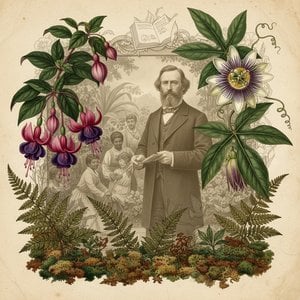
William Salter: A Life Immersed in Colour – Victorian Botanical Art & Social Vision
Explore the life & art of William Salter (1804-1875), a Victorian master renowned for his botanical illustrations and striking portraits. Discover his social vision & legacy at ArtsDot.

Penry Williams: Evoking Welsh Nostalgia Through Impressionistic Landscapes
Explore the captivating world of Penry Williams (1802-1885), a Welsh artist renowned for his evocative Impressionistic landscapes and scenes of Italy. Discover his life, style & legacy with ArtsDot.

Christopher Williams: Deconstructing Representation & Materiality in Contemporary Art
Explore the groundbreaking work of Christopher Williams, a pivotal figure in contemporary art. This analysis delves into his deconstruction of representation, materiality, and institutional critique – essential reading for serious collectors.

Sir William Blake Richmond: A Visionary of Aestheticism & Symbolism
Explore the life & art of Sir William Blake Richmond, a pivotal figure bridging Pre-Raphaelitism and Aestheticism. Discover his stunning portraits, mosaics at St Paul's Cathedral, and lasting influence on Victorian art.


