
- Domů

- Reprodukce olejomalby
- Vilém Blake
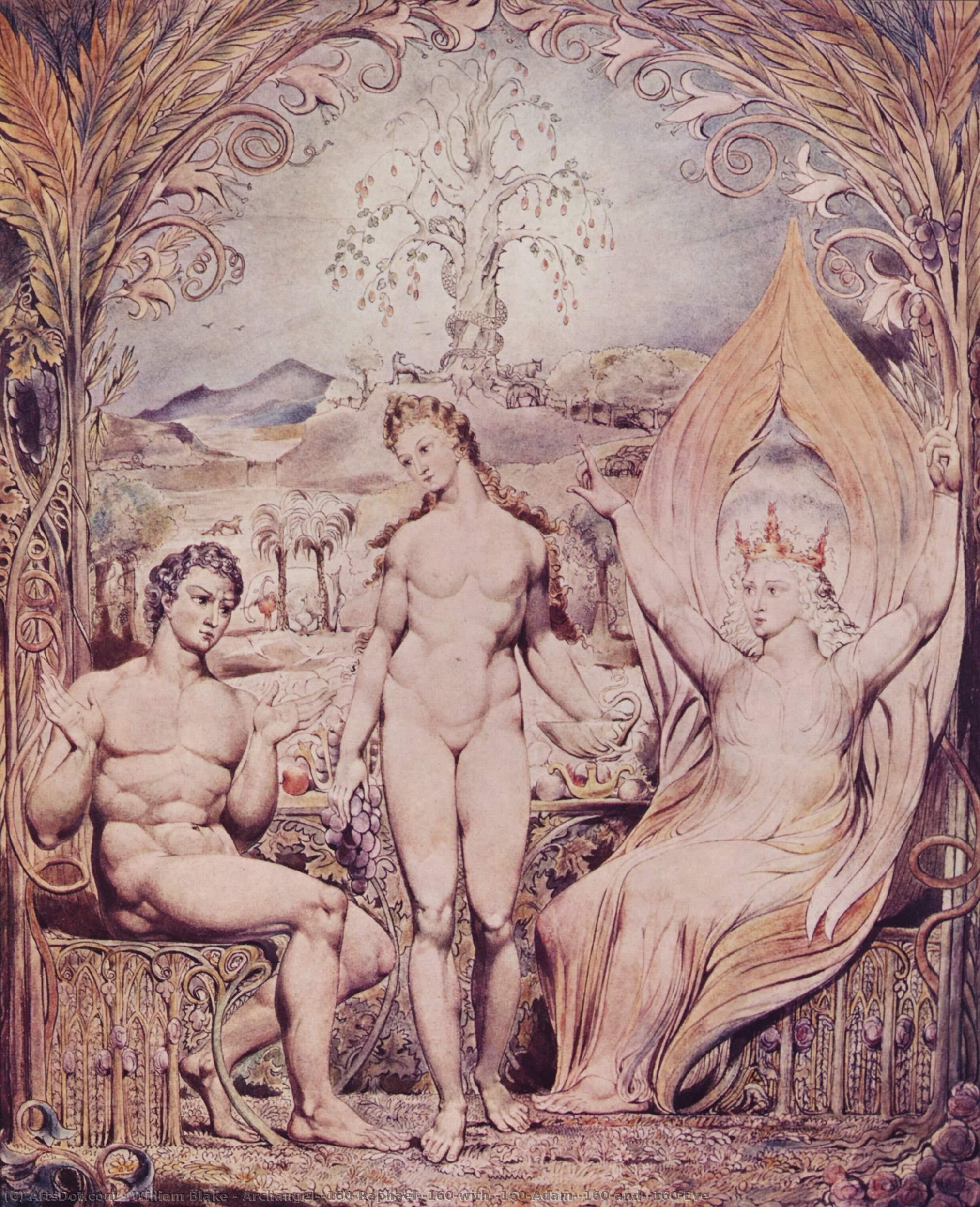
- Archangel Raphael with Adam and Eve
 Koupit tisk Koupit digitální obrázek
 Sdílet
 Sdílet
 Details
 Přidat do oblíbených

 Stáhnout
 Podobné položky
 X-Ray
X-Ray
 Slideshow
Archangel Raphael with Adam and Eve
 Acrylic On Canvas
- WallArt
- Romanticism
 1808
1808 50.0 x 40.0 cm
Ručně malovaná olejová reprodukce
Ručně malovaná olejná barva na plátně ve vašem zvoleném rozměru i s rámem, vyrobená našimi umělci na zakázku.




P118B $10

P118H $10

P118W $10

P438Z $10

P508JH $12

P508YH $12

P805H $10

P805Z $10

P919BZ $10

P919G $10

P919XJ $10

P959ZH $10

P968JZ $12

W106C $8

W218G $10

W218JH $8

W218Y $10

W307PJ $10

W316G $10

W316PJ $8

W316Y $10

W398PJ $8

W4111J $10

W500HY $15

W500JH $15

W692G $12

W849H $8

W940BG $15

W953PJ $8




 Více informací
Vyberte si z našich přednastavených velikostí, které odpovídají původním proporcím díla.

Můžete zadat vlastní rozměry pro konkrétní rám nebo prostor. Pokud se vámi vybraná velikost neshoduje s proporcemi původního obrazu, dílo buď ořízneme, nebo jej doplníme ručně malovanými prvky. Před zahájením výroby vám bude zaslán digitální náhled ke schválení.
Upozorňujeme, že náhled na obrazovce neodpovídá skutečnému ořezu ani rozšíření. Pouze digitální náhled přesně zobrazí finální kompozici.
Ačkoliv je možné zvolit vlastní velikost, pro zachování původních proporcí doporučujeme vybrat rozměr z předdefinovaného seznamu.
Po přijetí objednávky vám tým ArtsDot.com zašle e-mail s pokyny a poskytne náhledovou verzi.
Celosvětová doprava () za 3–4 týdny namísto standardních 5 týdnů. (1 červenec). Bez kompromisů v kvalitě.

Zdarma celosvětová expresní doprava

Vysoce kvalitní lněné plátno

Kompletní přepravní pojištění

Záruka vrácení celního poplatku

Záruka přesného barevného shodu

60denní lhůta pro vrácení zboží (pouze při vadách výroby)

100% garance vrácení peněz

Sleva při hromadné objednávce
 Skleněná varianta je dostupná pouze u rozměrů menších než 110 cm

Archangel Raphael with Adam and Eve
Technika reprodukce
Rozměry reprodukce
-


Celková cena za výběr
-
Popis díla
A Vision of Creation: William Blake’s “Archangel Raphael with Adam and Eve”
William Blake's "Archangel Raphael with Adam and Eve," painted in 1808, isn’t merely a depiction of the biblical narrative; it’s a profound meditation on innocence, temptation, and the very nature of humanity. This watercolor, rendered in Blake’s signature intensely layered style, transcends simple illustration to become a richly symbolic tapestry woven with spiritual yearning and visionary intensity. The scene unfolds within an archway – a deliberate architectural device that immediately evokes both the entrance to paradise and the gateway to knowledge – framing Adam and Eve in a dynamic composition of youthful beauty and nascent awareness. Blake’s use of color is particularly arresting; the vibrant greens and blues of the landscape contrast sharply with the pale flesh tones of the figures, drawing our attention to their vulnerability and the momentous choice before them.

The Artist’s Context: Romanticism and Prophecy
To fully appreciate “Archangel Raphael,” it's crucial to understand the artistic and intellectual climate in which it was created – the English Romantic period. Blake, a fiercely independent spirit, rejected the prevailing academic traditions of his time, forging instead a deeply personal and idiosyncratic style rooted in visionary experience. He believed that art should be a vehicle for spiritual revelation, a means of accessing realms beyond the purely material. This conviction is powerfully evident in his use of symbolism, mythology, and allegory. Blake’s work was often interpreted as prophetic, reflecting his belief that he was receiving direct communications from God. The archangel Raphael, traditionally associated with healing and guidance, here embodies divine authority and a protective presence, guiding Adam and Eve through the perilous landscape of choice.
Furthermore, Blake's apprenticeship under James Basire, a master engraver, profoundly shaped his artistic approach. While he initially learned technical skills in printmaking, he quickly developed his own unique style, characterized by layered washes, intricate details, and a vibrant use of color. This technique, combined with his imaginative vision, resulted in works that are both technically masterful and emotionally resonant.
Symbolism and Narrative Depth
The painting is replete with symbolic elements. The apple, placed prominently at the bottom left corner, isn’t simply a representation of forbidden fruit; it's a potent symbol of knowledge, temptation, and the consequences of disobedience. Adam’s muscular physique suggests strength and potential, while Eve’s pose – reaching for the fruit – conveys both curiosity and vulnerability. The presence of other figures in the background—a woman near the center-left and two individuals on the right—adds layers of complexity to the narrative, hinting at the broader implications of this pivotal moment in human history. Blake frequently employed such layered imagery, inviting viewers to engage with multiple interpretations and delve deeper into the spiritual themes of his work.
A Legacy of Vision: Reproductions from ArtsDot
William Blake’s “Archangel Raphael with Adam and Eve” remains a powerfully evocative masterpiece. At ArtsDot, we are proud to offer meticulously crafted hand-painted reproductions that capture the essence of this iconic work. Each reproduction is created by skilled artists who painstakingly recreate Blake's intricate details and vibrant color palette, ensuring an authentic representation of his visionary art. Whether you’re a seasoned collector, an admirer of Romanticism, or simply seeking a stunning piece of art to enhance your interior space, our reproductions provide a beautiful and accessible way to experience the enduring power of William Blake’s genius. Explore the full artwork details and high-resolution images on our website: Archangel Raphael with Adam and Eve.
Podobná umělecká díla


Biografie umělce
William Blake – Visionary Poet & Painter (1757–1827)
William Blake, born in London on November 28, 1757, was a figure perpetually out of step with his time, yet destined to become one of the most celebrated artists and poets of the Romantic Age. His life unfolded against the backdrop of a rapidly changing England—a world grappling with industrialization, political upheaval, and shifting spiritual beliefs. From humble beginnings as the son of a hosier, Blake’s early years were marked by an intensely vivid imagination and a propensity for visionary experiences that would profoundly shape his artistic trajectory. Though largely self-taught in formal academics, he received drawing instruction at a young age, quickly revealing a talent that hinted at the extraordinary path ahead. His apprenticeship with engraver James Basire proved pivotal, providing him not only with technical mastery but also an understanding of printmaking techniques he would later revolutionize. These early influences—the Gothic grandeur of Westminster Abbey, the classical forms of Raphael and Michelangelo—served as foundational elements in his developing aesthetic, though Blake was never one to remain bound by convention.Early Life & Artistic Training
Blake’s formative years instilled within him a deep fascination with mythology and folklore, alongside an acute sensitivity to visual beauty. Despite lacking formal artistic education, he possessed an innate ability to observe and interpret the world around him—skills honed through meticulous sketching and drawing exercises. His apprenticeship under James Basire, a respected engraver, provided invaluable experience in mastering printmaking techniques, particularly etching—a craft that would become central to his distinctive artistic style. This training exposed him to the established conventions of engraving but simultaneously fueled his desire to forge new paths toward creative expression. The architectural grandeur of Westminster Abbey and the idealized forms of Raphael’s frescoes served as enduring inspirations, shaping his aesthetic sensibilities and informing his artistic vision.Illuminated Printing: A Revolutionary Technique
Blake's artistic innovation wasn’t merely about subject matter; it resided fundamentally in *how* he created. Dissatisfied with conventional engraving methods—which he viewed as sterile and restrictive—he developed a unique process known as “illuminated printing.” This involved etching both text and illustrations onto copper plates, then painstakingly hand-coloring the resulting prints—a laborious but deeply personal approach that allowed for complete artistic control. This wasn’t simply illustration accompanying poetry; it was an integrated art form where image and verse were inextricably linked, each enhancing the meaning of the other. Blake's belief in the transformative power of imagination underpinned this revolutionary technique. He argued that “the Imagination is the Eye of God,” asserting that true creativity resided in perceiving realities beyond the confines of sensory experience—a conviction that would permeate his entire oeuvre. This method granted him unparalleled freedom to express his inner vision, resulting in prints imbued with vibrant color and symbolic depth unlike anything produced before.Major Works & Artistic Style
Blake’s artistic output encompassed a remarkable range of mediums—poetry, engravings, watercolors, mezzotints, and drawings—each reflecting his multifaceted intellectual and spiritual interests. His most celebrated works include *Songs of Innocence* (1789) and *Songs of Experience*, paired volumes that explore contrasting perspectives on human nature and morality; *The Marriage of Heaven & Hell* (1793), a provocative prose poem challenging conventional dogma; *Milton* (1804–?11), an ambitious retelling of Milton’s epic poem infused with Blake’s visionary symbolism; and *Jerusalem*, a sprawling prophetic poem envisioning a utopian future rooted in spiritual renewal. His engravings are characterized by a distinctive style—a rejection of linear perspective in favor of flattened planes and stylized figures—that conveys emotion and psychological intensity rather than realistic representation. Blake's use of color was equally innovative, employing bold hues to heighten the symbolic significance of his images and to evoke moods of wonder and terror. He frequently incorporated motifs from mythology and folklore, drawing inspiration from sources as diverse as Dante’s *Divine Comedy* and Hebrew scripture.Legacy & Influence
Despite facing considerable obscurity during his lifetime—characterized by poverty and rejection by mainstream artistic circles—William Blake's influence on subsequent generations of artists and writers has proven profound. His unwavering commitment to imaginative vision and symbolic expression resonated deeply with the Pre-Raphaelites, who embraced him as a kindred spirit and championed his distinctive aesthetic style. Furthermore, Blake’s ideas continue to inspire thinkers and artists today, particularly those concerned with exploring themes of spirituality, rebellion, and the relationship between art and consciousness. He stands as an enduring testament to the transformative potential of creativity—a visionary artist whose work compels us to confront uncomfortable truths and to embrace the boundless possibilities of human imagination. Blake’s legacy extends beyond his artistic achievements; it resides in his unwavering belief that art can serve as a catalyst for social change and spiritual enlightenment—a conviction that continues to inspire artists and intellectuals worldwide.
Vilém Blake
1757 - 1827 , Velká Británie
Rychlé fakta
- Artistic Movement Or Style: Romantismus
- Artists Who Influenced This Artist:
- Raphael
- Michelangelo
- Date Of Birth: 1757
- Full Name: William Blake
- Nationality: Británie
- Notable Artworks:
- Songs of Innocence & Exp.
- The Tyger
- Jerusalem
- Place Of Birth: Londýn, UK
Související články

Sir William Blake Richmond: A Visionary of Aestheticism & Symbolism
Explore the life & art of Sir William Blake Richmond, a pivotal figure bridging Pre-Raphaelitism and Aestheticism. Discover his stunning portraits, mosaics at St Paul's Cathedral, and lasting influence on Victorian art.


Proměna osobních vzpomínek v éterickou krásu akvarelu: Umělecká interpretace fotografií pomocí AI a její dopad na domov
Proměňte osobní fotografie v jedinečná umělecká díla s ArtsDot! Ručně malované reprodukce, AI interpretace a 100% garance spokojenosti. Investujte do trvalé hodnoty a vytvořte galerii vzpomínek ve svém domově.

Od Vize k Plátnu: Spolupráce při Tvorbě Umění a Klient jako Múza v Současné Reprodukci
Vytvořte si jedinečné umělecké dílo s ! Ručně malované portréty a reprodukce obrazů na míru pro luxusní interiéry. Kvalita, záruka spokojenosti a osobní přístup. Objevte kouzlo zakázkové tvorby.

William Blake: Romantic Visionary & Mystical Genius of the Imagination
Explore the mystical art & poetic genius of William Blake (1757-1827). Discover his revolutionary illuminated printing, rich symbolism, and lasting influence on Romanticism. Find handmade reproductions at ArtsDot.

John Ottis Adams: Capturing Rural Indiana's Luminist Spirit
Explore the serene landscapes of John Ottis Adams, a key American Impressionist of the Hoosier Group. Discover his Luminist style & forgotten legacy with ArtsDot.



