


 Náhled
 Sdílet
 Sdílet
 Podrobnosti o díle

 Stáhnout
 Podobné položky
 Rentgenové snímky
 Slideshow
The Window
 73.0 x 54.0 cm
 Zobrazit více
Giclée / Umělecký tisk
Giclée nebo plátěný tisk muzeální kvality s rychlou výrobou a flexibilními možnostmi povrchové úpravy. ( Přepnout na ručně malovanou reprodukci Přepnout na obrázek)




































Vyberte si z našich přednastavených velikostí, které odpovídají původním proporcím díla.

Můžete zadat vlastní rozměry tak, aby výtvor odpovídal konkrétnímu rámu nebo prostoru. Pokud zvolená velikost nebude odpovídat poměru stran původního obrazu, dílo buď ořížeme, nebo obraz rozšíříme pomocí zrcadlového efektu či jednobarevného okraje. Před zahájením výroby vám bude zaslán digitální náhled k schválení.
Mějte prosím na paměti, že náhled na obrazovce neodráží skutečné oříznutí nebo rozšíření. Pouze digitální náhled přesně zobrazí finální kompozici.
Ačkoliv jsou k dispozici i vlastní rozměry, pro zachování původních proporcí doporučujeme vybrat si rozměr z předdefinovaného seznamu.
Celosvětové doručení () do 2 týdnů namísto standardních 4/5 týdnů. (9 srpen)

Zdarma celosvětová expresní doprava

Vysoce kvalitní lněné plátno

Kompletní přepravní pojištění

Záruka vrácení celního poplatku

Záruka přesného barevného shodu

60denní lhůta pro vrácení zboží (pouze při vadách výroby)

100% garance vrácení peněz

Sleva při hromadné objednávce
 Skleněná varianta je dostupná pouze u rozměrů menších než 110 cm

The Window
Giclée / Umělecký tisk
Rozměry reprodukce
-


Celková cena za výběr
$ 62
Biografie umělce
William Bernard Adeney: Pioneer of Tank Art and Landscape Impressionism
William Bernard Adeney (August 2, 1878 – April 4, 1966) stands as a pivotal figure in British art history, particularly recognized for his groundbreaking contributions to the depiction of military landscapes during World War I and his masterful exploration of tonal color palettes characteristic of Impressionism. Born in London, Adeney’s artistic journey began early, nurtured by a privileged upbringing that afforded him access to exceptional training—a formative experience at St. John's Wood School and subsequent studies at the Royal Academy Schools cemented his foundation as a painter. His fascination with capturing the immediacy of observation propelled him toward Paris and Central School for Art and Craft where he honed his skills in textile design alongside fellow artist Noel Gilford Adeney, marking the genesis of their enduring partnership both personally and professionally. Adeney’s artistic sensibilities were profoundly shaped by Impressionist luminaries like Claude Monet and Pierre-Auguste Renoir, whose emphasis on capturing fleeting moments of light and color resonated deeply within him. This influence is palpable in his landscapes—particularly “Tunley Bottom”—where he eschews meticulous detail for a luminous tonal range that conveys atmosphere and emotion with remarkable sensitivity. He believed passionately in the importance of direct observation as the cornerstone of artistic creation, a conviction that underpinned his entire oeuvre. The Tank Corps Commission: Adeney’s artistic career gained international renown during World War I when he was commissioned by the British Tank Corps to document the deployment of armored vehicles. His iconic painting “The Experimental Depot for Tanks, Dollis Hill” exemplifies this period—a bold undertaking that fused technical precision with expressive brushwork. The canvas captures the scale and dynamism of the depot, conveying not merely visual information but also a palpable sense of industrial progress and military preparedness. Adeney’s meticulous attention to detail—particularly in capturing the interplay of light and shadow—demonstrates his unwavering commitment to artistic excellence. Adeney's Artistic Output: Beyond the monumental Tank Depot canvas, Adeney produced a prolific body of work encompassing landscapes, textile designs, and portraits. His paintings frequently explored themes of rural tranquility and natural beauty, reflecting his deep appreciation for the English countryside. He skillfully employed tonal color palettes—characterized by subtle gradations of hue—to evoke mood and emotion with profound subtlety. Notable works include “Campers by a Stream,” “Edge of a Wood,” “Barley Fields,” “West Wittering,” “Pond and Trees” and “Farm Buildings.” These paintings stand as testament to Adeney’s artistic vision and his ability to translate observation into evocative visual representations. London Group Membership & Legacy: Adeney's artistic convictions found kinship with fellow artists at The London Group—a collective dedicated to exploring innovative approaches to painting and fostering dialogue about contemporary art trends. This association solidified Adeney's position as a champion of modernist aesthetics and contributed to the group’s enduring legacy as one of Britain’s most influential artistic organizations. He served as Head of Textile Design at Central School for Art and Craft from 1903 onward, inspiring generations of students with his dedication to craftmanship and artistic exploration. Adeney's paintings reside in prominent museums across England and Wales, ensuring that his distinctive style continues to captivate audiences worldwide. His final recording was performed at Aldeburgh Festival where he collaborated with Benjamin Britten and recorded “The Burning Fiery Furnace” alongside David Willcocks—a poignant reminder of the enduring bonds forged between artists and their creative collaborators. Adeney’s legacy continues to inspire artists today, cementing his place as a true visionary of the 20th century.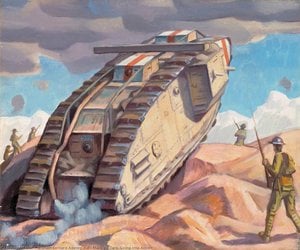
William Bernard Adeney
Anglie
Rychlé fakta
- Artistic Movement Or Style: Landscape Impressionism
- Artists Who Influenced This Artist:
- Claude Monet
- Pierre-Auguste Renoir
- Date Of Birth: August 2, 1878
- Date Of Death: April 4, 1966
- Full Name: Bernard Adeney
- Nationality: British
- Notable Artworks: ['The Experimental Depot']
- Place Of Birth: London, England

