


 Zobrazit v interiéru
 Odeslat
 Sdílet
 Podrobnosti
 Průvodce

 Stáhnout obrázek
 Podobné kousky
 Rentgenové snímky
 Slideshow
 Statistiky
Rural View
 Impressionism
 34.0 x 51.0 cm
 Přečíst si více
Ručně malovaná olejová reprodukce
Ručně malované olejné plátno v libovolném rozměru i s rámem, vyrobené našimi umělci na zakázku. ( Přepnout na tiskové verze Přepnout na digitální verzi obrazu)




































Vyberte si z našich přednastavených velikostí, které odpovídají původním proporcím díla.

Můžete zadat vlastní rozměry pro konkrétní rám nebo prostor. Pokud se vámi vybraná velikost neshoduje s proporcemi původního obrazu, dílo buď ořízneme, nebo jej doplníme ručně malovanými prvky. Před zahájením výroby vám bude zaslán digitální náhled ke schválení.
Upozorňujeme, že náhled na obrazovce neodpovídá skutečnému ořezu ani rozšíření. Pouze digitální náhled přesně zobrazí finální kompozici.
Ačkoliv je možné zvolit vlastní velikost, pro zachování původních proporcí doporučujeme vybrat rozměr z předdefinovaného seznamu.
Po přijetí objednávky vám tým ArtsDot.com zašle e-mail s pokyny a poskytne náhledovou verzi.
Celosvětová doprava () za 3–4 týdny namísto standardních 5 týdnů. (25 září). Bez kompromisů v kvalitě.

Zdarma celosvětová expresní doprava

Vysoce kvalitní lněné plátno

Úplné pojištění přepravy

Záruka vrácení celního poplatku

Záruka věrného barevného shodu

100dení lhůta pro vrácení zboží (pouze při vadách výroby)

100% garance vrácení peněz

Sleva při více objednávkách
 Skleněná varianta je dostupná pouze u rozměrů menších než 110 cm

Rural View
Technika provedení
Velikost reprodukce
-


Celková cena
$ 263
Související díla


Biografie umělce
Walter J. Stamps: Capturing Manitoba's Soul Through Color Woodcuts
Walter J. Stamps (born 1930) stands as a pivotal figure in Canadian printmaking history, particularly renowned for his evocative depictions of Manitoba landscapes and prairies. His artistic journey began amidst the burgeoning postwar interest in European Expressionism, influencing his stylistic choices and fostering a deep connection to Japanese woodblock printing techniques—a fascination that would become central to his oeuvre. Stamps’s formative years were spent honing his skills in London, where he studied at Chelsea School of Art, absorbing the lessons of masters like Rembrandt and Cézanne before embarking on a solo artistic path. Early Influences: Stamps's initial explorations encompassed Surrealist aesthetics, mirroring the anxieties of the era but quickly gravitating toward Impressionistic sensibilities—a deliberate rejection of rigid formalism in favor of capturing fleeting moments of light and atmosphere. This stylistic decision wasn’t merely an homage to Impressionism; it represented a conscious effort to distill the essence of Manitoba's visual language—a commitment to conveying mood and emotion rather than literal representation. The influence of Hiroshige’s “Thirty-Six Views of Mount Fuji” was profound, prompting Stamps to meticulously study Ukiyo-e prints, mastering the meticulous carving process and experimenting with Prussian blue pigment—a bold innovation that revolutionized Canadian color woodcuts. Recognizing the transformative potential of Japanese printmaking techniques, Stamps sought to emulate their masterful use of line and colour, establishing a new standard for artistic expression within Canada. The Embrace of Japanese Printmaking: Stamps’s linocut prints demonstrate exceptional precision, reflecting years of dedicated practice. The resulting textures capture the tactile qualities of prairie grasses and weathered wood surfaces. He prioritized tonal gradations achieved through multiple layers of Prussian blue pigment, meticulously blending colors to emulate the atmospheric perspective characteristic of Japanese prints. This deliberate stylistic choice wasn’t merely an homage to Ukiyo-e; it represented a conscious effort to distill the essence of Manitoba's visual language—a commitment to conveying mood and emotion rather than literal representation. Mastering the intricate carving process demanded patience and meticulous attention to detail, mirroring the dedication required by Japanese printmakers. Manitoba Landscapes: Stamps’s artistic focus solidified in Manitoba, where he established a studio amidst the vast prairies. His prints became synonymous with capturing the region’s rugged beauty—rolling hills bathed in golden sunlight, windswept wheat fields stretching to the horizon, and serene waterways reflecting the sky. He sought to convey not just visual accuracy but also emotional resonance—a desire to capture the spirit of Manitoba's landscape and its connection to Canadian identity. His prints became integral to documenting Manitoba’s cultural heritage and celebrating its natural splendor. The Alberta Arts Council recognized Stamps’s contribution to prairie art, providing crucial support for his artistic endeavors and amplifying his influence on Canadian visual culture. Technique and Style: A Dialogue Between Impressionism and Ukiyo-e: Stamps's method involved transferring designs onto wooden blocks—typically maple or birch—using meticulous linocut techniques. He prioritized tonal gradations achieved through multiple layers of Prussian blue pigment, meticulously blending colors to emulate the atmospheric perspective characteristic of Japanese prints. This stylistic choice wasn’t merely an homage to Ukiyo-e; it represented a conscious effort to distill the essence of Manitoba's visual language—a commitment to conveying mood and emotion rather than literal representation. The resulting textures capture the tactile qualities of prairie grasses and weathered wood surfaces. Mastering the intricate carving process demanded patience and meticulous attention to detail, mirroring the dedication required by Japanese printmakers. Notable Achievements and Legacy: Defining Manitoba’s Artistic Identity: Stamps achieved considerable acclaim throughout his career, securing commissions from prominent Canadian institutions—including the Winnipeg Art Gallery and Alberta Arts Council—and exhibiting extensively across North America. His prints became integral to documenting Manitoba’s cultural heritage and celebrating its natural splendor. Stamps’s enduring legacy resides in his contribution to establishing Manitoba as a center for color woodcut art—a distinction that continues to resonate within Canadian artistic discourse. He was awarded the Royal Canadian Academy of Arts membership, recognizing his exceptional talent and furthering his influence on Canadian visual culture. His iconic print, *York Boat on Lake Winnipeg*, became a symbol of Manitoba’s wilderness and a testament to Stamps's artistic vision.
Walter J. Stamps
Anglie
Rychlé informace
- Artistic Movement Or Style: Color Woodcut
- Artists Who Influenced This Artist:
- Hiroshi Yoshida
- Albert Bierstadt
- Date Of Birth: October 25, 1884
- Full Name: Walter Joseph Stamps
- Nationality: Canadian
- Notable Artworks:
- York Boat on Lake Winnipeg
- View of St Mary's Street Looking towards the Church
- Farmyard Scene
- Place Of Birth: Alberta, Canada
Související články

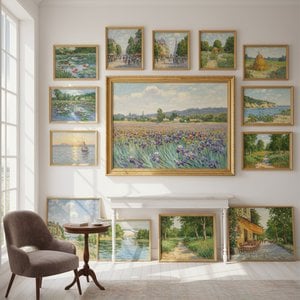
Beyond the Horizon: A Curated Guide to Integrating Post-Impressionist Landscapes into Modern Interiors
Transform your home with the emotive power of Post-Impressionist landscapes. Discover expert tips on selecting hand-painted oil reproductions to create a soulful, vibrant interior that reflects your unique style and connection to nature.

Top 10 impresionistických krajin: Mistrovská díla, která změnila umění | ArtsDot.cz
Prozkoumejte 10 ikonických impresionistických krajin od Monet, Renoir a dalších. Objevte příběhy umělců, techniky a barvy, které definovaly toto revoluční hnutí. Najděte dokonalý obraz pro váš interiér na ArtsDot.cz
Top 10 impresionistických krajin: Mistrovská díla, která změnila umění | ArtsDot
Prozkoumejte 10 ikonických impresionistických krajin od Monet, Renoir a dalších. Objevte příběhy umělců, techniky a barevnost tohoto revolučního hnutí. Najděte perfektní obraz pro váš interiér na ArtsDot.com

John Constable: 25 mistrovských děl krajinářské poezie | ArtsDot.com
Prozkoumejte 25 ikonických děl Johna Constabla, mistra anglického krajinářství a romantismu. Obdivujte jeho olejomalby, plátna s venkovskou atmosférou a inspirujte se pro dekoraci interiéru. Reprodukce obrazů nejvyšší kvality na ArtsDot.com

George Agnew Reid: A Canadian Impressionist's Pursuit of Light, Colour, and National Identity
Explore the life & work of George Agnew Reid, a pivotal figure in Canadian Impressionism. Discover his genre paintings, mural commissions, and lasting influence on art education & national identity. A comprehensive guide for collectors & enthusiasts.