

 Náhled
 Sdílet
 Sdílet
 Podrobnosti o díle

 Stáhnout
 Podobné položky
 Rentgenové snímky
 Slideshow
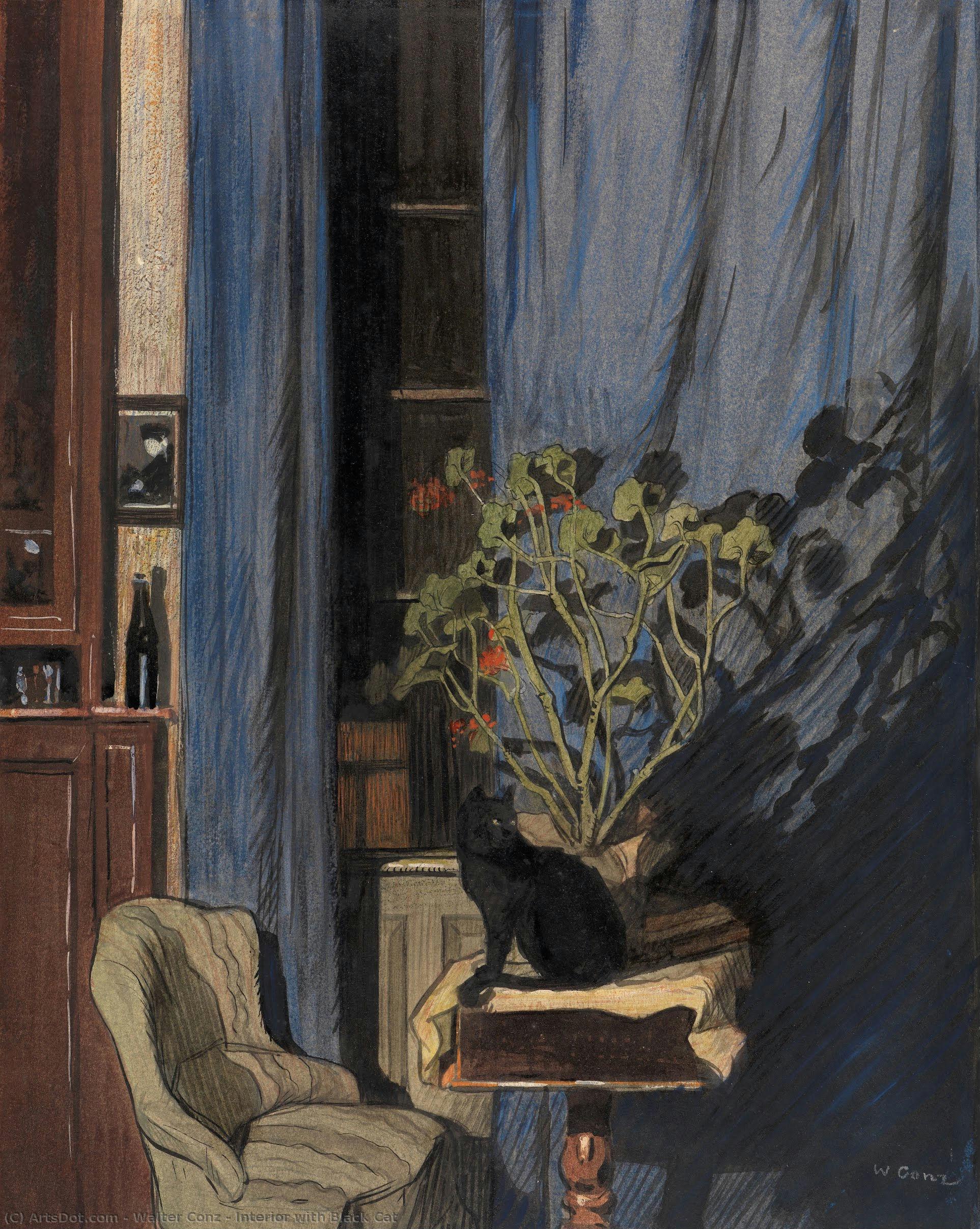
Interior with Black Cat


 Zobrazit více
Koupě vysoce rozlišeného, vylepšeného digitálního obrazu, který je mnohem kvalitnější než online náhled.
Každý soubor je pečlivě připraven našimi odborníky pomocí pokročilých nástrojů a expertní manuální retuše. Zajišťujeme, aby každý obraz disponoval výjimečnou ostrostí, přesnou barevnou věrností a jemnými detaily.
Finální soubor vám bude do 72 hodin zaslán e-mailem, optimalizovaný pro okamžité použití v profesionálním, redakčním i tiskovém prostředí. Nabízíme stejnou kvalitu, které důvěřují špičková designová studia, nakladatelství i galerie.
Digitální obrazy
Stáhněte si soubor ve vysokém rozlišení pro osobní prohlížení, tisk a kreativní projekty. ( Koupit tisk Koupit ručně malovaný obraz)
Součást každé objednávky digitálního obrazu
Profesionální digitální doručení, zaručeno.
Když si vyberete ArtsDot.com, nezískáváte pouze obrázek – získáváte digitální umělecké dílo s profesionálně vylepšenými detaily, zpracované s precizností a podpořené zárukou za spokojenost. Zde je vše, co vaše objednávka automaticky obsahuje:

Rychlé doručení e-mailem
Váš digitální obraz ve vysokém rozlišení vám bude zaslán e-mailem do 72 hodin od objednávky – připraven k okamžitému použití.

Digitální soubor s využitím AI
Vaše umělecké dílo je profesionálně optimalizováno pomocí pokročilých nástrojů umělé inteligence a manuální úpravy, což zajišťuje maximální úroveň detailu, ostrosti a přesnosti barev.

Bezplatné doživotní znovuodeslání
Soubor jste omylem smazali nebo ztratili? Žádný problém – kdykoliv vám ho znovu zašleme zcela zdarma.

Bez poplatků za dovoz – navždy
Užijte si své umělecké dílo okamžitě bez celních poplatků, daní nebo nákladů na dopravu – digitální stažení je vždy bez daňových povinností.

Záruka přesnosti barev
Pomocí profesionálních nástrojů a správy barev zajišťujeme, aby váš digitální obraz odrážel původní barvy co nejvěrněji.

60denní záruka spokojenosti
Pokud nebudete s digitální fotografií spokojeni, provedeme její revizi nebo vám vrátíme 100% během 60 dnů – bez jakýchkoliv dotazů.

100% záruka vrácení peněz
Nespokojeni? Získejte plnou částku zpět do 60 dní od přijetí vašeho digitálního souboru – bez jakýchkoliv dotazů.

Slevy při hromadných objednávkách
Koupěte si 3 obrazy, ušetřete 10% - Koupěte si 5, ušetřete 15% - Koupěte si 10+, ušetřete 20%. Ideální pro kreativní projekty, galerie a agentury.
Podobná umělecká díla


Biografie umělce
John Everett Millais: A Pre-Raphaelite Pioneer of Light and Nature
Born in Southampton, England, on June 8th, 1829, John Everett Millais was a figure of immense importance within the vibrant artistic landscape of Victorian Britain. His life, marked by both prodigious talent and personal complexities, intertwined with the rise of the Pre-Raphaelite Brotherhood – a movement that irrevocably altered the course of art history. From humble beginnings as a child prodigy to becoming one of the most celebrated painters of his era, Millais’s journey is a testament to artistic vision and enduring influence.
Millais's early life was shaped by his family’s social standing and access to education. His father, John William Millais, was a successful businessman, and his mother, Mary Jane Holland, fostered his artistic inclinations from a young age. He displayed remarkable skill at an astonishingly young age, entering the Royal Academy Schools in 1840 at just eleven years old – a feat rarely achieved. This early immersion into formal training laid the foundation for his future success, though he quickly chafed against the rigid conventions of academic art.
The formation of the Pre-Raphaelite Brotherhood in 1848 proved to be a pivotal moment in Millais’s career and artistic development. Alongside William Holman Hunt and Dante Gabriel Rossetti, he sought to break free from the perceived artificiality of contemporary painting, drawing inspiration from the art and ideals of the Renaissance – particularly those preceding Raphael (hence “Pre-Raphaelite”). The Brotherhood championed a return to naturalism, meticulous detail, and a reverence for beauty found in nature. Their manifesto advocated for honest representation, rejecting idealized forms and embracing vibrant colors and direct observation.
Key Works and Artistic Style
Millais’s artistic style evolved dramatically throughout his career, reflecting both the influence of the Pre-Raphaelite movement and his own developing aesthetic sensibilities. His early works, such as *Pizarro Seizing the Inca of Peru* (1849), showcased a dramatic flair and meticulous attention to detail, characteristic of the Brotherhood’s initial style. However, it was *Ophelia* (1851-52), arguably his most famous painting, that truly cemented his reputation and sparked considerable controversy.
*Ophelia*, depicting the tragic heroine from Shakespeare's play drowning in a stream, is a masterpiece of Romanticism and Pre-Raphaelite aesthetics. Millais’s painstaking rendering of the water lilies, the foliage, and Ophelia’s delicate features captivated audiences but also drew criticism for its perceived realism – some found it unsettlingly lifelike. Later works, like *Christ in the House of His Parents* (1851-52), demonstrated a shift towards a more direct and naturalistic approach, capturing the everyday life of a rural family with remarkable accuracy and emotional resonance.
Millais’s later paintings often focused on idyllic scenes of nature, particularly flowers. *Autumn Leaves* (1856) is a prime example, showcasing his mastery of color and light as he depicted the vibrant hues of falling foliage. His portraits, too, evolved over time, moving beyond mere likeness to capture the personality and character of his subjects – exemplified in his portrait of Tennyson.
Personal Life and Artistic Evolution
Millais’s personal life was inextricably linked to his artistic development. His marriage to Effie Chalmers, formerly married to critic John Ruskin, proved a complex and ultimately unhappy one. The annulment of their marriage fueled speculation about its impact on Millais's artistic style, with some critics suggesting that it led him away from the Pre-Raphaelite Brotherhood’s ideals. However, this narrative is debated by scholars today.
Despite these personal challenges, Millais continued to produce a prolific body of work throughout his career. In the mid-1850s, he began to move away from the overtly symbolic and allegorical themes favored by the Pre-Raphaelites, embracing a more direct and realistic style influenced by contemporary artistic trends. This shift was partly driven by commercial success – his paintings were highly sought after by wealthy patrons – but also by a genuine desire to explore new avenues of expression.
Legacy and Historical Significance
John Everett Millais’s legacy extends far beyond his individual works. He played a crucial role in shaping the course of British art during the Victorian era, challenging established conventions and paving the way for future generations of artists. His commitment to naturalism, meticulous detail, and emotional resonance profoundly influenced the development of Impressionism and other modern artistic movements.
Millais’s paintings continue to resonate with audiences today, admired for their beauty, technical skill, and evocative power. *Ophelia*, in particular, remains one of the most iconic images in art history, a testament to Millais's genius and his enduring contribution to the world of art.
He was made an Associate of the Royal Academy in 1853, and a full member in 1863. He was created a baronet in 1896 and died on August 13th, 1896, in London. His work is held by many museums around the world.

walter conz
1896 - 1948 , Germany
Stručné informace
- Artistic Movement Or Style: Pre-Raphaelite Brotherhood
- Artists Or Movements Influenced By This Artist:
- William Morris
- Modernism
- Artists Who Influenced This Artist:
- William Holman Hunt
- Dante Gabriel Rossetti
- Date Of Birth: June 8, 1829
- Date Of Death: August 13, 1896
- Full Name: John Everett Millais
- Nationality: English
- Notable Artworks:
- Ophelia
- Christ in the House of His Parents
- Place Of Birth: Southampton, England

