

 Náhled
 Sdílet
 Sdílet
 Podrobnosti o díle

 Stáhnout
 Podobné položky
 Rentgenové snímky
 Slideshow
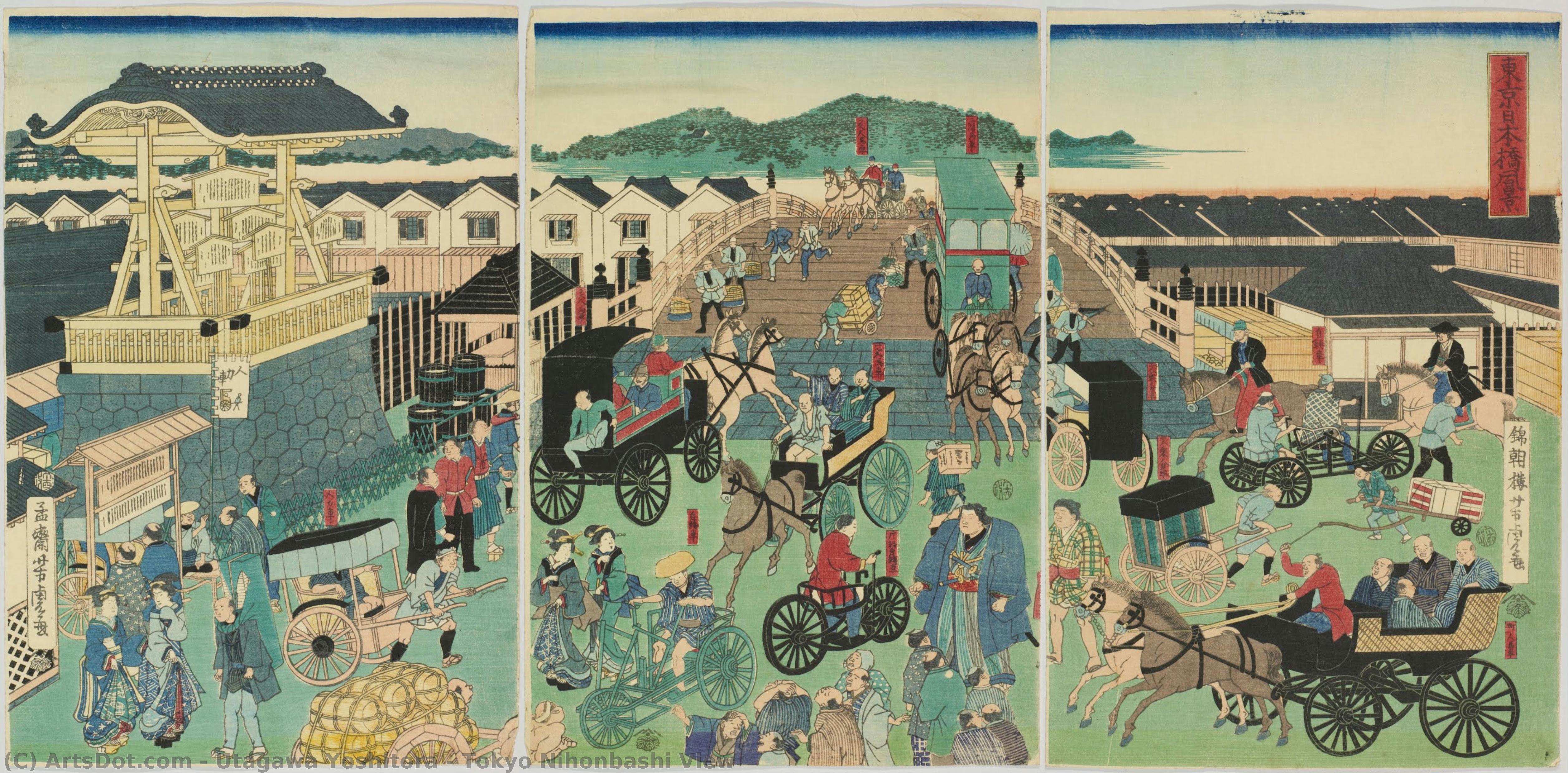
Tokyo Nihonbashi View


 Zobrazit více
Koupě vysoce rozlišeného, vylepšeného digitálního obrazu, který je mnohem kvalitnější než online náhled.
Každý soubor je pečlivě připraven našimi odborníky pomocí pokročilých nástrojů a expertní manuální retuše. Zajišťujeme, aby každý obraz disponoval výjimečnou ostrostí, přesnou barevnou věrností a jemnými detaily.
Finální soubor vám bude do 72 hodin zaslán e-mailem, optimalizovaný pro okamžité použití v profesionálním, redakčním i tiskovém prostředí. Nabízíme stejnou kvalitu, které důvěřují špičková designová studia, nakladatelství i galerie.
Digitální obrazy
Stáhněte si soubor ve vysokém rozlišení pro osobní prohlížení, tisk a kreativní projekty. ( Koupit tisk Koupit ručně malovaný obraz)
Součást každé objednávky digitálního obrazu
Profesionální digitální doručení, zaručeno.
Když si vyberete ArtsDot.com, nezískáváte pouze obrázek – získáváte digitální umělecké dílo s profesionálně vylepšenými detaily, zpracované s precizností a podpořené zárukou za spokojenost. Zde je vše, co vaše objednávka automaticky obsahuje:

Rychlé doručení e-mailem
Váš digitální obraz ve vysokém rozlišení vám bude zaslán e-mailem do 72 hodin od objednávky – připraven k okamžitému použití.

Digitální soubor s využitím AI
Vaše umělecké dílo je profesionálně optimalizováno pomocí pokročilých nástrojů umělé inteligence a manuální úpravy, což zajišťuje maximální úroveň detailu, ostrosti a přesnosti barev.

Bezplatné doživotní znovuodeslání
Soubor jste omylem smazali nebo ztratili? Žádný problém – kdykoliv vám ho znovu zašleme zcela zdarma.

Bez poplatků za dovoz – navždy
Užijte si své umělecké dílo okamžitě bez celních poplatků, daní nebo nákladů na dopravu – digitální stažení je vždy bez daňových povinností.

Záruka přesnosti barev
Pomocí profesionálních nástrojů a správy barev zajišťujeme, aby váš digitální obraz odrážel původní barvy co nejvěrněji.

60denní záruka spokojenosti
Pokud nebudete s digitální fotografií spokojeni, provedeme její revizi nebo vám vrátíme 100% během 60 dnů – bez jakýchkoliv dotazů.

100% záruka vrácení peněz
Nespokojeni? Získejte plnou částku zpět do 60 dní od přijetí vašeho digitálního souboru – bez jakýchkoliv dotazů.

Slevy při hromadných objednávkách
Koupěte si 3 obrazy, ušetřete 10% - Koupěte si 5, ušetřete 15% - Koupěte si 10+, ušetřete 20%. Ideální pro kreativní projekty, galerie a agentury.
Podobná umělecká díla


Biografie umělce
The Dynamic Brush of Utagawa Yoshitora: A Life Immersed in Action and Innovation
Utagawa Yoshitora, a name resonating within the vibrant world of *ukiyo-e*, stands as a compelling figure whose career bridged traditional Japanese artistry with an increasingly globalized aesthetic. Born into a lineage of printmakers – though precise dates remain elusive – Yoshitora flourished during the late Edo and early Meiji periods (roughly 1830s to 1880s), a time of immense social and artistic upheaval in Japan. He navigated this shifting landscape with remarkable adaptability, leaving behind a body of work characterized by dynamic compositions, bold color palettes, and an intriguing fusion of Japanese and Western influences. While often overshadowed by his more celebrated contemporaries like Kuniyoshi, Yoshitora’s contributions are increasingly recognized for their unique energy and historical significance. His artistic journey unfolded under several names – Ichimōsai Yoshitora, Kinchōrō Yoshitora, and Mosai Yoshitora – a practice not uncommon among *ukiyo-e* artists who adopted different art names throughout their careers to mark stylistic shifts or periods of production.A Canvas of Conflict: Samurai Battles and Historical Narratives
Yoshitora’s artistic reputation rests primarily on his depictions of samurai battles, warriors, and historical scenes. He possessed a keen eye for dramatic storytelling, translating epic conflicts onto woodblock prints with breathtaking detail. Unlike some artists who focused solely on idealized heroism, Yoshitora often imbued his battle scenes with a raw, visceral energy. His compositions are rarely static; instead, they explode with movement – clashing swords, rearing horses, and the determined expressions of combatants locked in fierce struggle. He wasn’t merely illustrating history; he was *recreating* it, capturing the chaos and intensity of warfare. This commitment to dynamic representation extended beyond individual battles, encompassing broader historical narratives and legendary tales of valor. His series depicting famous generals and their exploits became particularly popular, appealing to a public fascinated by both the glory and tragedy of Japan’s warrior past. The influence of earlier masters like Hokusai and Kuniyoshi is evident in his early works, but Yoshitora quickly developed a distinctive style marked by bolder outlines and more expressive use of color.Embracing the West: A Fusion of Styles
The arrival of Western culture in Japan during the late Edo period profoundly impacted *ukiyo-e* artists, and Yoshitora was among those most receptive to these new influences. He didn’t simply copy Western techniques; instead, he selectively integrated them into his existing artistic vocabulary. This is particularly noticeable in his use of perspective – a concept largely absent from traditional Japanese art – which he employed to create a greater sense of depth and realism in his compositions. Furthermore, Yoshitora experimented with shading and modeling techniques borrowed from European prints, adding volume and texture to his figures. His depictions of Western military uniforms and weaponry, often incorporated into scenes alongside traditional samurai armor, are testament to his curiosity and willingness to embrace the unfamiliar. This fusion of Eastern and Western elements wasn’t merely a stylistic quirk; it reflected Japan’s broader engagement with the world and its evolving identity during a period of rapid modernization.Beyond the Battlefield: Bijin-ga and Diverse Subject Matter
While best known for his warrior prints, Yoshitora's artistic range extended beyond the realm of conflict. He also produced *bijin-ga* – portraits of beautiful women – showcasing a delicate sensitivity and refined aesthetic sensibility. These works reveal a different facet of his talent, demonstrating his ability to capture not only action but also grace and elegance. His *bijin-ga* often depict courtesans or fashionable townswomen engaged in everyday activities, offering glimpses into the lives and customs of Edo society. Moreover, Yoshitora ventured into other subject areas, including landscapes, actors, and even Chinese print series, further highlighting his versatility as an artist. This diversity suggests a desire to appeal to a broad audience and explore different facets of Japanese culture.Legacy and Historical Significance
Utagawa Yoshitora’s legacy lies in his ability to synthesize tradition and innovation, creating *ukiyo-e* prints that are both visually striking and historically informative. He wasn't simply a follower of established conventions; he was an active participant in the evolution of Japanese art, pushing boundaries and experimenting with new techniques. His bold compositions, dynamic energy, and willingness to embrace Western influences set him apart from his contemporaries and paved the way for future generations of printmakers. While his work may not be as widely recognized as that of Hokusai or Kuniyoshi, Yoshitora’s contributions are increasingly appreciated by scholars and collectors alike. His prints offer a unique window into a pivotal period in Japanese history – a time of conflict, change, and cultural exchange – and serve as a testament to the enduring power of *ukiyo-e* art.- Key Themes: Samurai battles, historical narratives, warrior culture, fusion of Eastern and Western styles.
- Notable Series: Depictions of famous generals, legendary tales of valor, *bijin-ga* portraits.
- Influences: Hokusai, Kuniyoshi, European printmaking techniques.


