


 Zobrazit v interiéru
 Odeslat
 Sdílet
 Podrobnosti
 Průvodce

 Stáhnout obrázek
 Podobné kousky
 Rentgenové snímky
 Slideshow
 Statistiky
Bodhidharma
 Zen Art Movement
 601
601 90.0cm x 33.0cm
 Přečíst si více
Giclée / Umělecký tisk
Giclée nebo plátěný tisk muzeální kvality s rychlou výrobou a širokou nabídkou povrchových úprav. ( Objednat ručně malovanou reprodukci Přepnout na digitální verzi obrazu)




































Vyberte si z našich přednastavených velikostí, které odpovídají původním proporcím díla.

Zadejte šířku a výšku, které potřebujete pro váš rám nebo stěnu. Tisk lze pouze oříznout, nikdy však nelze zvětšit obraz nad jeho původní rozměr, proto při výběru jiného formátu dochází ke ztrátě části obrazu. Před samotným tiskem vám zašleme digitální náhled k schválení. Obraz zobrazený na této stránce nenabízí skutečný výřez — ten uvidíte pouze v náhledu.
Celosvětové doručení () do 2 týdnů namísto standardních 4/5 týdnů. (21 říjen)

Zdarma celosvětová expresní doprava

Vysoce kvalitní lněné plátno

Úplné pojištění přepravy

Záruka vrácení celního poplatku

Záruka věrného barevného shodu

100dení lhůta pro vrácení zboží (pouze při vadách výroby)

100% garance vrácení peněz

Sleva při více objednávkách
 Skleněná varianta je dostupná pouze u rozměrů menších než 110 cm

Bodhidharma
Giclée / Umělecký tisk
Velikost reprodukce
-


Celková cena
Kč 1318
The Artist: Unkoku Tōgan
Unkoku Tōgan (1547–1618) was a Japanese painter born into a privileged family in Nagasaki. He began his artistic career in the studio of Kano Shōei before turning to the works of Sesshū Tōyō, becoming one of the most admired ink painters of the Momoyama period.The Painting: Bodhidharma
This imagined portrait by Unkoku Tōgan depicts Daruma (Sanskrit: Bodhidharma), the monk credited with transmitting Chan Buddhism from India to China in the fifth century. The painting, ink on paper, showcases Tōgan's mastery of minimalist composition and expressiveness, reflecting Zen beliefs in direct experience and rejection of superfluous ornamentation.Historical Context
The Zen art movement, influenced by Sarvastivada meditation practice, Mahayana thought, Madhyamaka thought, and Taoist philosophy, emphasizes meditation, intuition, simplicity, and expressiveness. The Suiboku ga art movement, a type of Chinese ink brush painting, emerged during the Tang dynasty (618–907) and overturned earlier, more realistic techniques. It is typically monochrome, using only shades of black, with great emphasis on virtuoso brushwork and conveying the perceived "spirit" or "essence" of a subject.Ink Wash Painting
Wash, a visual arts technique resulting in a semi-transparent layer of color, is often applied in combination with drawing, creating pen and wash, wash drawing, or ink and wash. The classic East Asian tradition of ink wash painting uses black ink in various levels of dilution, historically associated with Zen art.Zen Art Today
Today, Zen art continues to inspire artists and collectors worldwide. Museums such as the Boston Museum of Fine Arts and the Metropolitan Museum of Art feature extensive collections of Zen art, showcasing its enduring appeal and relevance. Discover our hand-made oil painting reproductions of Unkoku Tōgan's 'Bodhidharma' at ArtsDot.com. Experience the profound and enduring vision of reality embodied in this masterpiece. Sources:- The Zen Art Movement
- The Suiboku ga Art Movement
- The Art Media Wash Introduction to the Art of Wash
- Painting by 'Unkoku Tōgan' | Unkoku Tōgan:Bodhidharma (89.6cm x 33.4cm,Paper,)
- Unkoku Tōgan
Otázky a odpovědi
Do které období tvorby Unkoku Togan spadá dílo "Bodhidharma"?
V rámci kariéry umělce Unkoku Togan spadá dílo „Bodhidharma“ do období Momoyama Period. Tato fáze umožňuje jeho srovnání s dalšími díly tohoto umělce.
Do které fáze tvorby Unkoku Togan spadá dílo „Bodhidharma“, vzhledem k jeho datování?
Datum 601 umisťuje dílo „Bodhidharma“ do období Momoyama Period v rámci tvůrčího rozvoje umělce Unkoku Togan.
V jakém roce a v rámci kterého směru bylo dílo "Bodhidharma" vytvořeno?
Dílo "Bodhidharma" vzniklo v roce 601 v rámci směru Zen Art Movement.
Související díla


Biografie umělce
Unkoku Tōgan: A Life Dedicated to Landscape and Spirituality
- Born: Nagasaki, Japan (1547)
- Died: 1618
Unkoku Tōgan, born in 1547, stands as a significant figure in Japanese art history, renowned for his realistic landscapes and the profound spirituality interwoven within his works. Born into privilege as the second son of Hara Naoie, lord of Nokomi Castle in Hizen province, Nagasaki provided the backdrop to his early life and artistic development.
Early Training and Artistic Development
Tōgan’s initial training occurred within the esteemed Kanō school, a dominant force in Japanese art during that era. However, he soon transcended this foundation, drawing significant inspiration from the celebrated painter Sesshū Tōsai. This influence is evident in his signature style – paintings primarily executed using ink on paper, depicting strikingly realistic landscapes. He initially worked under Lord Mori of Yamaguchi Prefecture.
Artistic Style and Notable Works
Unkoku Tōgan’s artistic hallmark lies in his bold brushstrokes and the vibrant colors he employed, a departure from traditional Japanese art styles. His landscapes weren't merely depictions of scenery; they conveyed a sense of depth and realism rarely seen at the time. Some of his most recognized works include:
- Screen Depicting Landscape, People, Flowers, and Birds: Currently housed at the Iwami Art Museum, this piece exemplifies his ability to integrate various elements into a cohesive and captivating scene.
- Bodhidharma: A masterful 1601 ink wash painting embodying Zen philosophy, showcasing minimalist composition and profound spirituality.
- Priest Xianzi: Demonstrates his skill in portraiture alongside landscape artistry.
Beyond Painting: Buddhist Life and Spiritual Influence
Tōgan’s life extended beyond the realm of painting. He embraced a spiritual path, becoming a Buddhist priest and abbot of Unkoku-an Temple. This experience profoundly shaped his artistic vision, imbuing his works with themes of nature and spirituality. His paintings often reflect a deep connection to the natural world and an understanding of Zen principles.
Legacy and Influence
Unkoku Tōgan’s influence resonated throughout Japanese art history. While rooted in the Kanō school, he forged his own distinct style that inspired subsequent generations of artists. Notable figures who drew inspiration from his work include:
- Kano Sansetsu
- Kanō Eitoku
His paintings are housed in prestigious institutions such as the Museum Menard Art Museum, highlighting his enduring importance within Japanese cultural heritage. His artistic style and legacy continue to be studied by art historians and scholars today.

Unkoku Togan
1547 - 1618 , Japan
Rychlé informace
- Artistic Movement Or Style: Suiboku-ga, Kanō school
- Artists Or Movements Influenced By This Artist:
- Kano Sansetsu
- Kanō Eitoku
- Artists Who Influenced This Artist:
- Sesshu
- Kanō School
- Date Of Birth: 1547
- Date Of Death: 1618
- Full Name: Unkoku Tōgan
- Nationality: Japanese
- Notable Artworks:
- Screen Depicting Landscape
- Bodhidharma
- Priest Xianzi
- Place Of Birth: Nagasaki, Japan
Související články

Katsushika Hokusai: 25 mistrovských děl japonského umění pro váš interiér | ArtsDot.com
Prozkoumejte 25 ikonických děl japonského mistra Katsushiky Hokusaiho! Objevte příběhy za Velkou vlnou, 36 pohledů na horu Fuji a další ukiyo-e tisků. Kvalitní reprodukce obrazů pro váš interiér na ArtsDot.com.

Ephemeral Expressions: Exploring the Nuances of Ink on Paper Through History & Contemporary Art
Explore the captivating world of ink wash painting – from its ancient origins to contemporary masters. Discover techniques, symbolism & conservation insights with ArtsDot.com.
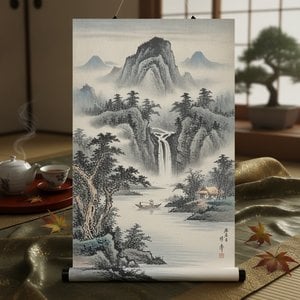
Serenity on Canvas: A Guide to the Timeless Beauty of Japanese Landscape Painting
Discover the serene beauty of Japanese landscape painting. From Hokusai's iconic woodblock prints to meditative sumi-e ink washes, explore a visual journey through the 'floating world' and learn how to bring this timeless Zen aesthetic into your modern home decor.

Ephemeral Lines: Exploring Emotional Resonance in Ink Sketching Traditions
Explore the profound art of ink sketching! Discover techniques to express emotion, master line work, and cultivate artistic sensitivity. Learn from historical masters & unlock your creative potential.

Xie Zhiliu: A Legacy of Ink Wash Painting & Modern Chinese Literati Tradition
Explore the legacy of Xie Zhiliu, a master of Chinese ink wash painting & prominent figure in modern art. Discover his techniques, influences, and contributions to literati tradition. A guide for discerning collectors.