


 Zobrazit v interiéru
 Odeslat
 Sdílet
 Podrobnosti
 Průvodce

 Stáhnout obrázek
 Podobné kousky
 Rentgenové snímky
 Slideshow
 Statistiky
Setta
 Mixed Media
- WallArt
- Contemporary Art
 2022
2022- Contemporary
 243.0 x 213.0 cm
 The Baltimore Museum of Art
 Přečíst si více
Umělecké dílo zobrazené na této stránce je chráněno autorským zákonem, což znamená, že nemůžeme legálně vytvářet ani prodávat jeho identickou reprodukci. Tato ochrana je vymáhána na základě mezinárodních dohod, jako například Berberská úmluva a národními zákony, včetně těch stanovených v Americký autorský zákon – Díl 17. Všechna práva vyhrazena.
Tato metoda je plně v souladu s autorským právem, protože nezahrnuje kopírování ani duplikování chráněného díla. Jde o kreativní reinterpretaci – nový obraz, který je inspirován originálem, ale není s ním identický.
Giclée / Umělecký tisk
Giclée nebo plátěný tisk muzeální kvality s rychlou výrobou a širokou nabídkou povrchových úprav. ( Objednat ručně malovanou reprodukci Přepnout na digitální verzi obrazu)




P118B Kč10

P118H Kč10

P118W Kč10

P438Z Kč10

P508JH Kč12

P508YH Kč12

P805H Kč10

P805Z Kč10

P919BZ Kč10

P919G Kč10

P919XJ Kč10

P959ZH Kč10

P968JZ Kč12

W106C Kč8

W218G Kč10

W218JH Kč8

W218Y Kč10

W307PJ Kč10

W316G Kč10

W316PJ Kč8

W316Y Kč10

W398PJ Kč8

W4111J Kč10

W500HY Kč15

W500JH Kč15

W692G Kč12

W849H Kč8

W940BG Kč15

W953PJ Kč8




Vyberte si z našich přednastavených velikostí, které odpovídají původním proporcím díla.

Zadejte šířku a výšku, které potřebujete pro váš rám nebo stěnu. Tisk lze pouze oříznout, nikdy však nelze zvětšit obraz nad jeho původní rozměr, proto při výběru jiného formátu dochází ke ztrátě části obrazu. Před samotným tiskem vám zašleme digitální náhled k schválení. Obraz zobrazený na této stránce nenabízí skutečný výřez — ten uvidíte pouze v náhledu.
Celosvětové doručení () do 2 týdnů namísto standardních 4/5 týdnů. (24 říjen)

Zdarma celosvětová expresní doprava

Vysoce kvalitní lněné plátno

Úplné pojištění přepravy

Záruka vrácení celního poplatku

Záruka věrného barevného shodu

100dení lhůta pro vrácení zboží (pouze při vadách výroby)

100% garance vrácení peněz

Sleva při více objednávkách
 Skleněná varianta je dostupná pouze u rozměrů menších než 110 cm

Setta
Giclée / Umělecký tisk
Velikost reprodukce
-


Celková cena
Kč 1324
A Moment Captured in Color: The Intimacy of Setta
In the vibrant and deeply personal world of Tschabalala Self, every brushstroke and fabric fragment serves as a reclamation of identity. Her 2022 masterpiece, Setta, invites the viewer into a private, domestic sphere that feels both profoundly contemporary and timelessly human. The painting presents a striking portrait of a woman seated on the floor, her legs crossed in a posture of casual ease, yet there is an undeniable gravity to her presence. As she holds a phone to her ear, caught in the middle of a silent conversation, the artwork transcends mere depiction; it becomes a meditation on connection, solitude, and the quiet rhythms of modern life. The composition is anchored by a bold, monochromatic pink backdrop that radiates warmth, casting a soft, dreamlike glow over the scene that softens the edges of reality.
The spatial arrangement within Setta creates a narrative tension that is both inviting and thought-provoking. Flanked by chairs and a dining table, the woman exists within a structured domestic environment, yet her position on the floor suggests a breaking of convention—a refusal to adhere to the rigid seating arrangements of traditional portraiture. This placement, combined with the presence of everyday objects, grounds the work in a relatable reality while simultaneously elevating it to something much more symbolic. The interplay between the furniture and the figure creates a sense of depth, drawing the eye through the room and forcing the viewer to contemplate the relationship between the individual and their surroundings.
The Alchemy of Texture and Identity
What distinguishes Setta as a quintessential example of Self’s revolutionary technique is her masterful use of mixed media. The artist does not merely paint; she constructs. By integrating scraps of fabric and textile elements into the canvas, she creates a tactile topography that mirrors the layered complexities of Black female experience. This "painting language" allows the skin tones and clothing to possess a physical weight and a rhythmic texture that traditional oil painting alone could never achieve. The collage elements act as metaphors for the fragmented yet resilient nature of identity, where different pieces of history, culture, and personal narrative are stitched together to form a cohesive whole.
For the discerning collector or interior designer, Setta offers more than just visual splendor; it provides an emotional anchor. The large-scale dimensions of 243 x 213 cm allow the work to command a room, acting as a powerful focal point that stimulates conversation and reflection. The piece carries a profound emotional impact, oscillating between the comfort of a familiar domestic scene and the radical strength of its subject. It is an artwork that celebrates presence, challenging the historical marginalization of Black women by placing them at the very center of a vibrant, textured, and undeniable reality. To possess a reproduction of such a work is to bring a piece of contemporary art history into one's space—a testament to the beauty of resilience and the power of the reclaimed narrative.
Otázky a odpovědi
Jaká je převládající barva díla „Setta“ od Tschabalala Self?
Dílo „Setta“ od Tschabalala Self je protknuto Warm Sunset Tones odstínem.
Jakou náladu by do prostoru přineslo dílo "Setta"?
Dílo „Setta“ s svou Bold atmosférou se doporučuje do Living Room.
Jak harmonické jsou barvy díla „Setta“ od Tschabalala Self?
„Setta“ od Tschabalala Self představuje Strong Color Unity barevnou harmonii.
Související díla


Biografie umělce
The Fabric of Identity: The Visionary World of Tschabalala Self
To encounter the work of Tschabalala Self is to enter a vibrant, tactile dialogue between memory, materiality, and the reclamation of the Black female form. Born in New York City in 1990, Self has emerged as one of the most compelling voices in contemporary art, crafting a visual language that refuses to be contained by traditional boundaries. Her practice is not merely about the application of pigment to canvas; it is an intricate act of assemblage, where paint meets fabric scraps—often remnants from her own previous creations—to construct portraits that pulse with life and agency. Through this unique "painting language," she weaves together disparate elements to challenge the historical marginalization of Black women, transforming the canvas into a site of profound self-representation.
Self’s artistic journey is deeply intertwined with her roots in Harlem and her formal training at prestigious institutions like Bard College and the Yale School of Art. Her work draws significant inspiration from the legacy of African-American artists such as Romare Bearden, whose use of collage offered a blueprint for navigating complex social narratives through layered imagery. By integrating elements of Black culture—specifically the symbolic weight of quilting traditions—Self creates portraits that function as metaphorical quilts. These pieces are not just aesthetic objects but are interwoven histories of resilience and strength, using the physical act of stitching to represent the mending and constructing of identity in a world that often seeks to fragment it.
Technique as Narrative: The Alchemy of Collage and Cloth
The brilliance of Self’s technique lies in its refusal to separate the medium from the message. Her process is a meticulous dance of layering, where the boundaries between painting and textile are intentionally blurred. She utilizes vibrant colors and varied textures to create a palpable sense of depth, inviting the viewer to touch the surface with their eyes. This method of incorporating fabric scraps allows her to achieve a sculptural quality on a two-dimensional plane, making each figure feel as though they are emerging from a rich, historical tapestry. In works such as Bodega Run, the interplay of figures and objects—from the sheen of sunglasses to the grounded presence of everyday items—creates a lived-in space that feels both intimate and monumental.
This tactile approach serves a deeper symbolic purpose: it is an act of reclamation. By using discarded pieces of her own past works, Self establishes a sense of continuity and temporal connection, suggesting that identity is a cumulative process of layering experiences. Her portraits depict Black female bodies that are intentionally designed to "defy the narrow spaces in which they are forced to exist." Through the strategic use of color and texture, she strips away the pervasive stereotypes of passivity or vulnerability, replacing them with depictions of autonomy, power, and a complex, multifaceted humanity.
Legacy and the Reimagined Portrait
The ascent of Tschabalala Self in the global art arena has been marked by significant critical acclaim and major institutional recognition. From her early solo exhibitions in Berlin to landmark shows like Trigger: Gender as a Tool and a Weapon at the New Museum, her work has consistently pushed the boundaries of contemporary portraiture. Her ability to bridge the gap between high-concept fine art and the deeply personal traditions of Black domesticity has earned her comparisons to masters like Arshile Gorky and Willem de Kooning, yet her voice remains singularly her own. Beyond the canvas, her ventures into performance art, such as Sounding Board, further demonstrate her commitment to exploring the multifaceted nature of presence and sound.
Ultimately, the historical significance of Tschabalala Self lies in her ability to create alternative narratives. In an era where representation is a site of intense social struggle, her work provides a sanctuary for the Black female body to exist freely, without the fear of being punished or pigeonholed by the external gaze. Her achievements can be summarized through several key pillars of her impact:
- Redefining Portraiture: Moving beyond mere likeness to explore the psychological and material layers of identity.
- Cultural Synthesis: Successfully merging contemporary painting techniques with traditional African-American quilting aesthetics.
- Social Agency: Utilizing mixed media to actively dismantle stereotypes and celebrate Black female autonomy.
- Material Innovation: Pioneering a distinctive "painting language" that treats fabric and paint as inseparable components of a single narrative.
As her career continues to evolve, Self remains a vital force in the contemporary landscape, reminding us that art is not just a reflection of reality, but a powerful tool for reconstructing it.

Tschabalala Self
1990 - , United States of America
Rychlé informace
- Full Name: tschabalala self
- Nationality: American
- Date Of Birth: 1990
- Place Of Birth: New York City, United States of America
- Notable Artworks: ['Setta']
- Artistic Movement Or Style: Painting language
Související články
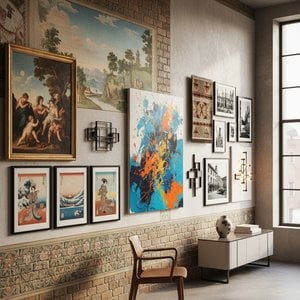
Transforming Spaces: A Comprehensive Exploration of Wall Decor Through Art History & Contemporary Practice
Explore the art of transforming spaces with our comprehensive guide to wall decor. From historical movements to contemporary trends, discover how to curate impactful interiors and commission bespoke artwork for a truly personalized aesthetic.

Top 10 slavných obrazů v odstínech světle růžové – umění a inspirace pro interiér
Objevte top 10 slavných obrazů v odstínech světle růžové! Prozkoumejte příběhy Monetových, Renoirových a dalších mistrů. Inspirace pro váš interiér s reprodukcemi nejvyšší kvality na ArtsDot.com.

The Art of Emphasis: Scaling Artwork for Impactful Statement Walls
Elevate your interiors with impactful statement walls! Expert guide on scaling artwork for perfect proportions & design harmony. Custom solutions & free consultations at ArtsDot.

Návrat fresky: Proč jsou nástěnné malby novým luxusním prvkem interiéru
Objevte návrat nástěnné malby jako luxusního prvku interiéru. Průvodce technikami, historickým kontextem a inspirací pro hotely a designéry. Kvalitní provedení a dlouhodobá hodnota.

The Emotional Resonance of Wall Art: Elevating Interior Design from Aesthetic to Experiential Luxury
Discover how curated wall art transforms interiors into emotionally resonant experiences. Explore the psychology of color, bespoke commissions & timeless masterpieces with expert guidance from ArtsDot.