


 Zobrazit v interiéru
 Odeslat
 Sdílet
 Podrobnosti
 Průvodce

 Stáhnout obrázek
 Podobné kousky
 Rentgenové snímky
 Slideshow
 Statistiky
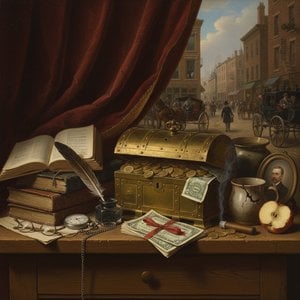
Still Life


 Přečíst si více
Umělecké dílo zobrazené na této stránce je chráněno autorským zákonem, což znamená, že nemůžeme legálně vytvářet ani prodávat jeho identickou reprodukci. Tato ochrana je vymáhána na základě mezinárodních dohod, jako například Berberská úmluva a národními zákony, včetně těch stanovených v Americký autorský zákon – Díl 17. Všechna práva vyhrazena.
Jako etickou a právní alternativu nabízíme vlastní, ručně malovaná umělecká díla inspirovaná originálem. Naši zdatní a profesionální umělci si pečlivě studují styl, náladu a uměleckou podstatu originálu, aby vytvořili nové, jedinečné dílo, které vyvolává stejný pocit – přičemž zůstává samostatným originálním tvůrčím dílem.
Tato metoda je plně v souladu s autorským právem, protože nezahrnuje kopírování ani duplikování chráněného díla. Jde o kreativní reinterpretaci – nový obraz, který je inspirován originálem, ale není s ním identický.
Ručně malovaná olejová reprodukce
Ručně malované olejné plátno v libovolném rozměru i s rámem, vyrobené našimi umělci na zakázku. ( Přepnout na tiskové verze Přepnout na digitální verzi obrazu)




P118B Kč10

P118H Kč10

P118W Kč10

P438Z Kč10

P508JH Kč12

P508YH Kč12

P805H Kč10

P805Z Kč10

P919BZ Kč10

P919G Kč10

P919XJ Kč10

P959ZH Kč10

P968JZ Kč12

W106C Kč8

W218G Kč10

W218JH Kč8

W218Y Kč10

W307PJ Kč10

W316G Kč10

W316PJ Kč8

W316Y Kč10

W398PJ Kč8

W4111J Kč10

W500HY Kč15

W500JH Kč15

W692G Kč12

W849H Kč8

W940BG Kč15

W953PJ Kč8




Vyberte si z našich přednastavených velikostí, které odpovídají původním proporcím díla.

Zadejte šířku a výšku, které potřebujete pro váš rám nebo stěnu. Protože se jedná o ruční malbu, při výběru jiného formátu může umělec kolem obrazu domalovat o něco více, nebo jej mírně oříznout — rozhodnete si vy. Před zahájením malby vám zašleme digitální náhled ke schválení. Obraz zobrazený na této stránce neodpovídá skutečnému výsledku — pouze digitální náhled jej zobrazuje.
Po přijetí objednávky vám tým ArtsDot.com zašle e-mail s pokyny a poskytne náhledovou verzi.
Celosvětová doprava () za 3–4 týdny namísto standardních 5 týdnů. (24 říjen). Bez kompromisů v kvalitě.

Zdarma celosvětová expresní doprava

Vysoce kvalitní lněné plátno

Úplné pojištění přepravy

Záruka vrácení celního poplatku

Záruka věrného barevného shodu

100dení lhůta pro vrácení zboží (pouze při vadách výroby)

100% garance vrácení peněz

Sleva při více objednávkách
 Skleněná varianta je dostupná pouze u rozměrů menších než 110 cm

Still Life
Technika provedení
Velikost reprodukce
-


Celková cena
Kč 5618
Subjekt a kompozice
Toto fascinující umělecké dílo představuje vrstvenou a eklektickou perlu bezprostředního vztahu k nesmrtelným předmětům, která bez námahy propojuje prvky pop artu, realismu a surrealismu. V jeho jádru upoutává pozornost detailní portrét Abrahama Lincolna, jenž symbolizuje americké dějiny a vůdcovské schopnosti. Lincoln je obklopen živoucí řadou domácích předmětů, politických symbolů a kulturních odkazů – jako je velká červená hvězda, vintage televize, zdobné láhve piva a šťavnaté ovoce – což vytváří bohatou tapiserii vizuálního vyprávění. Husté uspořádání kompozice vybízí diváky k prozkoumávání mnoha narativů, od historické úcty až po současný komentář, díky čemuž se toto dílo stává poutavým středobodem jakéhokoli prostoru.Styl a technika
Tento kus je příkladem hybridního uměleckého stylu, který spojuje odvážné ploché barvy a grafickou jasnost pop artu s realistickým portrétováním a texturovanými přírodními prvky. Umělec využívá precizní tahy štětcem u Lincolnova portrétu, čímž zdůrazňuje rysy obličeje a výraz, zatímco pro okolní objekty používá ploché, živé barevné plochy. Sestavení připomínající koláž, s překrývajícími se prvky a kontrastními texturami, umocňuje vrstvený, téměř trojrozměrný efekt. Použití akrylových nebo olejových barev spolu s možnými technikami mixed media pak vytváří živou, energickou estetiku, která okamžitě zaujme oko diváka a podниžuje zvídavost.Historický kontext a symbolika
Vznikající v rámci hnutí pop artu poloviny 20. století odráží toto dílo období kulturních otřesů a vlivu médií. Zařazení symbolů, jako je hvězda a portrét Lincolna, vyvolává témata americké identity, vlastenectví a politické historie. Vintage televize naznačuje roli médií při formování veřejného vnímání, zatímco každodenní předměty – láhve piva a ovoce – ukotvují dílo v domácí a spotřební kultuře. Kontrast mezi úctou a satirou vybízí diváky k zamyšlení nad složitostí amerických ideálů, historie a současného života, což z něj činí hlubokodějný doplněk jakékoli sbírky.Emoční dopad a působivost
Toto umělecké dílo rezonuje na emocionální úrovni tím, že propojuje obdiv, kritiku a nostalgii. Lincolnův vážný výraz kontrastuje s hravým, živobarevným okolím, čímž vytváří dynamické napětí, které k meditaci vybízí. Jeho energická kompozice a odvážné barvy vyvolávají pocity optimismu, zvídavosti a zamyšlení. Ať už je dílo vystaveno v moderním interiéru, umělecké sbírce nebo tvůrčím pracovním prostoru, slouží jako silný podnět k diskuzi – jako inspirující připomínka vlivu historie na dnešní kulturu a identitu.Ideální pro sběratele a interiér
Navržena tak, aby okouzlovala a inspirovala, tato vysoce kvalitní reprodukce nabízí milovníkům umění, sběratelům a interiérovým designérům jedinečnou příležitost vlastnit dílo, které spojuje historický význam s současnou živostí. Jeho vrstvená symbolika a výrazný vizuální styl z něj činí ideální ohnisko v obývacích pokojích, kancelářích, galeriích nebo veřejných prostorech. Pozvedněte svůj prostor tímto poutavým uměleckým dílem, které oslavuje americkou kulturu skrze odvážný, moderní pohled – jako trvalé svědectví o umělecké inovaci a kulturním komentáři.Otázky a odpovědi
Jak mohu získat print díla „Still Life“ od Tomáš Veselmann?
Tisk díla „Still Life“ od Tomáš Veselmann si můžete objednat přímo na jeho stránce Umělecká tiskovina: umělecká tiskovina na bavlněném plátně nebo archivním plátnovém papíře.
Kde si mohu koupit digitální kopii díla „Still Life“ od Tomáš Veselmann?
Digitální obraz díla „Still Life“ od Tomáš Veselmann si můžete zakoupit na jeho stránce pro digitální objednávky Digitální obraz: stažení digitálního obrazu ve vysokém rozlišení.
Jak se v díle "Still Life" propojují kontrast a harmonie?
Barevná kompozice díla „Still Life“ od Tomáš Veselmann spojuje Prohlášení kontrast s Měkká barevná paleta harmonií.
Související díla


Biografie umělce
A Celebration of the Everyday: The World of Tom Wesselmann
Tom Wesselmann, born in Cincinnati, Ohio, in 1931 and passing away in 2004, stands as a pivotal figure within the vibrant landscape of Pop Art. His artistic journey began not with an immediate fascination for painting but rather with studies in psychology at the University of Cincinnati following a brief period at Hiram College – a formative experience that subtly instilled in him a profound awareness of perception and desire. This intellectual curiosity would prove invaluable as he honed his drawing skills at the Art Academy of Cincinnati, preparing him for the bold aesthetic he would soon champion. He deliberately distanced himself from the prevailing Abstract Expressionist movement’s emphasis on spontaneous gesture; instead, he sought a more direct confrontation with the world around him – a quest that ultimately propelled him into embracing Pop Art's distinctive approach.Early Influences and Artistic Formation
Wesselmann’s formative years were marked by a keen observation of his surroundings and an appreciation for visual storytelling. His military service from 1952 to 1954 provided an unexpected creative outlet through cartooning – a skill that sharpened his observational abilities and cultivated his understanding of narrative structure. This early exposure to graphic design undoubtedly influenced his later stylistic choices, fostering a meticulous attention to detail and compositional balance. Before embarking on his artistic career, he pursued higher education, focusing on psychology at Cincinnati University, demonstrating an intellectual breadth that would enrich his artistic vision.The Emergence of Collage and Pop Art Style
Wesselmann swiftly distinguished himself within Pop Art not through replicating mass-produced imagery like many of his contemporaries but rather by synthesizing collage techniques with representational painting – a groundbreaking combination that challenged conventional notions of artistic expression. He wasn’t merely *showing* us consumer objects; he was constructing worlds around them, layering textures and perspectives to create visually arresting compositions. This innovative approach gained momentum with the inception of the Great American Nude series in 1961 – a project that irrevocably cemented his place within Pop Art history. These weren’t idealized nudes rooted in classical tradition; they were bold, unapologetic depictions of sensuality interwoven with patriotic motifs and references to American advertising culture. The influence of Robert Motherwell's “Elegy to the Spanish Republic” is palpable here – not in stylistic imitation but in Wesselmann’s deliberate strategy of juxtaposing disparate elements within a single canvas, generating tension and provoking contemplation. He consciously rejected Action Painting’s expressive spontaneity, opting instead for meticulous construction and unwavering control over his visual language.Iconic Series and Recurring Themes
The Great American Nude series remains Wesselmann's most celebrated achievement – an audacious exploration of sexuality alongside national identity, presented with a playful disregard for artistic conventions. However, he didn’t confine himself to this singular project; he developed a distinctive oeuvre encompassing still lifes, bedroom paintings, and landscapes that consistently tackled core themes of desire, domesticity, and the American landscape. His “Bedroom Paintings,” particularly, offer an intimate glimpse into the everyday lives of ordinary people – meticulously arranged interiors populated by familiar objects like cigarettes, flowers, and hearts. These aren’t merely representations of rooms; they are carefully curated compositions designed to convey a sense of longing, comfort, or perhaps even subtle alienation. Similarly, his still lifes—often featuring fruit, bottles, and other household items—were rendered in vibrant colors and simplified forms, reflecting the influence of Willem de Kooning's expressive brushwork while maintaining Wesselmann’s unwavering commitment to clarity and precision.Legacy and Influence
Tom Wesselmann’s contribution to Pop Art extended beyond his individual artworks; he inspired subsequent generations of artists to embrace experimentation and challenge artistic boundaries. He championed the use of collage techniques as a means of elevating everyday objects to the level of fine art – a bold assertion that resonated deeply with the spirit of the 1960s and continues to inform contemporary artistic practice. His work stands as a testament to the transformative power of art—a celebration of the commonplace infused with symbolic resonance and imbued with an enduring fascination for human experience. He solidified his place in art history as one of the foremost figures of Pop Art, leaving behind a legacy that persists today.
Tomáš Veselmann
1931 - 2004 , USA
Rychlé informace
- Artistic Movement Or Style: Pop Art
- Artists Or Movements Influenced By This Artist: ['Pop Art']
- Artists Who Influenced This Artist:
- Robert Motherwell
- Willem de Kooning
- Date Of Birth: 23. února 1931
- Date Of Death: 17. prosince 2004
- Full Name: Tom Wesselmann
- Nationality: Američan
- Notable Artworks: ['Velká americká nuda']
- Place Of Birth (City And Country): Cincinnati, USA
Související články

Od klasické zátiší k současné abstrakci: Pozvednutí reprezentačních prostor vily uměleckou reprodukcí
Objevte krásu uměleckých reprodukcí zátiší od holandských mistrů! Inspirujte se pro luxusní interiéry a pozvedněte prestiž vaší vily. Kvalitní olejomalby, personalizace a odborné poradenství na ArtsDot.com.
William Michael Harnett: Still Life, Realism & the American Pursuit of Materiality
Explore the captivating still lifes of William Michael Harnett, a master of American realism and trompe l'oeil painting. Discover his technique, legacy & the cultural context behind his iconic works.

Grant Wood & American Regionalism: Identity, Myth & the Rural Landscape
Explore the world of Grant Wood & American Regionalism with ArtsDot. Discover the symbolism behind 'American Gothic', recurring themes, and the movement's lasting impact on art history. High-quality reproductions available.

Top 10 ikon Pop Artu: Umělecká revoluce ve vašem interiéru | ArtsDot.com
Prozkoumejte 10 ikonických děl Pop Artu od Andyho Warhola, Roye Lichtensteina a dalších. Objevte příběhy za slavnými obrazy, techniky a barevné revoluce tohoto uměleckého hnutí. Reprodukce obrazů nejvyšší kvality na ArtsDot.com.

Severin Roesen: Evoking National Identity Through American Still Life Painting
Explore the captivating world of Severin Roesen, a major American still life painter influenced by Dutch masters. Discover his lush compositions and the symbolism within his art – a window into 19th-century America.
