


The picture follows your choices: , .
Popis sbírného předmětu
Examine 'The Melksham Ox' by Thomas Barker – a meticulously detailed oil painting of an animal skull in Dutch Golden Age style. Explore its symbolism & artistic technique.
Biografie umělce
Thomas Barker (1769–1847), známý jako „Barker of Bath“, byl britský malíř proslavený idylickými krajinami a venkovskými scénami. Pod vlivem Gainsboroughho jeho díla zobrazovala rustikální život a žánrové malba. Objevte jeho odkaz!
 Zobrazit více
Ručně malovaná olejová reprodukce
Rukou malované olejné plátno v libovolném rozměru i s rámem, vyrobené našimi umělci na zakázku. ( Přepnout na tisk Přepnout na digitální obraz)
More about this painting
 Náhled v interiéru
 Sdílet
 Sdílet
 Podrobnosti o díle
 Průvodce

 Stáhnout
 Podobné položky
 Rentgenové snímky
 Slideshow
 Q&A
Q&A Statistiky
Order your painting in four simple steps
Take your time. You can change any answer; the price in your order card follows each choice.
1 Step one of four
Which size would you like?
These sizes keep the proportions of the original painting. The drawing shows your choice on a wall, above a two-metre sofa.
Or give your own measurements
Vyberte si z našich přednastavených velikostí, které odpovídají původním proporcím díla.

Zadejte šířku a výšku, které potřebujete pro váš rám nebo stěnu. Protože se jedná o ruční malbu, při výběru jiného formátu může umělec kolem obrazu domalovat o něco více, nebo jej mírně oříznout — rozhodnete si vy. Před zahájením malby vám zašleme digitální náhled ke schválení. Obraz zobrazený na této stránce neodpovídá skutečnému výsledku — pouze digitální náhled jej zobrazuje.
2 Step two of four
How should it be prepared: rolled, stretched or framed?
The prices below are for the size you chose in step one.
Choose the edges of the stretched canvas
Choose your frame

White Kč1

Blurside Kč1

Extended Kč1

P118B Kč10

P118H Kč10

P118W Kč10

P438Z Kč10

P508JH Kč12

P508YH Kč12

P805H Kč10

P805Z Kč10

P919BZ Kč10

P919G Kč10

P919XJ Kč10

P959ZH Kč10

P968JZ Kč12

W106C Kč8

W218G Kč10

W218JH Kč8

W218Y Kč10

W307PJ Kč10

W316G Kč10

W316PJ Kč8

W316Y Kč10

W398PJ Kč8

W4111J Kč10

W500HY Kč15

W500JH Kč15

W692G Kč12

W849H Kč8

W940BG Kč15

W953PJ Kč8

H24-GOLD Kč30

H24-SILVER Kč30

H36-GOLD Kč45

H36-SILVER Kč45
V rámu
Moulding: . Overall size with the frame: .
3 Step three of four
Would you like anything changed in the painting?
Most people answer no. Because each painting is made by hand, our artist can also adapt it for you.
After order, ArtsDot.com team will email client for instructions and provide a mockup preview
4 Step four of four
A few finishing options
All of them are optional. The answers already selected cost nothing extra.
Who paints it?
Celosvětová doprava () za 3–4 týdny namísto standardních 5 týdnů. (2 listopad). Bez kompromisů v kvalitě.
A nameplate, as in a museum?
Detaily ryté bronzové plakety
This elegant plaque features the artist's name and the title of the artwork, finely engraved for a timeless presentation.
It is made from bronze with a refined, elegant finish. The text is precisely laser-engraved for a sharp and permanent result. Measuring 9x2 cm, the plaque is compact yet easy to read. It's built to be durable and scratch-resistant, offering a professional, museum-quality look. Mounting is simple thanks to the included adhesive backing.
Detaily průhledné akrylové desky
The plaque includes essential engraved details such as the artist's name, the title of the artwork, the date it was created, the type of media used-like oil on canvas or watercolor-a brief description of the piece, and a QR code that links to the complete artwork information.
It is crafted from clear acrylic, offering a sleek, modern appearance. The text is UV-engraved in black to ensure strong visual contrast. With a size of 10x15 cm, it ensures optimal readability. It comes equipped with two metal hooks for secure wall mounting. The plaque is designed to be weather-resistant, making it suitable for various environments, and it includes interactive features that work seamlessly with smartphone scanning.
Detaily černé akrylové destičky
This elegant plaque includes engraved information such as the artist's name, the title of the artwork, the date it was created, the type of media used (like oil on canvas or watercolor), a short description of the artwork, and a QR code for quick access to more information.
The plaque itself is made from refined black acrylic with a premium finish. The text is laser-engraved in white for high contrast and readability. Its size is 10x15 cm, designed to be easy to read. It comes with two metal hooks for professional mounting. The design is sleek and fits any interior style. It is also weather-resistant and durable, with built-in digital integration for mobile compatibility.
A protective varnish?
When do you need it?
✓ Check and order
Your painting, as you ordered it

The Melksham Ox
Technika reprodukce
Rozměry reprodukce
-

Vybraní mistři umění
Vyšší míra detailu, jemnosti a delší doba výroby
-

Možnosti rámování reprodukcí
-
-
U děl nebo reprodukcí, u nichž je jakákoliv strana větší než 105 cm (přibližně 41 palců), bude rám dodán jako sestava v rozloženém stavu. Tato metoda zajišťuje bezpečné doručení a chrání dílo před poškozením během přepravy.
Vyžaduje se odborná montáž – nejedná se o produkt pro svépomocnou realizaci (DIY).
Sestava musí být složena a plátno napnuto zkušeným profesionálním rámovačem s použitím dřevěného lepidla (není součástí balení), kleští na napínání plátna a svorek pro udržení pravých úhlů křížů během schnutí lepidla. Nesprávná montáž nebo nerovnoměrné napnutí plátna může způsobit trvalé poškození uměleckého díla, které není kryto naší zárukou.
 U děl nebo reprodukcí, u nichž je jakákoliv strana větší než 105 cm (přibližně 41 palců), bude rám dodán jako sestava v rozloženém stavu. Tato metoda zajišťuje bezpečné doručení a chrání dílo před poškozením během přepravy.
Jsou zahrnuty všechny lišty z masivního dřeva, přesně na míru nařezané.
Sestavuje se pomocí součástí balení (šroubů), plus dřevěného lepidla na rohové spoje, které není součástí balení a musí jej zajistit váš rámovač.
Vyžaduje se profesionální nářadí, které není součástí sady: kleště na napínání plátna a svorky pro udržení kolmosti příček během schnutí lepidla.
Důležité:
Spoje v rozích vyžadují lepidlo na dřevo, tyčinky musí být přichyceny pomocí svorek, dokud lepidlo zcela neuschne, a pro napnutí plátna na sestavený rám je zapotřebí kleští na natahování plátna. Žádný z těchto náčiní není součástí sady. Před objednáním této velikosti prosím zajistěte zkušeného profesionálního rámovače.

Popisek díla
-
-

Ochranný lak
Lesklý lak (zvýrazňuje barvy, chrání před světlem a vlhkostí)
-

Přizpůsobit své umělecké dílo
Příklady možných úprav: nahrazení obličeje fotografií zákazníka; přidání domácího mazlíčka (např. výměna kočky za psa); vložení skrytého vzkazu do pozadí; změna krajiny nebo prvků v pozadí.
-

Prioritní doručení
Celosvětové doručení () za 3–4 týdny namísto standardních 5 týdnů. (2 listopad). Bez kompromisů v kvalitě.
-
Expresní doručení
Celosvětová doprava () do 5 týdnů. (9 listopad).
V ceně
Celková cena za vybrané možnosti reprodukcí
Kč 5711
Skleněná varianta je dostupná pouze u rozměrů menších než 110 cm
Included with every order
- Zdarma celosvětová expresní doprava
- Vysoce kvalitní lněné plátno
- Kompletní pojištění přepravy
- Záruka vrácení celního poplatku
- Záruka věrného barevného souladu
- 100dení lhůta pro vrácení zboží (pouze při vadách výroby)
- 100% záruka vrácení peněz
- Sleva při více objednávkách


Podobná díla


Thomas Barker
1769 - 1847
Biografie umělce
Pastorální duše Barkera z Bath
V jemných, vlnících se krajinách počátku devatenáctého století vyvolávalo jen málo jmen klidný šarm anglického venkova tak účinně jako Thomas Barker. Svým současníkům i historikům umění známý s náklonností jako Barker z Bath, tento samouk disponoval vzácnou schopností zachytit rytmickou jednoduchost venkovského života. Narodil se v roce 1رل9 v Trosnantu poblíž vesnice Pontypool a jeho cesta z drsných krajin Walesu do sofistikovaných uměleckých kruhů Anglie je svědectvím o syrovém, nezkroceném talentu. Ačkoliv nikdy neprošel formálním akademickým výcvikem, jeho oko pro kompozici a světlo bylo hluboce ovlivněno celoživotní vášní pro přírodní svět, což mu umožnilo s neuvěřitelnou citlivostí přenést textury země a pomíjivé nálady nebe na plátno.
První roky Barkerova života byly poznamenány hlubokým poutem k řemeslné tvorbě. Jako syn Benjamina Barkera, umělce pracujícího jako dekorátor japonského laku, byl Thomas ponořen do prostředí, kde se setkávalo umění s užitečností. Tato raná zkušenost s dekorativním uměním pravděpodobně přispěla k jeho pečlivé pozornosti k detailu a pozdější zdatnosti v litografii. Když se jeho rodina ve věku šestnáct let přestěhovala do elegantního města Bath, patronáž Charlese Spackmana poskytla mladému umělci zásadní okno do širšího světa krásného umění. Během těchto formativních let trávil Barker většinu svého času studiem starých mistrů, zejména holandské a nizozemské tradice, a brousil techniku, která vyvažovala klasickou strukturu s organickou, živoucí vitalitou.
Odkaz světla a krajiny
Barkerova umělecká identita byla nezvratně utvářena vlivem Thomas Gainsborough. Podobně jako jeho předchůdce, našel Barker své skutečné poslání v zobrazení idylických krajin a tzv. „fantazy obrazů“, které oslavovaly pastorální život. Jeho díla často vyzařují pocit nostalgického tepla a vykreslují život dřevorubců, pastýřů a venkovských dělníků nikoliv jako příběhy o těžké práci, ale jako nedílné, harmonické součásti krásné krajiny. Jedno z jeho nejslavnějších děl, Dřevorubec, představuje vrchol tohoto stylu; jeho obrovský rozsah a působivá živost okčarovaly představivost tehdejších sběratelů, což mu přineslo vysoké ceny a upevnilo jeho pověst v prestižních sálech Královské akademie a Britské instituce.
Kromě rozlehlých výhledů však Barkerova všestrannost umožnila průzkum různorodých témat, která odrážela měnící se vlny britské společnosti. Jeho repertoár zahrnoval:
- Žánrové scény: Intimní zobrazení venkovského života a ročních oslav, která rezonovala s láskou romantické éry k prostotě a vznešenosti.
- Litografie: Mistrovské využití grafiky k šíření svých krajin, díky čemuž byla jeho vize přístupná širšímu publiku prostřednictvím nádherně provedených sbírek.
- Historická a narativní díla: Rozsáhlejší snahy, jako například jeho monumentální freska nebo dramatické zobrazení historických událostí, která demonstrovala jeho schopnost pracovat s komplexními kompozicemi a lidským dramatem.
Navzdory obrovskému úspěchu, kterého si užíval po většinu své kariéry, byl závěr Barkerova života poznamenán poklesem popularity a těžkým břemenem finančních potíží. Zemřel v Bath v roce 1847 a zanechal po sobě odkaz, který i dnes okouzluje každého, kdo je přitahován tichou důstojností anglického pastorálu. Jeho díla dnes slouží jako víc než jen historické artefakty; jsou to okna do zmizelé éry klidu, která nás připomíná dobu, kdy byla krása krajiny chápána jako hluboký odraz lidského ducha.
Související články

Illuminating Innovation: Exploring the Dutch Golden Age of Painting
Explore the Dutch Golden Age of painting with ArtsDot. Discover Rembrandt, Vermeer & other Masters. Learn about key characteristics, iconic artworks, and lasting influence. Expert insights for collectors & enthusiasts.

Animalia: Trvalá přítomnost zvířat v umění a interiérovém designu
Prozkoumejte trvalý vliv zvířat v umění a designu interiéru. Od středověké symboliky po moderní interpretace – objevte skryté významy a inspiraci pro váš domov.
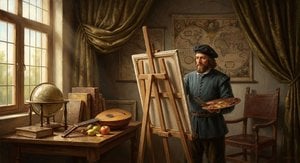
Illuminating Realism: Exploring the Dutch Golden Age of Painting (1600-1700)
Explore the Dutch Golden Age of painting (1600-1700) with ArtsDot. Discover Rembrandt, Vermeer & other masters. Learn about techniques, history & find museum-quality reproductions.