

 Náhled
 Sdílet
 Sdílet
 Podrobnosti o díle

 Stáhnout
 Podobné položky
 Rentgenové snímky
 Slideshow
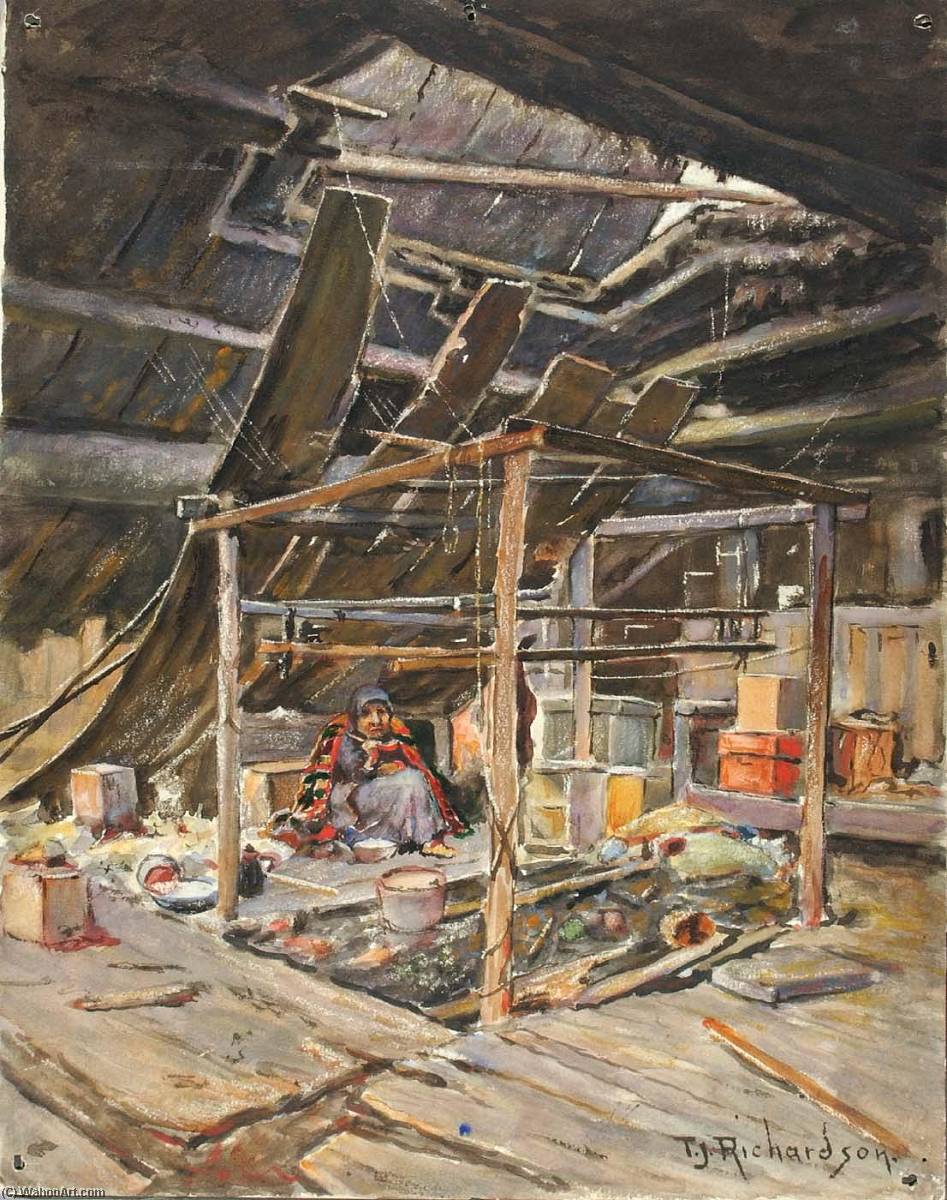
Native Interior
 1914
1914 35.0 x 31.0 cm
 Zobrazit více
Giclée / Umělecký tisk
Giclée nebo plátěný tisk muzeální kvality s rychlou výrobou a flexibilními možnostmi povrchové úpravy. ( Koupit ručně malovaný obraz Koupit obrázek)




































Vyberte si z našich přednastavených velikostí, které odpovídají původním proporcím díla.

Můžete zadat vlastní rozměry tak, aby výtvor odpovídal konkrétnímu rámu nebo prostoru. Pokud zvolená velikost nebude odpovídat poměru stran původního obrazu, dílo buď ořížeme, nebo obraz rozšíříme pomocí zrcadlového efektu či jednobarevného okraje. Před zahájením výroby vám bude zaslán digitální náhled k schválení.
Mějte prosím na paměti, že náhled na obrazovce neodráží skutečné oříznutí nebo rozšíření. Pouze digitální náhled přesně zobrazí finální kompozici.
Ačkoliv jsou k dispozici i vlastní rozměry, pro zachování původních proporcí doporučujeme vybrat si rozměr z předdefinovaného seznamu.
Celosvětové doručení () do 2 týdnů namísto standardních 4/5 týdnů. (16 srpen)

Zdarma celosvětová expresní doprava

Vysoce kvalitní lněné plátno

Kompletní přepravní pojištění

Záruka vrácení celního poplatku

Záruka přesného barevného shodu

60denní lhůta pro vrácení zboží (pouze při vadách výroby)

100% garance vrácení peněz

Sleva při hromadné objednávce
 Skleněná varianta je dostupná pouze u rozměrů menších než 110 cm

Native Interior
Giclée / Umělecký tisk
Rozměry reprodukce
-


Celková cena za výběr
$ 62
Podobná umělecká díla


Biografie umělce
Theodore J. Richardson: A Pioneer of Alaskan Art
Theodore Jerome Richardson (1855-1914) wasn’t merely an artist; he was a chronicler, a witness to a rapidly changing landscape – both geographically and culturally – in the American West. Born in Readfield, Maine, into a family grappling with poverty and religious friction, his early life instilled within him a keen observation of human nature and a deep appreciation for the natural world. This foundation would profoundly shape his artistic vision, leading him to embark on an extraordinary journey that culminated in becoming one of the most significant figures in 19th-century Alaskan art. Richardson’s story is inextricably linked with the burgeoning exploration and settlement of Alaska, and his paintings offer a rare and intimate glimpse into the lives of its indigenous communities and the dramatic beauty of the region.Early Years and Artistic Training
Richardson's formal artistic training began in Boston at the Boston Normal Art School, providing him with the foundational skills necessary for his later work. However, it was his return to Minnesota that proved pivotal. He spent several years teaching art, penmanship, and geometry, honing his observational abilities and developing a methodical approach to representation. Crucially, this period also exposed him to the burgeoning artistic community of Minneapolis, where he began to experiment with watercolor techniques – a medium perfectly suited to capturing the ephemeral qualities of light and atmosphere in the Alaskan wilderness. His early work reflected influences from the Hudson River School, characterized by detailed landscapes and a romanticized view of nature, but it was his experiences in Alaska that would ultimately transform his style.Alaska: A Landscape of Transformation
In 1884, Richardson’s life took an extraordinary turn when he boarded the steamship *Ancon* for a journey to Alaska. This marked the beginning of what would become a lifelong obsession – a series of twenty-four expeditions to the region over the subsequent decades. Unlike many artists who sought to capture the grandeur of the Alaskan wilderness from a distance, Richardson immersed himself in the lives of its native inhabitants, particularly the Tlingit and Haida peoples. He traveled extensively by canoe, often accompanied by indigenous guides, venturing into remote villages and documenting their daily routines, ceremonies, and traditions. His approach was remarkably respectful and collaborative; he sought to understand and portray these communities with sensitivity and accuracy, rather than imposing a Western gaze upon them. Richardson’s paintings of Alaskan scenes are not simply landscapes; they are portraits of a people and a way of life on the cusp of profound change.Style and Technique: Capturing Light and Spirit
Richardson's artistic style evolved significantly throughout his career, reflecting both his growing experience in Alaska and his exposure to European art movements. Initially influenced by the Hudson River School, his work gradually embraced a more impressionistic approach, characterized by loose brushstrokes, vibrant colors, and an emphasis on capturing fleeting moments of light and atmosphere. He was particularly adept at rendering the effects of light on water and ice, creating paintings that shimmer with an almost ethereal quality. His use of watercolor allowed him to achieve remarkable luminosity and transparency, perfectly suited to depicting the delicate beauty of the Alaskan landscape. Furthermore, Richardson’s compositions often incorporated elements of Native art – totem poles, canoes, and intricate patterns – demonstrating his deep respect for indigenous culture.Legacy and Recognition
Despite facing considerable challenges in gaining recognition during his lifetime, Theodore J. Richardson's work has since been celebrated as a vital contribution to American art history. His paintings offer an invaluable record of Alaskan life in the late 19th and early 20th centuries, providing insights into the region’s rich cultural heritage and stunning natural beauty. His Smithsonian contract resulted in over two dozen works that are now housed in museums across North America, including the Minneapolis Institute of Art, the Anchorage Museum, and the Smithsonian Institution. Richardson's legacy extends beyond his artistic achievements; he is remembered as a pioneering explorer, a compassionate observer, and a dedicated advocate for indigenous communities. His paintings continue to inspire awe and wonder, reminding us of the enduring power of art to capture the spirit of a place and its people.
theodore j. richardson
1855 - 1914
Rychlé fakta
- Artistic Movement Or Style: Watercolor, Landscape
- Artists Or Movements Influenced By This Artist: ['American Impressionism']
- Artists Who Influenced This Artist: ['Theodore Clement Steele']
- Date Of Birth: April 5, 1855
- Date Of Death: November 19, 1914
- Full Name: Theodore J. Richardson
- Nationality: American
- Notable Artworks:
- Taku Glacier
- The Three Crows Market
- The Ranch Native Village
- Place Of Birth: Readfield, Maine

