

 Náhled
 Sdílet
 Sdílet
 Podrobnosti o díle

 Stáhnout
 Podobné položky
 Rentgenové snímky
 Slideshow
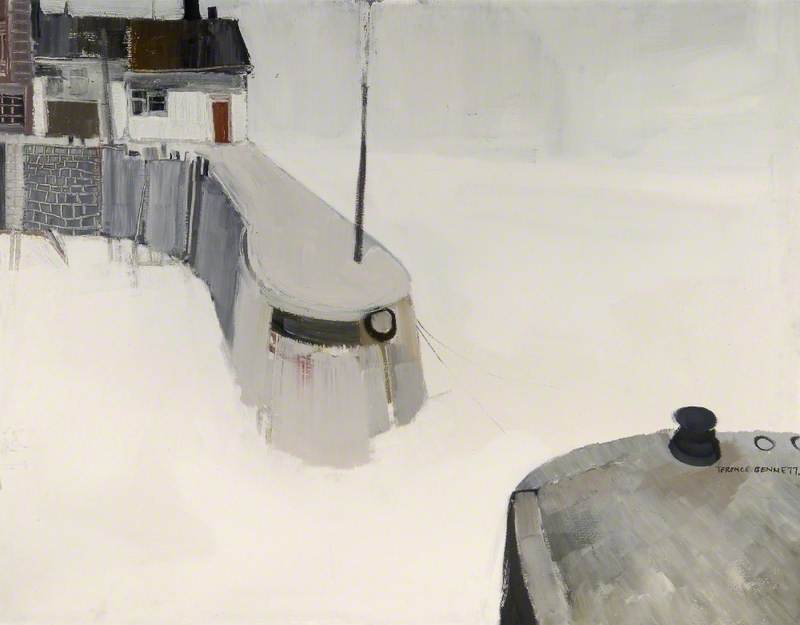
Stone Pier
 28.0 x 36.0 cm
 Zobrazit více
Giclée / Umělecký tisk
Giclée nebo plátěný tisk muzeální kvality s rychlou výrobou a flexibilními možnostmi povrchové úpravy. ( Přepnout na ručně malovanou reprodukci Přepnout na obrázek)




































Vyberte si z našich přednastavených velikostí, které odpovídají původním proporcím díla.

Můžete zadat vlastní rozměry tak, aby výtvor odpovídal konkrétnímu rámu nebo prostoru. Pokud zvolená velikost nebude odpovídat poměru stran původního obrazu, dílo buď ořížeme, nebo obraz rozšíříme pomocí zrcadlového efektu či jednobarevného okraje. Před zahájením výroby vám bude zaslán digitální náhled k schválení.
Mějte prosím na paměti, že náhled na obrazovce neodráží skutečné oříznutí nebo rozšíření. Pouze digitální náhled přesně zobrazí finální kompozici.
Ačkoliv jsou k dispozici i vlastní rozměry, pro zachování původních proporcí doporučujeme vybrat si rozměr z předdefinovaného seznamu.
Celosvětové doručení () do 2 týdnů namísto standardních 4/5 týdnů. (11 srpen)

Zdarma celosvětová expresní doprava

Vysoce kvalitní lněné plátno

Kompletní přepravní pojištění

Záruka vrácení celního poplatku

Záruka přesného barevného shodu

60denní lhůta pro vrácení zboží (pouze při vadách výroby)

100% garance vrácení peněz

Sleva při hromadné objednávce
 Skleněná varianta je dostupná pouze u rozměrů menších než 110 cm

Stone Pier
Giclée / Umělecký tisk
Rozměry reprodukce
-


Celková cena za výběr
$ 62
Biografie umělce
Terence Bennett: A Quiet Master of English Landscapes
Terence Bennett, born in Doncaster, Yorkshire, in 1935, is a British artist whose quietly evocative landscapes have earned him a devoted following and a place as a significant figure in contemporary rural art. While not always commanding the headlines of the art world, Bennett’s work possesses a subtle power—a deep understanding of light, texture, and the inherent beauty of the English countryside that speaks volumes without resorting to grand gestures or dramatic pronouncements. His paintings aren't about shouting; they whisper stories of quiet lives, timeless routines, and the enduring connection between humanity and nature.
Bennett’s artistic journey began modestly. He attended local art school in Doncaster from 1951 to 1956, a period that provided him with foundational skills but ultimately led him away from formal training. After serving his National Service, he found employment as a teacher, a profession he continued until 1971 when he made the pivotal decision to dedicate himself entirely to painting. This shift proved transformative, allowing him to fully explore his artistic vision and develop a distinctive style rooted in meticulous observation and a deep respect for the subject matter.
The Palette of Rural England
Bennett’s paintings are overwhelmingly focused on scenes from rural Yorkshire and surrounding counties – Northumberland, Durham, and Lancashire. He is perhaps most renowned for his depictions of “canal cottages,” small, weathered dwellings nestled along the waterways that crisscross the region. These aren't romanticized visions; they are honest portrayals of working-class life, capturing the simple routines and enduring spirit of those who lived and worked alongside these canals. His subjects also frequently include North Bridge, a landmark in Durham, and various scenes from Whitby, reflecting his deep connection to the landscape.
Technically, Bennett’s work is characterized by a restrained palette—muted greens, browns, greys, and blues dominate his canvases. He masterfully employs layering techniques, building up thin washes of color to create a sense of depth and atmosphere. His brushwork is often loose and expressive, yet always controlled, conveying both the texture of the weathered stone walls and the subtle shifts in light across the fields. There’s an almost photographic quality to his work, but it's tempered by a distinctly painterly sensibility – a deliberate avoidance of sharp lines or overly precise details.
Influences and Development
While Bennett resisted formal artistic training, his influences are discernible. He cites Constable as a key inspiration, particularly in his ability to capture the fleeting effects of light and atmosphere. The Yorkshire School of Art, where he briefly studied, also played a role, exposing him to the regional traditions of landscape painting. However, Bennett’s style quickly evolved beyond mere imitation, developing into something uniquely his own – a quiet, contemplative voice within the broader tradition of English rural art.
A significant turning point in his career came with the Yorkshire Art Fellowship in 1973. This award provided him with invaluable time and resources to develop his practice, culminating in his appointment as head of art at Thomas Rotherham College in Rotherham. This role allowed him to continue painting while also teaching, further solidifying his reputation within the local artistic community.
Legacy and Significance
Terence Bennett’s work is often overlooked by mainstream critics, yet it possesses a quiet dignity and enduring appeal. His paintings offer a poignant glimpse into a disappearing way of life – the rhythms of rural England, the lives of ordinary people, and the beauty of the natural world. His meticulous attention to detail, combined with his understated emotional resonance, ensures that his landscapes will continue to resonate with viewers for generations to come.
Recent sales through auction houses like David Duggleby demonstrate continued interest in his work, confirming his place as a respected and valued artist within the British art scene. His paintings are not merely representations of scenery; they are windows into a world of quiet contemplation and enduring beauty – a testament to the power of observation and the timeless appeal of the English countryside.

terence bennett
1935 -
Rychlé fakta
- Artistic Movement Or Style: Landscape Painting
- Date Of Birth: 1935
- Full Name: Terence Bennett
- Nationality: British
- Notable Artworks:
- Canal Cottages
- Disused Mine
- Whitby from Church
- Place Of Birth: Doncaster, UK

