

 Náhled v interiéru
 Sdílet
 Sdílet
 Podrobnosti o díle
 Průvodce

 Stáhnout
 Podobné položky
 Rentgenové snímky
 Slideshow
 Q&A
Q&A Statistiky
Unititled


 Zobrazit více
Umělecké dílo zobrazené na této stránce je chráněno autorským zákonem, což znamená, že nemůžeme legálně vytvářet ani prodávat jeho identickou reprodukci. Tato ochrana je vymáhána na základě mezinárodních dohod, jako například Berberská úmluva a národními zákony, včetně těch stanovených v Americký autorský zákon – Díl 17. Všechna práva vyhrazena.
Tato metoda je plně v souladu s autorským právem, protože nezahrnuje kopírování ani duplikování chráněného díla. Jde o kreativní reinterpretaci – nový obraz, který je inspirován originálem, ale není s ním identický.
Giclée / Umělecký tisk
Giclée nebo plátěný tisk muzeální kvality s rychlou výrobou a širokou nabídkou povrchových úprav. ( Koupit ručně malovaný obraz Přepnout na digitální obraz)




P118B Kč10

P118H Kč10

P118W Kč10

P438Z Kč10

P508JH Kč12

P508YH Kč12

P805H Kč10

P805Z Kč10

P919BZ Kč10

P919G Kč10

P919XJ Kč10

P959ZH Kč10

P968JZ Kč12

W106C Kč8

W218G Kč10

W218JH Kč8

W218Y Kč10

W307PJ Kč10

W316G Kč10

W316PJ Kč8

W316Y Kč10

W398PJ Kč8

W4111J Kč10

W500HY Kč15

W500JH Kč15

W692G Kč12

W849H Kč8

W940BG Kč15

W953PJ Kč8




Vyberte si z našich přednastavených velikostí, které odpovídají původním proporcím díla.

Zadejte šířku a výšku, které potřebujete pro váš rám nebo stěnu. Tisk lze pouze oříznout, nikdy však nelze zvětšit obraz nad jeho původní rozměr, proto při výběru jiného formátu dochází ke ztrátě části obrazu. Před samotným tiskem vám zašleme digitální náhled k schválení. Obraz zobrazený na této stránce nenabízí skutečný výřez — ten uvidíte pouze v náhledu.
Celosvětové doručení () do 2 týdnů namísto standardních 4/5 týdnů. (2 listopad)

Zdarma celosvětová expresní doprava

Vysoce kvalitní lněné plátno

Kompletní pojištění přepravy

Záruka vrácení celního poplatku

Záruka věrného barevného souladu

100dení lhůta pro vrácení zboží (pouze při vadách výroby)

100% záruka vrácení peněz

Sleva při více objednávkách
 Skleněná varianta je dostupná pouze u rozměrů menších než 110 cm

Unititled
Giclée / Umělecký tisk
Rozměry reprodukce
-


Celková cena za vybrané možnosti reprodukcí
Kč 1346
A Moment Frozen in Time: The Quietude of War
In the evocative depths of this monochromatic masterpiece, we are transported to a moment of profound stillness amidst the turbulence of history. Created in 1951 by Technical Sergeant Norval E. Packwood, Jr., this untitled work serves as a hauntingly beautiful window into the lives of those stationed during the Korean War. The scene captures a group of individuals gathered within a room, perhaps a mess hall or a communal gathering space, where the heavy atmosphere of military life meets the simple, human necessity of companionship. Through the masterful use of light and shadow, Packwood invites us to sit at these very tables, feeling the weight of the era and the quiet tension that exists between moments of respite and the call to duty.
The composition is a delicate dance of figures and furniture, where the arrangement of chairs and dining tables creates a sense of structured intimacy. As eyes wander across the canvas, one notices the subtle interplay of textures—the stark contrast of light hitting a tabletop against the deep, velvety blacks of the shadows. This technique does more than just define form; it builds an emotional landscape. The presence of a clock on the wall acts as a silent sentinel, a poignant symbol of the passing time and the uncertain future awaiting those in uniform. It is a piece that speaks to the universality of the human condition, finding beauty in the mundane even when surrounded by the specter of conflict.
The Hand of a Combat Artist
To understand this work, one must understand the soul of its creator. Norval “Gene” Packwood, Jr. was not merely an observer; he was a witness. Having served in the Marine Corps during both World War II and the Korean War, his art is imbued with an authenticity that only comes from lived experience. His training at the Art Institute of Chicago provided him with the technical prowess to execute such detailed realism, yet it was his deployment to Korea that gave his work its heartbeat. This drawing reflects a sophisticated command of line and tonal gradation, characteristic of a skilled commercial artist turned combat chronicler.
For the discerning collector or interior designer, this reproduction offers more than just aesthetic value; it offers a narrative of resilience. The monochromatic palette lends itself perfectly to sophisticated, modern, or even classic historical decor, allowing it to serve as a focal point in a room that values depth and storytelling. It is an ideal acquisition for those who seek art that transcends mere decoration, providing a conversation piece that honors the dignity of the human spirit during times of great upheaval. Bringing this work into a space invites a sense of contemplative history, making it a timeless addition to any curated collection.
Otázky a odpovědi
Mohu si prohlédnout „Unititled“ od Technical Sergeant Norval E. Packwood, Jr. Usmc pod jiným osvětlením?
X-ray pohled na dílo „Unititled“ od Technical Sergeant Norval E. Packwood, Jr. Usmc naleznete na stránce Rentgenové snímky: jde o interaktivní prohlídku obrazu skrze jedenáct optických vrstev.
Jakým způsobem se dílo „Unititled“ vpisuje do celkové tvorby umělce Technical Sergeant Norval E. Packwood, Jr. Usmc?
V rámci tvorby umělce Technical Sergeant Norval E. Packwood, Jr. Usmc se dílo „Unititled“ řadí do stylu Contemporary Realism a doplňuje tak motivy korean war documentation, military history preservation, combat art realism, documenting wartime life, marine corps history.
Jaké je místo díla „Unititled“ mezi opakovanými tématy umělce Technical Sergeant Norval E. Packwood, Jr. Usmc?
„Unititled“ zachycuje military gathering, korean war, people at table, historical scene, black and white, social interaction, marine corps, zatímco v díle umělce Technical Sergeant Norval E. Packwood, Jr. Usmc se setkáváme s tématy jako korean war documentation, military history preservation, combat art realism, documenting wartime life, marine corps history. Porovnání těchto dvou aspektů odhaluje, jak toto dílo navazuje na obvyklá témata tohoto autora.
Podobná díla


Biografie umělce
The Eye of the Storm: The Life and Legacy of Norval E. Packwood, Jr.
Born in the quiet landscape of Dona Vista, New Mexico, on November 18, 1923, Norval E. Packwood, Jr.—known to many as “Gene”—possessed a spirit that would eventually find its most profound expression amidst the turbulence of mid-century warfare. His journey from a childhood nurtured by his father’s passion for art to the front lines of global conflict is a testament to the power of the witness. Early influences played a pivotal role in shaping his hand; his father, Gene Sr., instilled in him a foundational love for drawing and painting that would later serve as his most vital tool for historical preservation. This early training provided the technical scaffolding upon which he would build a career defined by both artistic precision and immense courage.
Packwood’s life was irrevocably altered by the call of duty. Enlisting in the United States Marine Corps in 1942, he served during the harrowing years of World War II aboard the USS Boise (CVE-76). It was within the steel confines of naval vessels and the vast, uncertain reaches of the Pacific that his worldview began to coalesce around a singular mission: to document the human experience of war. This conviction reached its zenith during the Korean War, where Packwood transitioned from a soldier to a combat artist. Volunteering for the Combat Artist Program alongside fellow artist Fred Lasswell, he helped establish Leatherneck Studios in Arlington, Virginia. Through this studio, he and Lasswell produced iconic illustrations that did more than merely record troop movements; they captured the very soul of the conflict.
Mastery of the Medium: Realism and the Korean Landscape
The artistry of Packwood is characterized by a meticulous realism that eschews the sensational for the profound. He possessed a rare ability to find the quietude within the chaos, utilizing watercolor to evoke the atmospheric weight of the Korean Peninsula. His technique was not merely about the replication of form, but about the mastery of light and shadow to convey psychological depth. In his works, one does not simply see a landscape; one feels the biting chill of the terrain and the heavy silence of the moments between battles.
His portfolio serves as a poignant gallery of the human condition during wartime. Notable pieces include:
- Crow: A hauntingly beautiful depiction where a Marine observes the Korean landscape, bridging the gap between the observer and the observed.
- Untitled (1951): A monochromatic masterpiece that captures a group of individuals in a communal space, illustrating the profound need for companionship amidst the tension of military life.
- Bn Forward Aid Station: A work that brings the visceral reality of medical care on the front lines into sharp, empathetic focus.
Through his use of watercolor, Packwood could blend hues to create a sense of atmosphere that felt both immediate and eternal. His compositions often focused on the "everyday"—the small, human moments of respite, contemplation, and camaraderie—which served to highlight the psychological toll endured by servicemen. By focusing on these intimate vignettes, he elevated the combat artist's role from mere reporter to a chronicler of the human spirit.
A Legacy of Preservation
Beyond his immediate contributions to wartime illustration, Packwood’s significance lies in his lifelong commitment to historical memory. After his active duty, his career expanded into the realms of commercial art and direction, running his own company, Design Direction, and working for various newspapers. Yet, the shadow of his combat years always remained a guiding light. His work remains an essential archive for the National Museum of the Marine Corps, ensuring that the stories of the Korean War are not lost to the passage of time.
The historical significance of Norval E. Packwood, Jr. cannot be overstated. He stood at the intersection of art and history, using his brush as both a shield and a lens. In an era of rapid technological change, his hand-painted records provide a tactile, emotional connection to a generation of Marines that digital imagery can rarely replicate. He remains a celebrated figure whose work continues to invite viewers to sit at the tables of the past, feeling the weight of duty and the enduring strength of the human heart.

Technical Sergeant Norval E. Packwood, Jr. Usmc
United States of America
Rychlé informace o umělci
- Full Name: Norval E. Packwood Jr.
- Nationality: American
- Date Of Birth: Dona Vista
- Place Of Birth: Dona Vista, United States of America
- Notable Artworks:
- Crow
- Unititled
- Untitled
- Artistic Movement Or Style: Realism
- Artists Or Movements Influenced By This Artist: ['Leatherhead in Korea']
Související články
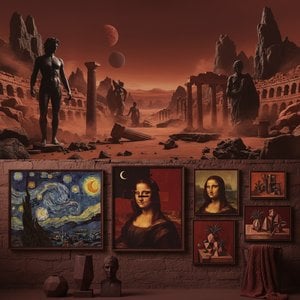
Top 10 slavných obrazů v odstínech černé – Umění a dekor s ArtsDot
Prozkoumejte 10 nejslavnějších obrazů ovládaných odstíny černé. Objevte příběhy za uměleckými díly, techniky a inspiraci ikonických mistrů. Reprodukce obrazů s ArtsDot – luxusní dekorace pro váš domov. Prohlédněte si celou kolekci online!
The Subtleties of White: Exploring Absence, Light & Symbolism in Art History
Explore the profound symbolism & history of white in art! From ancient purity to modern abstraction, discover how artists have used absence & light. Expert insights from ArtsDot.

Monochrome Visions: Exploring the Aesthetic & Historical Significance of Black & White Photography
Explore the rich history & artistic power of black and white photography. From early techniques to iconic masters like Ansel Adams, discover why monochrome continues to captivate art lovers today. Expert insights for collectors.

Top 10 slavných obrazů vládnutých bílou barvou – Umění a inspirace pro interiér
Objevte top 10 slavných obrazů, kde bílá barva hraje klíčovou roli. Claude Monet, Van Gogh a další mistři! Inspirace pro váš interiér a reprodukce umění nejvyšší kvality na ArtsDot.com.

Top 10 slavných obrazů s dominantní černou barvou | ArtsDot.cz
Prozkoumejte 10 nejslavnějších obrazů s dominantní černou barvou od Van Gogha, Muncha a dalších mistrů. Objevte příběhy za uměleckými díly, techniky a inspiraci. Reprodukce obrazů nejvyšší kvality na ArtsDot.com.