


 Zobrazit v interiéru
 Odeslat
 Sdílet
 Podrobnosti
 Průvodce

 Stáhnout obrázek
 Podobné kousky
 Rentgenové snímky
 Slideshow
 Statistiky
Miss Murray
 Oil
Oil- WallArt
- Romanticism
 1826
1826- 19th Century
 136.0 x 108.0 cm
 English Heritage
 Přečíst si více
Ručně malovaná olejová reprodukce
Ručně malované olejné plátno v libovolném rozměru i s rámem, vyrobené našimi umělci na zakázku. ( Přepnout na tiskové verze Přepnout na digitální verzi obrazu)




P118B $10

P118H $10

P118W $10

P438Z $10

P508JH $12

P508YH $12

P805H $10

P805Z $10

P919BZ $10

P919G $10

P919XJ $10

P959ZH $10

P968JZ $12

W106C $8

W218G $10

W218JH $8

W218Y $10

W307PJ $10

W316G $10

W316PJ $8

W316Y $10

W398PJ $8

W4111J $10

W500HY $15

W500JH $15

W692G $12

W849H $8

W940BG $15

W953PJ $8




Vyberte si z našich přednastavených velikostí, které odpovídají původním proporcím díla.

Můžete zadat vlastní rozměry pro konkrétní rám nebo prostor. Pokud se vámi vybraná velikost neshoduje s proporcemi původního obrazu, dílo buď ořízneme, nebo jej doplníme ručně malovanými prvky. Před zahájením výroby vám bude zaslán digitální náhled ke schválení.
Upozorňujeme, že náhled na obrazovce neodpovídá skutečnému ořezu ani rozšíření. Pouze digitální náhled přesně zobrazí finální kompozici.
Ačkoliv je možné zvolit vlastní velikost, pro zachování původních proporcí doporučujeme vybrat rozměr z předdefinovaného seznamu.
Po přijetí objednávky vám tým ArtsDot.com zašle e-mail s pokyny a poskytne náhledovou verzi.
Celosvětová doprava () za 3–4 týdny namísto standardních 5 týdnů. (22 září). Bez kompromisů v kvalitě.

Zdarma celosvětová expresní doprava

Vysoce kvalitní lněné plátno

Úplné pojištění přepravy

Záruka vrácení celního poplatku

Záruka věrného barevného shodu

100dení lhůta pro vrácení zboží (pouze při vadách výroby)

100% garance vrácení peněz

Sleva při více objednávkách
 Skleněná varianta je dostupná pouze u rozměrů menších než 110 cm

Miss Murray
Technika provedení
Velikost reprodukce
-


Celková cena
$ 263
A Vision of Regency Innocence
In the delicate brushstrokes of Sir Thomas Lawrence’s Miss Murray, we encounter more than just a portrait; we step into the luminous, idealized world of the British Regency era. The painting captures a young girl, poised with an effortless grace that belies her years, dressed in a pristine white gown that seems to radiate its own soft light. As she stands upon a rustic dirt path, the contrast between her refined, aristocratic attire and the unrefined earth beneath her feet creates a poignant tension—a hallmark of the Romantic movement’s fascination with the intersection of civilization and nature. Her black hat, structured and elegant, frames a face filled with the quiet curiosity of childhood, while the subtle presence of a fan or parasol suggests a formal occasion, perhaps a summer promenade through a grand estate.
The composition is masterfully balanced, drawing the eye toward the subject’s luminous skin and the intricate textures of her clothing. Lawrence, a virtuoso of the medium, utilizes a technique that blends meticulous anatomical precision with a fluid, almost atmospheric handling of light. The background, a soft tapestry of verdant trees and dappled sunlight, does not merely serve as a setting but acts as an emotional extension of the subject herself. This naturalistic backdrop provides a sense of depth and tranquility, enveloping the young girl in a protective, pastoral embrace that evokes feelings of nostalgia and peace.
The Mastery of Sir Thomas Lawrence
To understand the brilliance of Miss Murray, one must consider the hand of its creator. Sir Thomas Lawrence was not merely a painter; he was the definitive chronicler of his age, a man whose talent allowed him to capture the very soul of the Regency elite. Having risen from a child prodigy in Bristol to the presidency of the Royal Academy, Lawrence possessed an unparalleled ability to imbue his subjects with both status and vitality. In this particular work, we see his signature ability to manipulate light—a skill honed during his early years working with pastels—to create a sense of "inner glow" within his sitters.
His technique in Miss Murray demonstrates a sophisticated command over tonal gradations. The way the white fabric of her dress catches the sunlight, transitioning from brilliant highlights to soft, cool shadows, showcases a level of technical mastery that continues to inspire collectors and art enthusiasts alike. There is a rhythmic quality to his brushwork; it is confident yet delicate, ensuring that the fine details—the lace, the texture of the hat, the gentle movement of her hands—are rendered with breathtaking clarity without ever sacrificing the overall painterly harmony of the piece.
An Enduring Legacy for the Modern Collector
For the discerning interior designer or the passionate art collector, a reproduction of Miss Murray offers much more than aesthetic beauty; it brings a sense of historical weight and timeless elegance to any space. The painting’s palette—dominated by whites, soft greens, and deep blacks—is remarkably versatile, allowing it to anchor a room with a sense of classical sophistication. Whether placed in a sun-drenched morning room or a more formal study, the artwork serves as a window into a bygone era of splendor and refinement.
Beyond its decorative value, the emotional resonance of the piece is profound. It invites contemplation on the fleeting nature of youth and the enduring beauty of innocence. In an age often characterized by rapid change and digital noise, the quiet, steady presence of Lawrence’s subject offers a sanctuary of calm. Owning a high-quality reproduction of this masterpiece allows one to preserve this moment of Regency splendor, making it a centerpiece that speaks of culture, history, and an unwavering appreciation for the fine arts.
Související díla


Biografie umělce
A Brushstroke of Regency Splendor: The Life and Art of Sir Thomas Lawrence
Sir Thomas Lawrence, born in Bristol in 1769 amidst the vibrant bustle of a port city, emerged as one of the most celebrated portrait painters of his era. His early life was marked by a restless spirit – following his father’s itinerant career as an innkeeper through Devizes and finally settling in the elegant spa town of Bath. It was within these convivial settings that young Lawrence first discovered his extraordinary talent for capturing likeness, initially sketching portraits for patrons at the local inns, a skill honed without formal training but fueled by innate observation and a remarkable ability to discern character. Even then, it was clear he possessed an entrepreneurial drive alongside his artistic gift; he supported his family through pastel portrait commissions while still in his youth, demonstrating a self-reliance that would define his entire career. This early independence fostered a unique perspective, shaping his approach to art and his relationships with the aristocratic figures who became his patrons.Ascension to Portraiture’s Pinnacle
The move to London at the tender age of eighteen marked a dramatic shift in Lawrence's trajectory, propelling him into the heart of Regency society. He swiftly established himself as a portrait painter in oils, quickly securing his first royal commission – a captivating portrait of Queen Charlotte in 1789 – an event that catapulted him to immediate fame and solidified his position within London’s elite circles. Lawrence's genius lay not merely in technical skill but in his uncanny ability to capture *character*, imbuing his subjects with a sense of presence, charm, and often, a flattering yet insightful portrayal. He became renowned for his mastery of capturing the glamour and sophistication of the Regency era, painting a dazzling array of nobility, royalty, and prominent figures – each portrait imbued with a distinctive virtuosity that drew comparisons to Sir Joshua Reynolds, whom he deeply admired. His election as an associate, then full member, of the Royal Academy in 1791 and 1794 respectively cemented his position within the established art world, signifying recognition from his peers and solidifying his reputation as one of Britain’s leading artists.Patronage, Prestige, and the Waterloo Chamber
The patronage of the Prince Regent (later King George IV) proved to be a pivotal moment in Lawrence's career. Recognizing his exceptional talent and unwavering dedication, the Prince commissioned him for a monumental undertaking: the creation of portraits of allied leaders for the Waterloo Chamber at Windsor Castle. This ambitious project demanded not only technical brilliance but also an understanding of diplomacy and historical significance. Lawrence meticulously researched each subject, capturing their gravitas and commanding presence with remarkable skill. The resulting portraits – a series of large-scale canvases depicting figures such as Napoleon, Wellington, and other key leaders – became a centerpiece of the Waterloo Chamber, showcasing Lawrence’s ability to handle complex compositions and convey the weight of history. This commission brought him widespread acclaim throughout Europe, further enhancing his reputation and solidifying his status as a court painter of distinction.A Legacy Tempered by Complexity
Despite his considerable success and the admiration he garnered from the elite circles of London society, Lawrence’s life was not without its complexities. He struggled with persistent financial difficulties throughout much of his career, often burdened by debt despite earning substantial sums through his commissions. His personal life was marked by a series of tumultuous relationships, most notably with Sally and Maria Siddons, daughters of the celebrated actress Sarah Siddons – connections that provided inspiration but also brought heartache and scandal to his private world. Furthermore, Lawrence’s sitters reflected the social realities of Regency England, including both slave owners and abolitionists, highlighting the moral ambiguities inherent in a society grappling with issues of power, wealth, and justice. His reputation experienced a decline during the Victorian era as tastes shifted towards more didactic art forms, yet his legacy has been partially restored through renewed appreciation for his technical skill and captivating portrayal of the Regency period.Influences and Enduring Impact
Lawrence’s artistic development was profoundly shaped by Sir Joshua Reynolds, whose emphasis on capturing character and employing a fluid brushstroke resonated deeply with the young artist. He diligently studied Old Master drawings, particularly those by Michelangelo and Raphael, absorbing their anatomical precision and compositional mastery. While firmly rooted in tradition, Lawrence's work also reflected the emerging Romantic sensibilities of his time, embracing glamour, emotional intensity, and a fascination with the dramatic. His influence can be seen in the works of later portrait painters who sought to emulate his style and capture the spirit of an era. Though he faced personal struggles and a decline in popularity during the Victorian period, Sir Thomas Lawrence’s legacy endures as one of Britain's most accomplished and captivating portraitists – a testament to his talent, charm, and enduring contribution to the world of art.
Tomáš Lawrence
1769 - 1830 , Spojojené království
Rychlé informace
- Artistic Movement Or Style: Regency portrét
- Artists Or Movements Influenced By This Artist: ['Romantismus']
- Artists Who Influenced This Artist: ['Joshua Reynolds']
- Date Of Birth: 13. dubna 1769
- Date Of Death: 7. ledna 1830
- Full Name: Sir Thomas Lawrence
- Nationality: Britský
- Notable Artworks:
- Portrét Charlotte
- Váluverské portréty
- Place Of Birth: Bristol, UK
Související články

Sir Thomas Lawrence: Portraiture, Power & Regency Society's Aesthetics
Explore the captivating world of Sir Thomas Lawrence, Regency England's premier portraitist. Discover his artistic techniques, powerful representations of society, and enduring legacy. Expert insights for discerning art collectors.

Sir Francis Grant: Portraiture, Patronage & Victorian Society
Explore the life & work of Sir Francis Grant, a leading Victorian portraitist. Discover his aristocratic clientele, role at the Royal Academy, and enduring artistic legacy. Learn about art patronage in 19th-century Britain.

Thomas Phillips: Portraiture, Patronage & the Rise of Victorian Society Art
Explore the life & work of Thomas Phillips (1770-1845), a leading Victorian portrait painter renowned for his captivating portrayals of Britain's 'men of genius'. Discover his artistic journey, patronage, and lasting legacy.

Top 10 uměleckých děl vyzařujících elegancí – inspirace pro váš interiér | ArtsDot.com
Objevte 10 ikonických uměleckých děl vyzařujících elegancí – od Moneta po Rembrandta. Inspirace pro luxusní interiér a reprodukce obrazů nejvyšší kvality na ArtsDot.com. Prozkoumejte celou kolekci online!
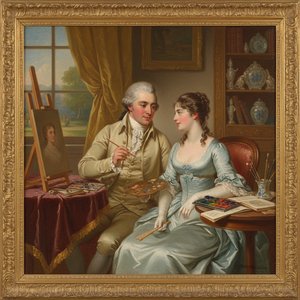
Richard Cosway: Capturing Regency Elegance & Intimacy Through Portraiture
Explore the captivating world of Richard Cosway, Regency society's celebrated portrait miniaturist. Discover his exquisite art, aristocratic patrons & lasting legacy with ArtsDot.


