


 Náhled
 Sdílet
 Sdílet
 Podrobnosti o díle

 Stáhnout
 Podobné položky
 Rentgenové snímky
 Slideshow
DOGS PLAYING
 Traditional Chinese Painting
 77.0 x 35.0 cm
 Zobrazit více
Ručně malovaná olejová reprodukce
Ručně malovaná olejná barva na plátně ve vašem zvoleném rozměru i s rámem, vyrobená našimi umělci na zakázku. ( Koupit tisk Koupit obrázek)




































Vyberte si z našich přednastavených velikostí, které odpovídají původním proporcím díla.

Můžete zadat vlastní rozměry pro konkrétní rám nebo prostor. Pokud se vámi vybraná velikost neshoduje s proporcemi původního obrazu, dílo buď ořízneme, nebo jej doplníme ručně malovanými prvky. Před zahájením výroby vám bude zaslán digitální náhled ke schválení.
Upozorňujeme, že náhled na obrazovce neodpovídá skutečnému ořezu ani rozšíření. Pouze digitální náhled přesně zobrazí finální kompozici.
Ačkoliv je možné zvolit vlastní velikost, pro zachování původních proporcí doporučujeme vybrat rozměr z předdefinovaného seznamu.
Po přijetí objednávky vám tým ArtsDot.com zašle e-mail s pokyny a poskytne náhledovou verzi.
Celosvětová doprava () za 3–4 týdny namísto standardních 5 týdnů. (4 září). Bez kompromisů v kvalitě.

Zdarma celosvětová expresní doprava

Vysoce kvalitní lněné plátno

Kompletní přepravní pojištění

Záruka vrácení celního poplatku

Záruka přesného barevného shodu

60denní lhůta pro vrácení zboží (pouze při vadách výroby)

100% garance vrácení peněz

Sleva při hromadné objednávce
 Skleněná varianta je dostupná pouze u rozměrů menších než 110 cm

DOGS PLAYING
Technika reprodukce
Rozměry reprodukce
-


Celková cena za výběr
$ 263
Podobná umělecká díla


Biografie umělce
The Celestial Dog and the Flowering Brush
In the grand tapestry of the Qing Dynasty, few threads shimmer with as much delicate brilliance as the artistry of Shen Quan. Known by his courtesy name Nanpin and the evocative sobriquet Hengzhai—signifying "Harmony" and "Quietude"—Shen was far more than a mere painter of nature; he was a visionary who bridged the gap between meticulous scientific observation and poetic expression. Born in Deqing, Zhejiang Province, around 1682, his life unfolded during an era of profound cultural fluidity, where the boundaries between China and Japan were porous enough to allow for a monumental exchange of aesthetic ideals.
Shen’s early years were defined by a rigorous pursuit of mastery. Under the tutelage of masters such as Bian Jingzhao, a specialist in landscape realism, and the skilled Lü Ji, Shen developed a foundational technique that prioritized the true essence of his subjects. This training instilled in him a reverence for the natural world that transcended simple decoration. He did not merely seek to paint a flower; he sought to understand its anatomy, its texture, and the way light interacts with its petals. This dedication to accuracy transformed his work into a form of visual inquiry, where every brushstroke served as an act of botanical and zoological documentation.
A Bridge Between Empires
The most transformative chapter of Shen Quan’s life began in 1731, when he was invited to Japan by a high-ranking official. Arriving in Nagasaki with only two students, he would soon find himself at the heart of a burgeoning artistic revolution. His presence in Japan during the Edo period acted as a catalyst for change, as his "flora and fauna decorative painting" style captivated local audiences. This method—characterized by a striking contrast between bold, ink-heavy brushwork for rocks and trees and the incredibly fine, colorful application of pigment for birds and blossoms—became a hallmark of his legacy.
Even after returning to China in 1733, Shen’s influence remained anchored in Japanese soil. He continued to send works back to his former students and patrons, ensuring that his stylistic innovations took deep root in the Japanese consciousness. The impact of his "Nanpin school" can be traced through generations of Japanese masters, influencing legendary figures such as Katsushika Hokusai, Maruyama Ōkyo, and Ganku. Through these connections, Shen Quan’s aesthetic became a shared language of beauty that transcended national borders.
Symbolism and the Art of Observation
To gaze upon a Shen Quan masterpiece is to enter a world where every element carries a weight of profound meaning. His works often utilize classical motifs to convey deep-seated cultural values:
- Longevity and Immortality: Through the depiction of cranes, peach trees, and lingzhi fungus, he invoked wishes for eternal life and enduring strength.
- Vitality and Nature: His use of vibrant colors for butterflies and flowers against the rugged, monochromatic textures of stone creates a dynamic tension between the ephemeral and the eternal.
- Scientific Realism: By integrating observations from botanical treatises, he elevated the bird-and-flower genre from mere ornament to a sophisticated synthesis of art and natural science.
Ultimately, the historical significance of Shen Quan lies in his ability to harmonize the scientific with the spiritual. He captured the "three-dimensional" reality of the natural world while maintaining the ethereal grace required of classical Chinese painting. His legacy remains etched in the vibrant petals and lifelike plumage of his scrolls, reminding us that true art is found when the observant eye meets an inspired heart.

shen quan
1682 - 1760
Rychlé fakta
- Artistic Movement Or Style: Bird-flower painting
- Artists Or Movements Influenced By This Artist:
- Hokusai
- Fengshen Yanyi
- Artists Who Influenced This Artist:
- Bian Jingzhao
- Lu Ji
- Date Of Death: 1760
- Full Name: Shen Quan
- Nationality: Chinese
- Notable Artworks: ['Cranes, peach tree, and China rose']
- Place Of Birth: Deqing, Zhejiang Province
Související články

10 legendárních akvarelů, které změnily svět umění | ArtsDot
Objevte 10 legendárních akvarelů od Turner, Monet a dalších mistrů! Ponořte se do historie umění a inspirujte se pro váš interiér. Kvalitní reprodukce na ArtsDot.com.

Ephemeral Visions: Exploring the Artistic Legacy & Contemporary Practice of Watercolor Painting
Explore the captivating world of watercolor painting! Discover its rich history, essential techniques, influential artists & collecting tips. A comprehensive guide for art enthusiasts from ArtsDot.

Ephemeral Visions: Exploring the History & Emotional Resonance of Watercolor Painting
Explore the captivating history of watercolor painting, from ancient techniques to modern masters like Kandinsky & Blake. Discover essential artists, collecting tips & the emotional power of this luminous medium. Expert insights for art enthusiasts.
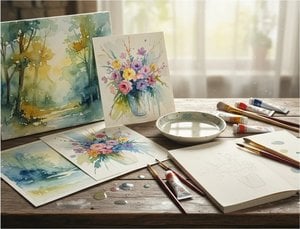
Ephemeral Visions: Exploring the Artistic Legacy & Nuances of Watercolor Painting
Explore the captivating world of watercolor painting! Discover its rich history, essential techniques, influential artists & collecting tips from art experts. A comprehensive guide for enthusiasts.

Nadčasová přitažlivost akvarelu: Historie, techniky a současná praxe
Prozkoumejte fascinující svět akvarelu! Historie, techniky a tipy od odborníků. Naučte se malovat akvarelem jako profesionál a objevte inspiraci v současném umění.

