

 Náhled
 Sdílet
 Sdílet
 Podrobnosti o díle

 Stáhnout
 Podobné položky
 Rentgenové snímky
 Slideshow
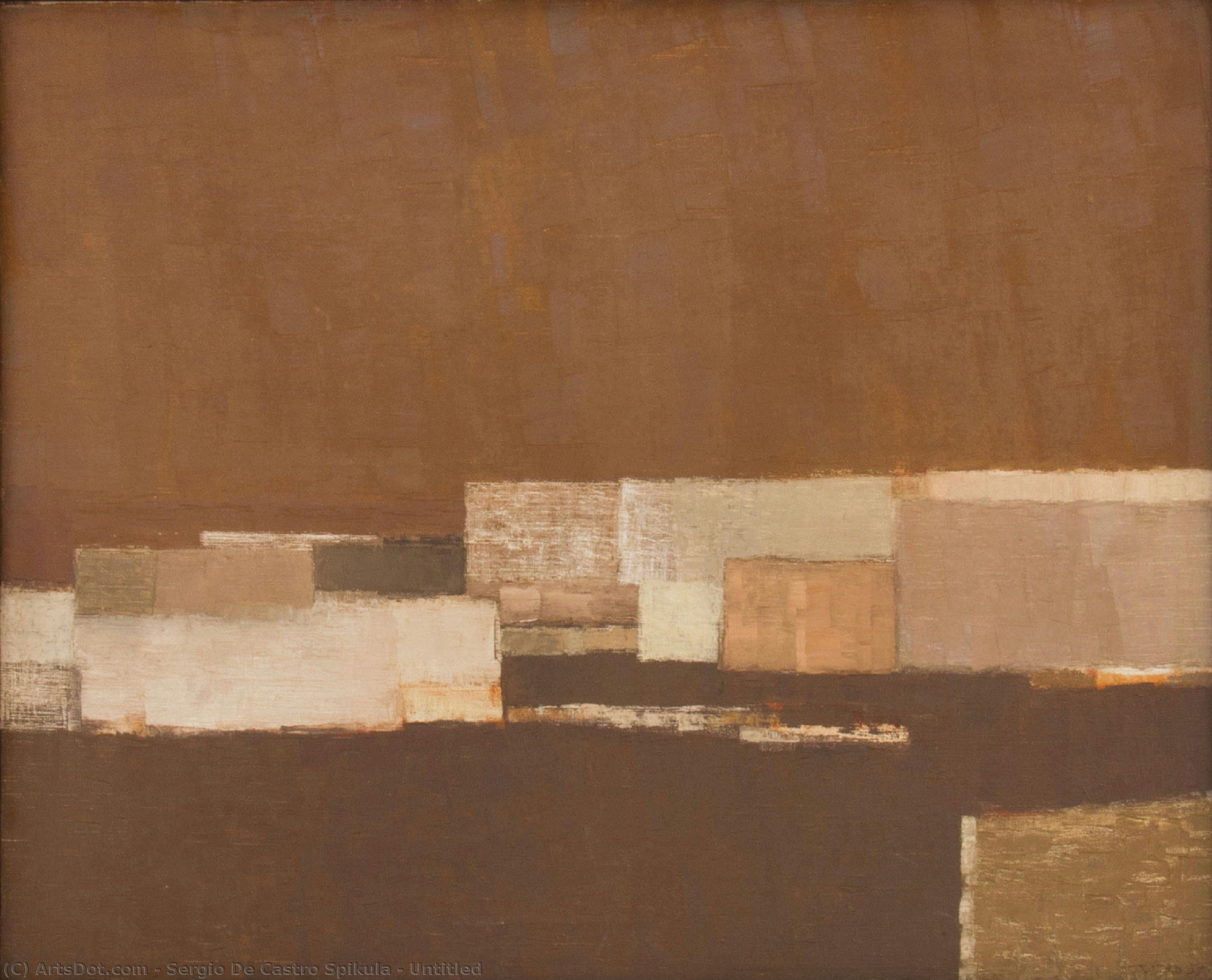
Untitled


 Zobrazit více
Giclée / Umělecký tisk
Giclée nebo plátěný tisk muzeální kvality s rychlou výrobou a flexibilními možnostmi povrchové úpravy. ( Koupit ručně malovaný obraz Koupit obrázek)




































Vyberte si z našich přednastavených velikostí, které odpovídají původním proporcím díla.

Můžete zadat vlastní rozměry tak, aby výtvor odpovídal konkrétnímu rámu nebo prostoru. Pokud zvolená velikost nebude odpovídat poměru stran původního obrazu, dílo buď ořížeme, nebo obraz rozšíříme pomocí zrcadlového efektu či jednobarevného okraje. Před zahájením výroby vám bude zaslán digitální náhled k schválení.
Mějte prosím na paměti, že náhled na obrazovce neodráží skutečné oříznutí nebo rozšíření. Pouze digitální náhled přesně zobrazí finální kompozici.
Ačkoliv jsou k dispozici i vlastní rozměry, pro zachování původních proporcí doporučujeme vybrat si rozměr z předdefinovaného seznamu.
Celosvětové doručení () do 2 týdnů namísto standardních 4/5 týdnů. (15 srpen)

Zdarma celosvětová expresní doprava

Vysoce kvalitní lněné plátno

Kompletní přepravní pojištění

Záruka vrácení celního poplatku

Záruka přesného barevného shodu

60denní lhůta pro vrácení zboží (pouze při vadách výroby)

100% garance vrácení peněz

Sleva při hromadné objednávce
 Skleněná varianta je dostupná pouze u rozměrů menších než 110 cm

Untitled
Giclée / Umělecký tisk
Rozměry reprodukce
-


Celková cena za výběr
$ 62
Podobná umělecká díla


Biografie umělce
The Melodic Canvas: The Life and Legacy of Sergio de Castro Spikula
Born in the vibrant atmosphere of Buenos Aires in 1922, Sergio de Castro Spikula was an artist whose soul was shaped by a nomadic and culturally rich upbringing. The son of a diplomat, his early years were a tapestry of European landscapes, moving from the serene beauty of Switzerland to the historic streets of Italy. This international childhood instilled in him a profound cosmopolitan perspective, allowing him to bridge the gap between South American roots and the avant-garde traditions of Europe. Before he ever picked up a brush to define his visual language, Spikula was a man of rhythm and verse; his early years were dedicated to the study of music and poetry, disciplines that would later infuse his paintings with an inherent sense of composition, tempo, and lyrical grace.
The trajectory of his creative life took a decisive turn through chance encounters and personal transformations. While traveling along the Uruguayan coast in 1939, he met the legendary Joaquín Torres-Garcia, a meeting that would plant the seeds of geometric abstraction within his mind. However, it was not until 1950, following a period of physical struggle with severe asthma, that Spikula transitioned from the world of musical composition to the realm of visual art. This shift was not merely a change in medium but a profound redirection of his expressive energy. Settling in Paris, the heart of the mid-century art world, he began to distill his experiences into a style that could be described as Minimalist Expressionism—a delicate balance between the structured discipline of geometry and the raw emotion of color.
A Symphony of Form and Color
Spikula’s artistic development was characterized by an exquisite ability to simplify the complex. His work moved away from the literal representation of the world, seeking instead to capture its essence through a sophisticated use of chromatic palettes and geometric forms. One can observe in his canvases a rhythmic interplay of shapes that echoes his background as a composer; there is a deliberate pacing to his brushstrokes and a harmonic resonance in how he juxtaposes light and shadow. His landscapes, while often understated and serene, possess a structural strength that prevents them from becoming mere scenery, instead transforming Argentinian vistas into meditative, abstract explorations of space.
His technical mastery was deeply rooted in the traditions of the masters, yet his vision remained resolutely modern. By integrating the luminous qualities reminiscent of Joaquín Sorolla with a more stripped-back, minimalist aesthetic, he created works that felt both timeless and contemporary. Notable pieces such as “Angel Zarraga” serve as quintessential examples of this approach, where simplified shapes are utilized to evoke deep emotional responses, proving that profound meaning does not require ornamental complexity. His ability to command the viewer's attention through subtle color harmonies allowed him to participate in the grand dialogue of 20th-century modernism.
Recognition and Eternal Resonance
The journey of Sergio de Castro Spikula was marked by prestigious exhibitions that solidified his place within the international art community. From his first solo exhibition at the Galerie Jeanne Castel in Paris in 1952 to acclaimed showings in London at the Leicester Gallery and the Matthiesen Gallery, his presence was felt across the major art capitals of Europe. His works were not only celebrated in galleries but also found homes in significant collections, such as the Colección Andrés Blaisten, ensuring that his unique vision would be preserved for future generations.
Ultimately, the significance of Spikula lies in his ability to synthesize disparate influences—the rhythmic structure of music, the precision of architecture, and the emotive power of painting—into a singular, cohesive voice. He remains a pivotal figure for those studying the intersection of Latin American heritage and European abstraction. His legacy is one of quiet strength and visual poetry, reminding us that art, much like music, is a universal language capable of expressing the most profound truths through the simplest of means.

sergio de castro spikula
1922 - 2012 , Argentina
Rychlé fakta
- Artistic Movement Or Style: Minimalist Expressionism
- Date Of Birth: 1922
- Date Of Death: 2012
- Full Name: Sergio de Castro Spikula
- Nationality: Argentinian
- Notable Artworks: ['Untitled']
- Place Of Birth: Buenos Aires, Argentina
Související články

Demandes Commerciales
APS ofrece reproducciones de bellas artes y encargos personalizados desde 2004. Confían en nosotros corporaciones, hoteles y coleccionistas selectos para obras de arte de calidad museística, servicio discreto y soluciones artísticas completas. ¡Póngase en contacto con nosotros para obtener un presupuesto personalizado!

Francisco Goya: 25 mistrovských děl španělského génia | ArtsDot.cz
Prozkoumejte 25 ikonických děl Francisca Goyi – od romantických portrétů po temné tiskoviny. Objevte příběhy, techniky a umělecký význam španělského mistra na ArtsDot.cz. Reprodukce obrazů pro váš interiér.

Top 10 mistrovských děl abstraktního expresionismu | Umění a dekorace s ArtsDot.com
Prozkoumejte 10 ikonických děl abstraktního expresionismu od Pollocka, Rothka a dalších. Objevte příběhy za obrazy, techniky a barevné palety tohoto revolučního uměleckého hnutí. Reprodukce obrazů s ArtsDot.com – luxusní dekorace pro váš interiér. Prozkoumejte celou kolekci online!

Geometrická abstrakce: 10 mistrovských děl, které změnily umění | ArtsDot.cz
Prozkoumejte 10 ikonických děl geometrické abstrakce od Mondriana, Maleviče a Kandinského. Objevte příběhy umělců, techniky a historii tohoto revolučního hnutí. Najděte inspiraci pro moderní dekorace a luxusní reprodukce obrazů na ArtsDot.com.

Wassily Kandinsky: Top 25 mistrovských děl abstrakce pro váš interiér | ArtsDot.com
Prozkoumejte 25 ikonických děl Wassily Kandinského – průkopníka abstraktního umění a expresionismu. Objevte příběhy za barevnými kompozicemi, Bauhaus styl a inspirujte se pro váš interiér s reprodukcemi nejvyšší kvality na ArtsDot.com.

