


 Zobrazit v interiéru
 Odeslat
 Sdílet
 Podrobnosti
 Průvodce

 Stáhnout obrázek
 Podobné kousky
 Rentgenové snímky
 Slideshow
 Statistiky
Untitled
 Contemporary
 37.0 x 92.0 cm
 Přečíst si více
Umělecké dílo zobrazené na této stránce je chráněno autorským zákonem, což znamená, že nemůžeme legálně vytvářet ani prodávat jeho identickou reprodukci. Tato ochrana je vymáhána na základě mezinárodních dohod, jako například Berberská úmluva a národními zákony, včetně těch stanovených v Americký autorský zákon – Díl 17. Všechna práva vyhrazena.
Tato metoda je plně v souladu s autorským právem, protože nezahrnuje kopírování ani duplikování chráněného díla. Jde o kreativní reinterpretaci – nový obraz, který je inspirován originálem, ale není s ním identický.
Giclée / Umělecký tisk
Giclée nebo plátěný tisk muzeální kvality s rychlou výrobou a širokou nabídkou povrchových úprav. ( Objednat ručně malovanou reprodukci Přepnout na digitální verzi obrazu)




P118B Kč10

P118H Kč10

P118W Kč10

P438Z Kč10

P508JH Kč12

P508YH Kč12

P805H Kč10

P805Z Kč10

P919BZ Kč10

P919G Kč10

P919XJ Kč10

P959ZH Kč10

P968JZ Kč12

W106C Kč8

W218G Kč10

W218JH Kč8

W218Y Kč10

W307PJ Kč10

W316G Kč10

W316PJ Kč8

W316Y Kč10

W398PJ Kč8

W4111J Kč10

W500HY Kč15

W500JH Kč15

W692G Kč12

W849H Kč8

W940BG Kč15

W953PJ Kč8




Vyberte si z našich přednastavených velikostí, které odpovídají původním proporcím díla.

Zadejte šířku a výšku, které potřebujete pro váš rám nebo stěnu. Tisk lze pouze oříznout, nikdy však nelze zvětšit obraz nad jeho původní rozměr, proto při výběru jiného formátu dochází ke ztrátě části obrazu. Před samotným tiskem vám zašleme digitální náhled k schválení. Obraz zobrazený na této stránce nenabízí skutečný výřez — ten uvidíte pouze v náhledu.
Celosvětové doručení () do 2 týdnů namísto standardních 4/5 týdnů. (24 říjen)

Zdarma celosvětová expresní doprava

Vysoce kvalitní lněné plátno

Úplné pojištění přepravy

Záruka vrácení celního poplatku

Záruka věrného barevného shodu

100dení lhůta pro vrácení zboží (pouze při vadách výroby)

100% garance vrácení peněz

Sleva při více objednávkách
 Skleněná varianta je dostupná pouze u rozměrů menších než 110 cm

Untitled
Giclée / Umělecký tisk
Velikost reprodukce
-


Celková cena
Kč 1324
Související díla


Biografie umělce
Sadamasa Motonaga: A Dance of Form and Feeling
Sadamasa Motonaga (1922-2011) wasn’t merely an artist; he was a conjurer of atmosphere, a sculptor of light and water, and a provocateur who dared to challenge the rigid boundaries of postwar Japanese art. Born in Iga Ueno, a town steeped in ancient ninja lore, Motonaga’s early life fostered a spirit of playful rebellion – a sensibility that would profoundly shape his artistic trajectory. He initially pursued manga as a young man, but it was the burgeoning world of abstract expressionism and the radical experimentation of Gutai Art Association that truly ignited his creative fire. His work, often described as “biomorphic abstraction,” isn’t about precise representation; instead, it's an exploration of fluidity, chance, and the inherent beauty found in ephemeral materials – water, smoke, and even the simple act of pouring paint.
The Gutai Years: Experimentation and Rebellion
Joining Gutai in 1955 was a pivotal moment for Motonaga. Led by Jiro Yoshihara, Gutai sought to dismantle traditional notions of art, embracing performance, installation, and unconventional materials. Motonaga’s early contributions within the group were characterized by a fascination with the unpredictable – he famously created “Work (Water)” in 1955, suspending vinyl tubes filled with colored water, allowing them to drift and shimmer under natural light. This piece, initially dismissed as a simple trick, became a cornerstone of Gutai’s philosophy: art wasn't about control but about embracing the unexpected dance between intention and chance. He also explored stage art, utilizing smoke as a medium, creating immersive environments that blurred the lines between performance and sculpture. These early experiments were deeply influenced by the post-war anxieties and the desire to break free from the constraints of established artistic conventions.
Fluid Forms: Painting, Performance, and the Language of Materials
Following his departure from Gutai in 1971, Motonaga’s work expanded dramatically. He continued to experiment with painting, developing a distinctive “informel” style characterized by loose brushstrokes, vibrant colors, and the deliberate pouring of paint onto canvases – a technique he termed "tarashikomi," drawing inspiration from traditional Japanese watercolor techniques. However, his most enduring legacy lies in his exploration of unconventional materials. He created intricate ceramic murals, designed interiors for public spaces, and produced a series of beloved children’s picture books alongside poet Shuntaro Tanikawa, imbuing them with a whimsical charm and playful spirit. His use of airbrushing, initially adopted from Western techniques, became integral to his style, allowing him to create delicate washes of color and subtle gradations.
A Legacy of Playfulness and Intuition
Motonaga’s artistic philosophy was rooted in a deep appreciation for the natural world and a rejection of rigid formalism. He famously described his style as “aho ha” – a self-deprecating term that acknowledged the inherent absurdity and spontaneity of his creative process. This playful approach, combined with an unwavering belief in intuition and a willingness to embrace chance, set him apart from many of his contemporaries. His work wasn’t about achieving technical perfection; it was about capturing fleeting moments of beauty and evoking a sense of wonder. Despite never receiving formal artistic training, Motonaga's influence on Japanese art is undeniable, inspiring generations of artists to explore new materials, embrace experimentation, and prioritize emotional expression over strict adherence to traditional rules.
Key Achievements and Recognition
- Gutai Art Association (1954-1971): A core member, contributing significantly to the group’s groundbreaking performances and installations.
- International Recognition (1960s): His work gained international attention through exhibitions in Europe and New York, largely thanks to the support of Michel Tapié.
- New York Residency (1966-1967): This period saw him develop his airbrush technique and explore new approaches to painting.
- Children’s Picture Books (1970s onwards): Collaborations with Shuntaro Tanikawa produced a series of critically acclaimed and commercially successful books, showcasing his playful aesthetic.
- Continued Innovation (2000s): Continued exploration of ceramics, murals, and public art installations throughout his long career.
Sadamasa Motonaga’s work remains a testament to the power of intuition, experimentation, and a deep connection with the world around us. His legacy lies not just in the beauty of his creations but also in his unwavering commitment to artistic freedom and his joyful embrace of the unexpected.

Sadamasa Motonaga
1922 - 2011
Rychlé informace
- Full Name: Sadamasa Motonaga
- Nationality: Japanese
- Date Of Birth: 1922
- Date Of Death: 2011
- Place Of Birth: Iga Ueno, Mie Prefecture
- Notable Artworks:
- Work (Water)
- Untitled (Howa Howa)
- Tsunagatteiru
- Artistic Movement Or Style: Gutai, Informel, Biomorphic
- Artists Who Influenced This Artist: ['Jiro Yoshihara']
- Artists Or Movements Influenced By This Artist:
- Michel Tapié
- Gutai Art Association
Související články

Serene Blue Backgrounds: Discover Soulful Art to Transform Your Space with Timeless Elegance
Transform your home with soulful blue art. From serene Monet impressions to modern textured sculptures, discover curated masterpieces designed to inspire calm. Explore expert art consultations and bespoke hand-painted reproductions to create your personal sanctuary.
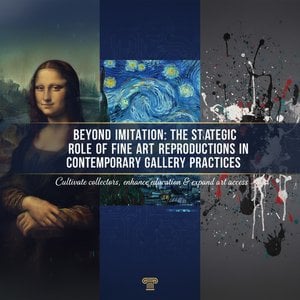
Umění prestiže: Reprodukce jako vstupní brána do světa elitních galerií – Kvalita a exkluzivita v kurátorských strategiích
Objevte svět kvalitních reprodukcí umění – ručně malované obrazy od zkušených umělců. Luxusní dekorace, kurátorské strategie a investice do umění s garancí autenticity. ArtsDot.

Azure Visions: Exploring Representations of the Blue Dress in Western Art History
Explore the rich history of the blue dress in Western art! Discover its symbolism, from Renaissance masterpieces to modern interpretations by artists like Martin & Schiele. Uncover cultural meanings and artistic techniques.

Deset ikonických obrazů v odstínech šedé modré: Umění a inspirace pro váš domov
Objevte deset ikonických obrazů v odstínech šedé modré od Van Gogha, Moneta a dalších mistrů. Ponořte se do příběhů umění, technik a inspirace pro váš interiér. Reprodukce obrazů nejvyšší kvality na ArtsDot.com.
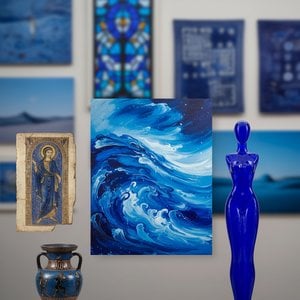
The Allure of Azure: Exploring the Symbolic & Aesthetic Depths of Blue in Art History
Explore the rich history of blue in art! Discover its symbolism, from ancient pigments to modern masterpieces by Kandinsky & Seurat. Uncover the psychological impact and cultural meanings behind this captivating hue.