


 Zobrazit v interiéru
 Odeslat
 Sdílet
 Podrobnosti
 Průvodce

 Stáhnout obrázek
 Podobné kousky
 Rentgenové snímky
 Slideshow
 Statistiky
The Microscope


 Přečíst si více
Giclée / Umělecký tisk
Giclée nebo plátěný tisk muzeální kvality s rychlou výrobou a širokou nabídkou povrchových úprav. ( Objednat ručně malovanou reprodukci Přepnout na digitální verzi obrazu)




P118B Kč10

P118H Kč10

P118W Kč10

P438Z Kč10

P508JH Kč12

P508YH Kč12

P805H Kč10

P805Z Kč10

P919BZ Kč10

P919G Kč10

P919XJ Kč10

P959ZH Kč10

P968JZ Kč12

W106C Kč8

W218G Kč10

W218JH Kč8

W218Y Kč10

W307PJ Kč10

W316G Kč10

W316PJ Kč8

W316Y Kč10

W398PJ Kč8

W4111J Kč10

W500HY Kč15

W500JH Kč15

W692G Kč12

W849H Kč8

W940BG Kč15

W953PJ Kč8




Vyberte si z našich přednastavených velikostí, které odpovídají původním proporcím díla.

Zadejte šířku a výšku, které potřebujete pro váš rám nebo stěnu. Tisk lze pouze oříznout, nikdy však nelze zvětšit obraz nad jeho původní rozměr, proto při výběru jiného formátu dochází ke ztrátě části obrazu. Před samotným tiskem vám zašleme digitální náhled k schválení. Obraz zobrazený na této stránce nenabízí skutečný výřez — ten uvidíte pouze v náhledu.
Celosvětové doručení () do 2 týdnů namísto standardních 4/5 týdnů. (22 říjen)

Zdarma celosvětová expresní doprava

Vysoce kvalitní lněné plátno

Úplné pojištění přepravy

Záruka vrácení celního poplatku

Záruka věrného barevného shodu

100dení lhůta pro vrácení zboží (pouze při vadách výroby)

100% garance vrácení peněz

Sleva při více objednávkách
 Skleněná varianta je dostupná pouze u rozměrů menších než 110 cm

The Microscope
Giclée / Umělecký tisk
Velikost reprodukce
-


Celková cena
Kč 1318
A Window into Enlightenment: Examining Robert Walter Weir’s “The Microscope”
Robert Walter Weir's "The Microscope," completed in 1849, stands as a remarkable testament to the confluence of scientific curiosity and humanist ideals that characterized mid-nineteenth century America. More than just a portrait depicting Jacob Whitman Bailey, a prominent advocate for American microscopy and instructor at West Point, this painting embodies the Romantic spirit’s fascination with both reason and imagination—a duality Weir skillfully captures through meticulous observation and expressive brushwork. The artwork resides within Yale University Art Gallery's collection, offering visitors an opportunity to contemplate its enduring significance.- Subject Matter: At its core, “The Microscope” presents a tableau of intellectual engagement. Bailey, dressed in attire reminiscent of Galileo Galilei—a deliberate allusion to the Renaissance astronomer’s groundbreaking discoveries—demonstrates his knowledge to his sons and daughter, Maria. This familial scene underscores the importance of educating children not only in traditional arts but also in scientific pursuits, reflecting the burgeoning belief that fostering intellectual development was crucial for societal progress.
- Style & Technique: Weir’s style aligns firmly with the Hudson River School tradition, prioritizing atmospheric perspective and tonal gradation to convey a sense of grandeur and tranquility. Employing oil paints on canvas, he achieved remarkable realism through careful layering and blending—a hallmark of the era's artistic approach. The subdued palette—dominated by browns, greens, and blues—creates an environment that feels both scholarly and contemplative.
Historical Context: Science and Domestic Education in Victorian America
The painting emerged during a period marked by significant advancements in scientific understanding, particularly in microscopy. Scientists like Bailey were actively exploring the microscopic world, uncovering previously unseen organisms and challenging prevailing theories about disease and heredity. Simultaneously, Victorian society placed considerable emphasis on educating girls—primarily focusing on music, dance, and needlework—though figures like Bailey recognized the necessity of introducing science into female education. Weir’s depiction reflects this societal preoccupation with cultivating intellectual prowess in young women.- Symbolism: The inclusion of Galileo's garb serves as a powerful symbol—representing the triumph of observation and experimentation over dogma. Bailey’s stance, gazing intently at the microscope, embodies the Romantic conviction that scientific inquiry could illuminate the mysteries of creation. Furthermore, Maria’s presence symbolizes the future generation inheriting this enlightened worldview.
- Emotional Impact: “The Microscope” transcends mere representation; it evokes a feeling of serene intellectual pursuit and familial devotion. Weir's masterful use of light and shadow contributes to an atmosphere of quiet contemplation—encouraging viewers to appreciate the beauty inherent in knowledge and the importance of nurturing young minds.
Yale Center for British Art’s Perspective
The Yale Center for British Art considers “The Microscope” as a pivotal piece illustrating the Romantic movement's commitment to both reason and imagination. Its inclusion within the American Art before 1900 galleries underscores its significance in shaping artistic sensibilities during this formative period. The painting continues to inspire interior designers seeking to infuse their spaces with elements of intellectual curiosity and humanist values—a legacy that extends far beyond its original creation.Otázky a odpovědi
Jaké emoce vyjadřuje dílo Romanticism s názvem „The Microscope"?
Reflective emoce díla „The Microscope“ doprovází jeho styl, který patří k Romanticism.
Existují díla podobná jako "The Microscope"?
Stránka Podobná díla díla „The Microscope“ od Robert Walter Weir představuje související umělecká díla.
Je k dispozici prezentace pro „The Microscope“ od Robert Walter Weir?
Diaporama díla „The Microscope“ si můžete prohlédnout na stránce Diaporama tohoto díla.
Související díla


Biografie umělce
Robert Walter Weir – Pionier Hudebního Řešení a Významný Pedagog
Robert Walter Weir (1803-1889) byl americký malíř, pedagog a významná osobnost hudebního řeznictví. Jeho životní příběh vypráví o nezlomné vášni pro klasické vzdělání, odhodlání věnovat se umění napříč celým životem a především o schopnosti inspirovat další generace mladých lidí k tvorbě. Jeho počátky byly v New Yorku, kde jeho rodina přestěhovala svůj domov před rokem 1817. Weirův intelektní rozvoj byl podpořen studiem anatomie na lékařské fakultě Univerzity států amerických a krátkým pobytem ve Florencii v roce 1824–25, kde získal zásadní znalosti evropské estetiky. Jeho cestování po Řecku a Itálii ovlivnilo jeho umělecký styl a jeho zájem o historii.- Rané Životní Roky a Výcvik
- Hudební Řešení: Inspirace z Klasické Kultury
- Významné Díla: Hudební Výtvarná Umění
- Pedagogická činnost: Vliv na Budoucí Generace
- Závěr Životu a Paměť
Rané Životní Roky a Výcvik
Robert Walter Weir se narodil v roce 1803 v New Rochelle, stát New York. Jeho rodiče byli Robert Brinckley a Mary Katherine Brinckley. Už od mladého věku vykazoval zájem o umění – jeho první výcvik získal od Roberta Coxe (nebo Cooka), anglického heraldického malíře, což bylo následováno studiem anatomie na lékařské fakultě Univerzity států amerických. Jeho intelektuální rozvoj byl podpořen intenzivní prací s Johnem Wesley Jarvisem a Robertem Coxem v New Yorku. Weirův životní cestovatelský zájem začal již v mladém věku, kdy vycestoval do Řecka a Itálie.Hudební Řešení: Inspirace z Klasické Kultury
Weirova estetická filozofie byla zásadně ovlivněna jeho cestami po Evropě – zejména Florencii a Řecku. Jeho zájem o klasickou kulturu se projevil v jeho studiu architektury, matematiky a hudby. Jeho vzdělání bylo mimořádné pro svou dobu, což mu umožnilo získat znalosti evropské estetiky. Jeho osobní život byl poznamenán manželstvím dvakrát a narozením šestnácti dětí.Významné Díla: Hudební Výtvarná Umění
Weir vytvořil mnoho ikonických obrazů, které jsou dnes vystavovány v předních muzeích po celém světě. Jeho nejznámější dílo je *Embarkation of the Pilgrims*, monumentalní obraz vyobrazený ve svatyni Kapitolu amerického Kongresu v Washingtonu D.C., který získal uznání jako jeden z nejvýznamnějších reprezentantů hudebního řeznictví své doby. Jeho další díla zahrnují *Landing of Hendrik Hudson*, *Evening of the Crucifixion*, *Columbus before the Council of Salamanca* a *Our Lord on the Mount of Olives*.Pedagogická činnost: Vliv na Budoucí Generace
Robert Walter Weir působil jako profesor kreslení na Akademii vojenských věd amerických v West Pointu od roku 1834 do roku 1876. Jeho pedagogický přístup byl inovativní a zaměřený na rozvoj kritického myšlení a kreativního řešení problémů. Jeho studenti zahrnovali významné osobnosti americké historie – Jamese Abbott McNeilla Whistlera, Ulyssese S. Granta a Roberta E. Leeho. Jeho práce ovlivnila výuku umění v následujících desetiletích a přispěla k rozvoji amerického hudebního řeznictví.Závěr Životu a Paměť
Robert Walter Weir zemřel roku 1889 ve městě Hoboken, stát New York. Jeho potomci pokračovali v jeho uměleckém odkazu – John Ferguson Weir byl uznávaným malířem a sochařem, zatímco Julian Alden Weir získal renomé jako významný hudebník. Jeho životní příběh je důkazem síly umění a jeho významu pro kulturu amerického hudebního řeznictví. Jeho díla zůstávají inspirací pro současné umělce i odborníky.
Robert Walter Weir
1803 - 1889 , Spojené státy americké
Rychlé informace
- Artistic Movement Or Style: Hudson River School
- Artists Or Movements Influenced By This Artist: ['Renaissance']
- Artists Who Influenced This Artist:
- Michelangelo
- Raphael
- Date Of Birth: 1803-06-18
- Full Name: Robert Walter Weir
- Nationality: Američan
- Notable Artworks:
- Embarkation of the Pilgrims
- Bourbons Last March
- Place Of Birth: New York City, USA
Související články

Robert Spencer: Luminism, Narrative & the American Landscape Tradition
Explore the captivating world of Luminism & the Hudson River School with our expert analysis. Discover the history, artists, and enduring beauty of 19th-century American landscape painting. Find museum-quality reproductions at ArtsDot.
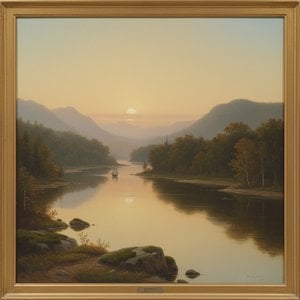
David Johnson: A Luminist Master of the Hudson River School & Beyond
Explore the captivating landscapes of David Johnson, a key figure in the Hudson River School & Luminism movement. Discover his artistic evolution, legacy, and how to collect his works with ArtsDot.

The Sublime Landscape: Exploring the Hudson River School Movement
Explore the captivating world of the Hudson River School! Discover the history, artists, and defining characteristics of this iconic American art movement. Learn about Romanticism's influence & find inspiration for your collection.

Top 10 mistrovských děl Hudson River School: Krajina jako umělecký odkaz
Prozkoumejte 10 ikonických děl Hudson River School – Cole, Church, Bierstadt a další. Objevte romantismus v americké krajinomalbě a inspirujte se pro luxusní dekorace s ArtsDot.com!
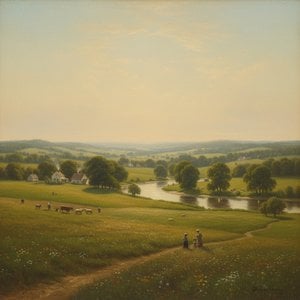
Thomas Worthington Whittredge: Capturing the American Pastoral Ideal with Luminist Light
Explore the luminous landscapes of Thomas Worthington Whittredge, a key figure in the Hudson River School and master of Luminism. Discover his captivating paintings & legacy with ArtsDot.