


 Náhled
 Sdílet
 Sdílet
 Podrobnosti o díle

 Stáhnout
 Podobné položky
 Rentgenové snímky
 Slideshow
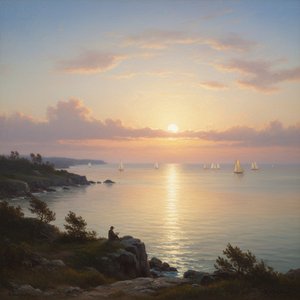
Ruin in a Clearing

 Zobrazit více
Ručně malovaná olejová reprodukce
Ručně malovaná olejná barva na plátně ve vašem zvoleném rozměru i s rámem, vyrobená našimi umělci na zakázku. ( Koupit tisk Koupit obrázek)




P118B $10

P118H $10

P118W $10

P438Z $10

P508JH $12

P508YH $12

P805H $10

P805Z $10

P919BZ $10

P919G $10

P919XJ $10

P959ZH $10

P968JZ $12

W106C $8

W218G $10

W218JH $8

W218Y $10

W307PJ $10

W316G $10

W316PJ $8

W316Y $10

W398PJ $8

W4111J $10

W500HY $15

W500JH $15

W692G $12

W849H $8

W940BG $15

W953PJ $8




Vyberte si z našich přednastavených velikostí, které odpovídají původním proporcím díla.

Můžete zadat vlastní rozměry pro konkrétní rám nebo prostor. Pokud se vámi vybraná velikost neshoduje s proporcemi původního obrazu, dílo buď ořízneme, nebo jej doplníme ručně malovanými prvky. Před zahájením výroby vám bude zaslán digitální náhled ke schválení.
Upozorňujeme, že náhled na obrazovce neodpovídá skutečnému ořezu ani rozšíření. Pouze digitální náhled přesně zobrazí finální kompozici.
Ačkoliv je možné zvolit vlastní velikost, pro zachování původních proporcí doporučujeme vybrat rozměr z předdefinovaného seznamu.
Po přijetí objednávky vám tým ArtsDot.com zašle e-mail s pokyny a poskytne náhledovou verzi.
Celosvětová doprava () za 3–4 týdny namísto standardních 5 týdnů. (25 srpen). Bez kompromisů v kvalitě.

Zdarma celosvětová expresní doprava

Vysoce kvalitní lněné plátno

Kompletní přepravní pojištění

Záruka vrácení celního poplatku

Záruka přesného barevného shodu

60denní lhůta pro vrácení zboží (pouze při vadách výroby)

100% garance vrácení peněz

Sleva při hromadné objednávce
 Skleněná varianta je dostupná pouze u rozměrů menších než 110 cm

Ruin in a Clearing
Technika reprodukce
Rozměry reprodukce
-


Celková cena za výběr
$ 263
Podobná umělecká díla


Biografie umělce
Richard Wilson: Pionýr britského malování krajiny
Raný život a vzdělání
Richard Wilson se narodil 24. července 1713 v Londýně, v oblasti Islington. Detaily o jeho raných letech jsou sice vzácné, ale věří se, že prošel základní uměleckou výchovou. Wilsonovy počáteční schopnosti byly pravděpodobně výsledkem sebevzdělávání a pozorného pozorování přírody, možná také díky interakci s tehdejšími předními umělci. Jeho dílo vykazuje hluboké pochopení klasických technik, což naznačuje vědomé úsilí o mistrovské ovládnutí základních principů malířského řemesla.
Umělecká kariéra a vývoj
Wilsonova umělecká cesta se odvíjela ve dvou zcela odlišných fázích. Svoji kariéru zahájil jako portrétní malíř, avšak postupně se přiklonil k malování krajiny – žánru, pro který je dnes cele světově oslavován. Tento zvrat představoval klíčový moment v dějinách britského umění. Jeho krajiny nebyly pouhým zobrazením scenerie; byly to pečlivě konstruovaná díla prosycená atmosférou a hlubokými emocemi.
- Rané vlivy: V počátcích vykazovaly Wilsonovy portréty stopy uznávaných umělců, jako byl Godfrey Kneller.
- Zralý styl: Wilson vyvinul jedinečně britský přístup k krajině, který spojoval klasické ideály s specifickými kvalitami anglického venkova.
Vlivy a umělecký styl
Nejvýznamnějším vlivem pro Richarda Wilsona byl Thomas Gainsborough. Wilson obdivoval Gainsboroughovu schopnost zachytit světlo a atmosféru, a tyto techniky následně integroval i do vlastního tvorby. Přesto se Wilson od něj odlišil díky přísnější kompoziční struktuře a většímu důrazu na idealizovanou krásu.
- Klasická kompozice: Wilson často využíval klasické principy rovnováhy a harmonie ve svých krajinách.
- Atmosférická perspektiva: S mistrovskou lehkostí používal atmosférickou perspektivu k vytvoření pocitu hloubky a nekonečného vzdálku.
- Zlatavé světlo: Jeho obrazy jsou charakteristické teplým, zlatavým světlem, které vyvolává pocit nesmírného klidu.
Významná díla a úspěchy
Mezi nejvýraznější příklady Wilsonova mistrovství patří několik klíčových děl.
- Meleager a Atalanta (cca 1743): Tento obraz demonstruje jeho schopnost zachytit samotnou podstatu britského venkova.
- The Hengö Watch (1756–57): Mistrovské dílo, které dokazuje Wilsonovu schopnost vyvážit světlo, barvu a kompozici v dokonalou jednotu.
- Další nespočetné krajiny: Vytvořil rozsáhlé korpus umění zobrazující různé lokality napříč Británií i Itálií.
Historický význam a odkaz
Richard Wilson je považován za zásadní postavu pro rozvoj britského malování krajiny. Vytyčil cestu budoucím generacím umělců, včetně Francise Cotesa, tím, že ukázal nevídaný umělecký potenciál britské přírody. Jeho důraz na zachycení krásy a klidu přírody pomohl upevnit specificky britskou tradici krajinného malířství.
- Odklon od portrétního malířství: Wilsonův zaměření na krajinu vyzvalo tehdejší dominanci portrétu v britském umění.
- Národní identita: Jeho obrazy přispěly k rostoucímu pocitu národní identity a hrdosti na krásu Britských ostrovů.
- Trvalý vliv: Wilsonovo dílo i dnes neustále inspiruje umělce i milovníky umění, čímž si upevnil své místo jako klíčové postavy v dějinách umění.
Muzejní sbírky
Děla Richarda Wilsona lze najít v prestižních muzeích, například v těchto:
- Tate Britain, Londýn, Spojené království
- Walker Art Gallery, Liverpool, Spojené království
- National Museum of Wales, Cardiff, Spojené království

richard wilson
1713 - 1782 , Wales
Rychlé fakta
- Artistic Movement Or Style: Krajinářství
- Artists Or Movements Influenced By This Artist: ['Claude Lorrain']
- Artists Who Influenced This Artist:
- Godfrey Kneller
- Thomas Gainsborough
- Date Of Birth: 1. srpna 1714
- Date Of Death: 15. května 1782
- Full Name: Richard Wilson
- Nationality: Velšan
- Notable Artworks:
- Meleager a Atalanta
- Hengöský výhled
- Place Of Birth: Islington, Velká Británie
Související články

Richard Wilson: Deconstructing Landscape & Memory in Contemporary Installation Art
Explore Richard Wilson's groundbreaking landscape paintings & his enduring influence on contemporary installation art. Discover investment opportunities, provenance insights & the materiality of memory in this expert analysis.

Top 10 mistrovských děl rokokového umění | ArtsDot.cz
Prozkoumejte 10 ikonických děl rokokového umění – Fragonard, Boucher a další. Objevte příběhy mistrů, techniky a pastelové barvy tohoto elegantního stylu. Reprodukce obrazů nejvyšší kvality na ArtsDot.cz!
William Trost Richards: Luminism, Spirituality & the American Landscape Tradition
Explore the captivating landscapes of William Trost Richards, a master of Luminism associated with both the Hudson River School & American Pre-Raphaelite movements. Discover his spiritual connection to nature and lasting influence on American art.

Romantická krajina v malbě: 10 mistrovských děl, které definovaly umělecký proud | ArtsDot
Prozkoumejte 10 ikonických děl romantické krajinářské malby! Objevte příběhy Caspara Davida Friedricha, Turnera a dalších mistrů. Reprodukce obrazů nejvyšší kvality pro váš interiér na ArtsDot.com.

John Constable: 25 mistrovských děl krajinářské poezie | ArtsDot.com
Prozkoumejte 25 ikonických děl Johna Constabla, mistra anglického krajinářství a romantismu. Obdivujte jeho olejomalby, plátna s venkovskou atmosférou a inspirujte se pro dekoraci interiéru. Reprodukce obrazů nejvyšší kvality na ArtsDot.com

