
Landscape with a Castle


The picture follows your choices: , .
Popis sbírného předmětu
Discover Richard Wilson’s "Landscape with a Castle" – a serene 18th-century painting of Welsh scenery. Explore its romantic style & historical significance.
 Zobrazit více
Biografie umělce
Objevte Richarda Wilsona (1713–1782), pionýra britského krajinky! Prozkoumejte klidné výhledy na venkov a idylické panoramy ovlivněné Gainsboroughem. Podívejte se na jeho mistrovské díla nyní!
Ručně malovaná olejová reprodukce
Rukou malované olejné plátno v libovolném rozměru i s rámem, vyrobené našimi umělci na zakázku. ( Přepnout na tisk Přepnout na digitální obraz)
Order your painting in four simple steps
Take your time. You can change any answer; the price in your order card follows each choice.
1 Step one of four
Which size would you like?
These sizes keep the proportions of the original painting. The drawing shows your choice on a wall, above a two-metre sofa.
Or give your own measurements
Vyberte si z našich přednastavených velikostí, které odpovídají původním proporcím díla.

Zadejte šířku a výšku, které potřebujete pro váš rám nebo stěnu. Protože se jedná o ruční malbu, při výběru jiného formátu může umělec kolem obrazu domalovat o něco více, nebo jej mírně oříznout — rozhodnete si vy. Před zahájením malby vám zašleme digitální náhled ke schválení. Obraz zobrazený na této stránce neodpovídá skutečnému výsledku — pouze digitální náhled jej zobrazuje.
2 Step two of four
How should it be prepared: rolled, stretched or framed?
The prices below are for the size you chose in step one.
Choose the edges of the stretched canvas
Choose your frame

White Kč1

Blurside Kč1

Extended Kč1

P118B Kč10

P118H Kč10

P118W Kč10

P438Z Kč10

P508JH Kč12

P508YH Kč12

P805H Kč10

P805Z Kč10

P919BZ Kč10

P919G Kč10

P919XJ Kč10

P959ZH Kč10

P968JZ Kč12

W106C Kč8

W218G Kč10

W218JH Kč8

W218Y Kč10

W307PJ Kč10

W316G Kč10

W316PJ Kč8

W316Y Kč10

W398PJ Kč8

W4111J Kč10

W500HY Kč15

W500JH Kč15

W692G Kč12

W849H Kč8

W940BG Kč15

W953PJ Kč8

H24-GOLD Kč30

H24-SILVER Kč30

H36-GOLD Kč45

H36-SILVER Kč45
V rámu
Moulding: . Overall size with the frame: .
3 Step three of four
Would you like anything changed in the painting?
Most people answer no. Because each painting is made by hand, our artist can also adapt it for you.
After order, ArtsDot.com team will email client for instructions and provide a mockup preview
4 Step four of four
A few finishing options
All of them are optional. The answers already selected cost nothing extra.
Who paints it?
Celosvětová doprava () za 3–4 týdny namísto standardních 5 týdnů. (29 říjen). Bez kompromisů v kvalitě.
A nameplate, as in a museum?
Detaily ryté bronzové plakety
This elegant plaque features the artist's name and the title of the artwork, finely engraved for a timeless presentation.
It is made from bronze with a refined, elegant finish. The text is precisely laser-engraved for a sharp and permanent result. Measuring 9x2 cm, the plaque is compact yet easy to read. It's built to be durable and scratch-resistant, offering a professional, museum-quality look. Mounting is simple thanks to the included adhesive backing.
Detaily průhledné akrylové desky
The plaque includes essential engraved details such as the artist's name, the title of the artwork, the date it was created, the type of media used-like oil on canvas or watercolor-a brief description of the piece, and a QR code that links to the complete artwork information.
It is crafted from clear acrylic, offering a sleek, modern appearance. The text is UV-engraved in black to ensure strong visual contrast. With a size of 10x15 cm, it ensures optimal readability. It comes equipped with two metal hooks for secure wall mounting. The plaque is designed to be weather-resistant, making it suitable for various environments, and it includes interactive features that work seamlessly with smartphone scanning.
Detaily černé akrylové destičky
This elegant plaque includes engraved information such as the artist's name, the title of the artwork, the date it was created, the type of media used (like oil on canvas or watercolor), a short description of the artwork, and a QR code for quick access to more information.
The plaque itself is made from refined black acrylic with a premium finish. The text is laser-engraved in white for high contrast and readability. Its size is 10x15 cm, designed to be easy to read. It comes with two metal hooks for professional mounting. The design is sleek and fits any interior style. It is also weather-resistant and durable, with built-in digital integration for mobile compatibility.
A protective varnish?
When do you need it?
✓ Check and order
Your painting, as you ordered it

Landscape with a Castle
Technika reprodukce
Rozměry reprodukce
-

Vybraní mistři umění
Vyšší míra detailu, jemnosti a delší doba výroby
-

Možnosti rámování reprodukcí
-
-
U děl nebo reprodukcí, u nichž je jakákoliv strana větší než 105 cm (přibližně 41 palců), bude rám dodán jako sestava v rozloženém stavu. Tato metoda zajišťuje bezpečné doručení a chrání dílo před poškozením během přepravy.
Vyžaduje se odborná montáž – nejedná se o produkt pro svépomocnou realizaci (DIY).
Sestava musí být složena a plátno napnuto zkušeným profesionálním rámovačem s použitím dřevěného lepidla (není součástí balení), kleští na napínání plátna a svorek pro udržení pravých úhlů křížů během schnutí lepidla. Nesprávná montáž nebo nerovnoměrné napnutí plátna může způsobit trvalé poškození uměleckého díla, které není kryto naší zárukou.
 U děl nebo reprodukcí, u nichž je jakákoliv strana větší než 105 cm (přibližně 41 palců), bude rám dodán jako sestava v rozloženém stavu. Tato metoda zajišťuje bezpečné doručení a chrání dílo před poškozením během přepravy.
Jsou zahrnuty všechny lišty z masivního dřeva, přesně na míru nařezané.
Sestavuje se pomocí součástí balení (šroubů), plus dřevěného lepidla na rohové spoje, které není součástí balení a musí jej zajistit váš rámovač.
Vyžaduje se profesionální nářadí, které není součástí sady: kleště na napínání plátna a svorky pro udržení kolmosti příček během schnutí lepidla.
Důležité:
Spoje v rozích vyžadují lepidlo na dřevo, tyčinky musí být přichyceny pomocí svorek, dokud lepidlo zcela neuschne, a pro napnutí plátna na sestavený rám je zapotřebí kleští na natahování plátna. Žádný z těchto náčiní není součástí sady. Před objednáním této velikosti prosím zajistěte zkušeného profesionálního rámovače.

Popisek díla
-
-

Ochranný lak
Lesklý lak (zvýrazňuje barvy, chrání před světlem a vlhkostí)
-

Přizpůsobit své umělecké dílo
Příklady možných úprav: nahrazení obličeje fotografií zákazníka; přidání domácího mazlíčka (např. výměna kočky za psa); vložení skrytého vzkazu do pozadí; změna krajiny nebo prvků v pozadí.
-

Prioritní doručení
Celosvětové doručení () za 3–4 týdny namísto standardních 5 týdnů. (29 říjen). Bez kompromisů v kvalitě.
-
Expresní doručení
Celosvětová doprava () do 5 týdnů. (5 listopad).
V ceně
Celková cena za vybrané možnosti reprodukcí
Kč 5663
Skleněná varianta je dostupná pouze u rozměrů menších než 110 cm
Included with every order
- Zdarma celosvětová expresní doprava
- Vysoce kvalitní lněné plátno
- Kompletní pojištění přepravy
- Záruka vrácení celního poplatku
- Záruka věrného barevného souladu
- 100dení lhůta pro vrácení zboží (pouze při vadách výroby)
- 100% záruka vrácení peněz
- Sleva při více objednávkách


A Vision of British Pastoral: Richard Wilson’s ‘Landscape with a Castle’
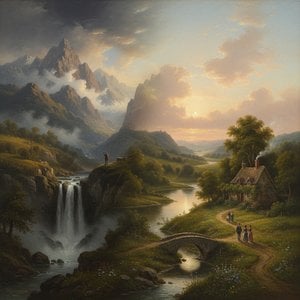
Richard Wilson's ‘Landscape with a Castle’ is a quintessential example of 18th-century British landscape painting, embodying the growing appreciation for native scenery that characterized the period. The scene depicts a tranquil vista featuring a prominent castle nestled within rolling hills, anchored by figures enjoying the natural world. A man seated on a rock near the water's edge forms a focal point, accompanied by a loyal dog, while two additional figures populate the landscape, adding to the sense of peaceful habitation. This painting isn’t simply a record of place; it is an idealized representation of harmony between humanity and nature.
Style & Technique: Pioneering a British Aesthetic
- Romantic Precursors: Wilson’s work stands at the cusp of Romanticism, anticipating the movement's emphasis on emotion and the sublime in nature. While rooted in classical principles of composition – evident in the balanced arrangement of elements – he infuses his landscapes with a distinctly British sensibility.
- Atmospheric Perspective: A key characteristic of Wilson’s style is his masterful use of atmospheric perspective. Notice how colors soften and details become less distinct as they recede into the distance, creating a convincing illusion of depth and airiness. This technique, borrowed from earlier landscape masters but uniquely applied by Wilson, contributes significantly to the painting's serene mood.
- Oil on Canvas: Executed in oil on canvas, the medium allows for rich color variations and subtle gradations of tone, enhancing the realism and emotional impact of the scene. The brushwork is delicate yet confident, capturing the textures of foliage, stone, and water with remarkable finesse.
Historical Context & Symbolism
Richard Wilson’s shift from portraiture to landscape painting was revolutionary for British art. Prior to his work, landscapes were often treated as subordinate elements within larger compositions or viewed through the lens of classical mythology. Wilson elevated landscape to a primary genre, celebrating the beauty and character of the British countryside. The inclusion of a castle isn't merely topographical; it evokes notions of history, heritage, and national identity – themes that resonated deeply with audiences in 18th-century Britain. The figures within the scene suggest a contemplative appreciation for nature, reflecting Enlightenment ideals about the restorative power of the natural world. Similar compositions can be found in works like ‘River Landscape with Castle, Herdsman and Cows’, demonstrating Wilson’s recurring motifs.
Emotional Impact & Interior Design
‘Landscape with a Castle’ evokes a sense of tranquility, nostalgia, and quiet contemplation. The painting's muted palette and harmonious composition create a soothing atmosphere, making it an ideal addition to interiors seeking a calming presence. Its classic style lends itself well to both traditional and contemporary settings – complementing spaces designed for relaxation, conversation, or artistic appreciation. A high-quality reproduction of this work would bring a touch of British pastoral elegance to any home or office, serving as a timeless reminder of the enduring power of nature and art.
Otázky a odpovědi
Odkud pocházejí návštěvníci díla „Landscape with a Castle“ od Richard Wilson?
Statistiky k dílu „Landscape with a Castle“ od Richard Wilson naleznete na stránce Statistiky tohoto díla: měsíční návštěvnost díla, návštěvnost děl daného umělce a rozpis nedávných návštěvníků podle zemí a jazyků.
Do kterého uměleckého směru a do jaké éry spadá dílo „Landscape with a Castle“ od Richard Wilson?
Dílo „Landscape with a Castle“ od Richard Wilson patří k享有 směrům Romanticism, které charakterizovaly éru – Raná modernita svého autora.
Jak si mohu stáhnout obrázek díla „Landscape with a Castle“ od Richard Wilson?
Pro dílo „Landscape with a Castle“ je k dispozici stažení: na stránce Stažení digitální verze si můžete pořídit stažení digitálního obrazu ve vysokém rozlišení.

Richard Wilson
1713 - 1782, Wales
Biografie umělce
Richard Wilson: Pionýr britského malování krajiny
Raný život a vzdělání
Richard Wilson se narodil 24. července 1713 v Londýně, v oblasti Islington. Detaily o jeho raných letech jsou sice vzácné, ale věří se, že prošel základní uměleckou výchovou. Wilsonovy počáteční schopnosti byly pravděpodobně výsledkem sebevzdělávání a pozorného pozorování přírody, možná také díky interakci s tehdejšími předními umělci. Jeho dílo vykazuje hluboké pochopení klasických technik, což naznačuje vědomé úsilí o mistrovské ovládnutí základních principů malířského řemesla.
Umělecká kariéra a vývoj
Wilsonova umělecká cesta se odvíjela ve dvou zcela odlišných fázích. Svoji kariéru zahájil jako portrétní malíř, avšak postupně se přiklonil k malování krajiny – žánru, pro který je dnes cele světově oslavován. Tento zvrat představoval klíčový moment v dějinách britského umění. Jeho krajiny nebyly pouhým zobrazením scenerie; byly to pečlivě konstruovaná díla prosycená atmosférou a hlubokými emocemi.
- Rané vlivy: V počátcích vykazovaly Wilsonovy portréty stopy uznávaných umělců, jako byl Godfrey Kneller.
- Zralý styl: Wilson vyvinul jedinečně britský přístup k krajině, který spojoval klasické ideály s specifickými kvalitami anglického venkova.
Vlivy a umělecký styl
Nejvýznamnějším vlivem pro Richarda Wilsona byl Thomas Gainsborough. Wilson obdivoval Gainsboroughovu schopnost zachytit světlo a atmosféru, a tyto techniky následně integroval i do vlastního tvorby. Přesto se Wilson od něj odlišil díky přísnější kompoziční struktuře a většímu důrazu na idealizovanou krásu.
- Klasická kompozice: Wilson často využíval klasické principy rovnováhy a harmonie ve svých krajinách.
- Atmosférická perspektiva: S mistrovskou lehkostí používal atmosférickou perspektivu k vytvoření pocitu hloubky a nekonečného vzdálku.
- Zlatavé světlo: Jeho obrazy jsou charakteristické teplým, zlatavým světlem, které vyvolává pocit nesmírného klidu.
Významná díla a úspěchy
Mezi nejvýraznější příklady Wilsonova mistrovství patří několik klíčových děl.
- Meleager a Atalanta (cca 1743): Tento obraz demonstruje jeho schopnost zachytit samotnou podstatu britského venkova.
- The Hengö Watch (1756–57): Mistrovské dílo, které dokazuje Wilsonovu schopnost vyvážit světlo, barvu a kompozici v dokonalou jednotu.
- Další nespočetné krajiny: Vytvořil rozsáhlé korpus umění zobrazující různé lokality napříč Británií i Itálií.
Historický význam a odkaz
Richard Wilson je považován za zásadní postavu pro rozvoj britského malování krajiny. Vytyčil cestu budoucím generacím umělců, včetně Francise Cotesa, tím, že ukázal nevídaný umělecký potenciál britské přírody. Jeho důraz na zachycení krásy a klidu přírody pomohl upevnit specificky britskou tradici krajinného malířství.
- Odklon od portrétního malířství: Wilsonův zaměření na krajinu vyzvalo tehdejší dominanci portrétu v britském umění.
- Národní identita: Jeho obrazy přispěly k rostoucímu pocitu národní identity a hrdosti na krásu Britských ostrovů.
- Trvalý vliv: Wilsonovo dílo i dnes neustále inspiruje umělce i milovníky umění, čímž si upevnil své místo jako klíčové postavy v dějinách umění.
Muzejní sbírky
Děla Richarda Wilsona lze najít v prestižních muzeích, například v těchto:
- Tate Britain, Londýn, Spojené království
- Walker Art Gallery, Liverpool, Spojené království
- National Museum of Wales, Cardiff, Spojené království
Rychlé informace o umělci
- Artistic Movement Or Style: Krajinářství
- Artists Or Movements Influenced By This Artist: ['Claude Lorrain']
- Artists Who Influenced This Artist:
- Godfrey Kneller
- Thomas Gainsborough
- Date Of Birth: 1. srpna 1714
- Date Of Death: 15. května 1782
- Full Name: Richard Wilson
- Nationality: Velšan
- Notable Artworks:
- Meleager a Atalanta
- Hengöský výhled
- Place Of Birth: Islington, Velká Británie
Podobná díla


Související články
The Sublime and the Picturesque: Exploring Emotion & Nature in Romantic Landscape Painting
Explore the emotional power of Romantic landscape painting! Discover the sublime & picturesque aesthetics, key artists like Friedrich & Cole, and lasting influence on art history. Find your perfect piece at ArtsDot.

The Sublime and the Picturesque: Exploring Emotion & Nature in Romantic Landscape Painting
Explore the emotional power of Romantic landscape painting! Discover the sublime & picturesque traditions, key artists like Friedrich & Cole, and find your perfect artwork at ArtsDot.

Romantická krajina v malbě: 10 mistrovských děl, které definovaly umělecký proud | ArtsDot
Prozkoumejte 10 ikonických děl romantické krajinářské malby! Objevte příběhy Caspara Davida Friedricha, Turnera a dalších mistrů. Reprodukce obrazů nejvyšší kvality pro váš interiér na ArtsDot.com.

Evocations of Place: A Historical Journey Through Landscape Art
Explore the rich history of landscape art with ArtsDot. Discover renowned artists, movements like Impressionism & Romanticism, and expert guidance for collecting timeless pieces. Find your perfect serene escape today!

Evoking Emotion & Transcendence: Romantic Landscape Painting (18th-19th Century)
Explore the emotional depth of Romantic landscape painting (18th-19th century). Discover key artists like Friedrich & Cole, and the concepts of the sublime. Expert insights for art lovers & collectors.
 Náhled v interiéru
 Sdílet
 Sdílet
 Podrobnosti o díle
 Průvodce

 Stáhnout
 Podobné položky
 Rentgenové snímky
 Slideshow
 Q&A
Q&A Statistiky