


 Zobrazit v interiéru
 Odeslat
 Sdílet
 Podrobnosti
 Průvodce

 Stáhnout obrázek
 Podobné kousky
 Rentgenové snímky
 Slideshow
 Statistiky
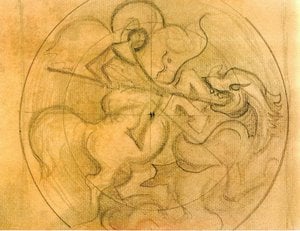
Shadow Jumper, 2007
 Conceptual Art
 2007
2007 157.0 x 113.0 cm
 Přečíst si více
Umělecké dílo zobrazené na této stránce je chráněno autorským zákonem, což znamená, že nemůžeme legálně vytvářet ani prodávat jeho identickou reprodukci. Tato ochrana je vymáhána na základě mezinárodních dohod, jako například Berberská úmluva a národními zákony, včetně těch stanovených v Americký autorský zákon – Díl 17. Všechna práva vyhrazena.
Jako etickou a právní alternativu nabízíme vlastní, ručně malovaná umělecká díla inspirovaná originálem. Naši zdatní a profesionální umělci si pečlivě studují styl, náladu a uměleckou podstatu originálu, aby vytvořili nové, jedinečné dílo, které vyvolává stejný pocit – přičemž zůstává samostatným originálním tvůrčím dílem.
Tato metoda je plně v souladu s autorským právem, protože nezahrnuje kopírování ani duplikování chráněného díla. Jde o kreativní reinterpretaci – nový obraz, který je inspirován originálem, ale není s ním identický.
Ručně malovaná olejová reprodukce
Ručně malované olejné plátno v libovolném rozměru i s rámem, vyrobené našimi umělci na zakázku. ( Přepnout na tiskové verze Přepnout na digitální verzi obrazu)




































Vyberte si z našich přednastavených velikostí, které odpovídají původním proporcím díla.

Zadejte šířku a výšku, které potřebujete pro váš rám nebo stěnu. Protože se jedná o ruční malbu, při výběru jiného formátu může umělec kolem obrazu domalovat o něco více, nebo jej mírně oříznout — rozhodnete si vy. Před zahájením malby vám zašleme digitální náhled ke schválení. Obraz zobrazený na této stránce neodpovídá skutečnému výsledku — pouze digitální náhled jej zobrazuje.
Po přijetí objednávky vám tým ArtsDot.com zašle e-mail s pokyny a poskytne náhledovou verzi.
Celosvětová doprava () za 3–4 týdny namísto standardních 5 týdnů. (23 říjen). Bez kompromisů v kvalitě.

Zdarma celosvětová expresní doprava

Vysoce kvalitní lněné plátno

Úplné pojištění přepravy

Záruka vrácení celního poplatku

Záruka věrného barevného shodu

100dení lhůta pro vrácení zboží (pouze při vadách výroby)

100% garance vrácení peněz

Sleva při více objednávkách
 Skleněná varianta je dostupná pouze u rozměrů menších než 110 cm

Shadow Jumper, 2007
Technika provedení
Velikost reprodukce
-


Celková cena
Kč 5641
Související díla


Biografie umělce
The Shadowy Provocateur: Richard Hambleton and the Specter of Urban Decay
Richard Hambleton emerged from the vibrant, yet often chaotic, New York art scene of the 1970s as a figure shrouded in mystery and intent. Born in Victoria, British Columbia, Canada, in 1943, his early life was marked by a nomadic spirit and a fascination with performance and disguise. Before establishing himself as a painter, Hambleton honed his skills as an actor and street performer, traveling extensively throughout Europe and the United States. This formative period instilled within him a deep understanding of public space and the power of ephemeral interventions – experiences that would profoundly shape his artistic trajectory. He wasn’t initially drawn to the gallery system; instead, he sought to infiltrate the city itself, transforming its walls and sidewalks into canvases for his provocative imagery. Hambleton's work is inextricably linked with the gritty realities of 1980s New York, a period defined by economic hardship, rising crime rates, and the burgeoning AIDS epidemic. He didn’t simply depict this environment; he actively engaged with it, using art as a form of social commentary and a haunting reflection of urban anxieties.From Performance to Painted Shadows: A Unique Artistic Language
Hambleton's artistic breakthrough came in the early 1980s with his “Shadowman” series. These striking images, depicting chalk outlines of figures seemingly falling or collapsing against buildings, became ubiquitous throughout downtown Manhattan. The *Shadowmen* weren’t merely representations of violence; they were ghostly apparitions, evoking a sense of vulnerability and premonition. They spoke to the unseen dangers lurking in the city's shadows, the constant threat of mortality that permeated everyday life. The brilliance of this work lay not only in its visual impact but also in its method of dissemination. Hambleton and his crew would surreptitiously create these outlines overnight, transforming public spaces into impromptu crime scenes. This guerilla tactic bypassed traditional art institutions, bringing his message directly to the people. He wasn’t seeking admiration within the confines of a gallery; he wanted to provoke a reaction, to disrupt the complacency of urban dwellers. The *Shadowman* series was often interpreted as a commentary on police brutality and the increasing number of unsolved crimes in New York City, but Hambleton himself resisted definitive interpretations, preferring to leave his work open-ended and ambiguous. He also created “Night Drawings,” large-scale murals painted directly onto buildings, often depicting cowboys, marines, and other archetypal figures engaged in acts of violence or despair. These works further solidified his reputation as a chronicler of the city’s darker side.Influences and Artistic Kinships
While Hambleton carved out a distinctly unique artistic niche, he was undoubtedly influenced by the broader currents of contemporary art. He shared affinities with the burgeoning street art movement, particularly artists like Keith Haring and Jean-Michel Basquiat, though his work possessed a markedly different tone. Unlike Haring’s playful exuberance or Basquiat’s neo-expressionist energy, Hambleton's aesthetic was characterized by starkness, minimalism, and a pervasive sense of dread. He also drew inspiration from the conceptual art practices of artists like Sol LeWitt and Robert Smithson, particularly their interest in site-specificity and the dematerialization of the artwork. The influence of film noir is readily apparent in Hambleton’s work, with its shadowy figures, dramatic lighting, and themes of alienation and moral ambiguity. He was fascinated by the visual language of detective stories and the way they captured the anxieties of modern urban life. Furthermore, his use of performance and disguise can be seen as a precursor to the identity-based art practices that would emerge in the 1990s. He often collaborated with other artists and performers, blurring the boundaries between art and life and challenging conventional notions of authorship.Major Achievements and Lasting Legacy
Hambleton’s impact on the art world extends beyond his iconic *Shadowman* series. Throughout the 1980s, he continued to push the boundaries of public art, creating increasingly ambitious and provocative interventions. His “Horse Paintings,” depicting skeletal horses against urban backdrops, were particularly striking, serving as a metaphor for the decay and fragility of life. He also explored themes of political corruption and social injustice in his work, often using satire and irony to expose hypocrisy and abuse of power. Despite achieving considerable recognition during his lifetime – including exhibitions at prominent galleries and museums – Hambleton remained an outsider figure, fiercely independent and resistant to categorization. In the late 1980s and early 1990s, he largely withdrew from the art world, battling personal demons and struggling with illness. However, in recent years, there has been a renewed interest in his work, fueled by a growing appreciation for its prescience and enduring relevance. His influence can be seen in the work of contemporary artists who engage with public space and address themes of social and political unrest. Hambleton’s legacy lies not only in his striking imagery but also in his pioneering use of guerilla tactics and his commitment to challenging conventional artistic norms. He demonstrated that art could exist outside the confines of the gallery, transforming the city itself into a canvas for dissent and reflection. His work continues to haunt the streets of New York and beyond, serving as a potent reminder of the anxieties and uncertainties of modern life.Historical Significance
Richard Hambleton’s contribution to art history is multifaceted. He was a key figure in the development of street art, paving the way for subsequent generations of artists who embraced public space as their medium. His *Shadowman* series remains one of the most iconic and enduring images of 1980s New York, capturing the city’s gritty atmosphere and its underlying sense of unease.- He challenged the traditional boundaries between art and life, blurring the lines between public intervention and artistic expression.
- His work served as a powerful commentary on social and political issues, exposing hypocrisy, abuse of power, and the fragility of human existence.
- He demonstrated that art could be accessible to everyone, bypassing traditional institutions and bringing his message directly to the people.
- His pioneering use of guerilla tactics influenced a generation of artists who embraced unconventional methods of dissemination.
