


 Zobrazit v interiéru
 Odeslat
 Sdílet
 Podrobnosti
 Průvodce

 Stáhnout obrázek
 Podobné kousky
 Rentgenové snímky
 Slideshow
 Statistiky
Sideboard
 1805
1805 103.0 x 189.0 cm
 Taft Museum of Art
 Přečíst si více
Umělecké dílo zobrazené na této stránce je chráněno autorským zákonem, což znamená, že nemůžeme legálně vytvářet ani prodávat jeho identickou reprodukci. Tato ochrana je vymáhána na základě mezinárodních dohod, jako například Berberská úmluva a národními zákony, včetně těch stanovených v Americký autorský zákon – Díl 17. Všechna práva vyhrazena.
Jako etickou a právní alternativu nabízíme vlastní, ručně malovaná umělecká díla inspirovaná originálem. Naši zdatní a profesionální umělci si pečlivě studují styl, náladu a uměleckou podstatu originálu, aby vytvořili nové, jedinečné dílo, které vyvolává stejný pocit – přičemž zůstává samostatným originálním tvůrčím dílem.
Tato metoda je plně v souladu s autorským právem, protože nezahrnuje kopírování ani duplikování chráněného díla. Jde o kreativní reinterpretaci – nový obraz, který je inspirován originálem, ale není s ním identický.
Ručně malovaná olejová reprodukce
Ručně malované olejné plátno v libovolném rozměru i s rámem, vyrobené našimi umělci na zakázku. ( Přepnout na tiskové verze Přepnout na digitální verzi obrazu)




































Vyberte si z našich přednastavených velikostí, které odpovídají původním proporcím díla.

Zadejte šířku a výšku, které potřebujete pro váš rám nebo stěnu. Protože se jedná o ruční malbu, při výběru jiného formátu může umělec kolem obrazu domalovat o něco více, nebo jej mírně oříznout — rozhodnete si vy. Před zahájením malby vám zašleme digitální náhled ke schválení. Obraz zobrazený na této stránce neodpovídá skutečnému výsledku — pouze digitální náhled jej zobrazuje.
Po přijetí objednávky vám tým ArtsDot.com zašle e-mail s pokyny a poskytne náhledovou verzi.
Celosvětová doprava () za 3–4 týdny namísto standardních 5 týdnů. (22 říjen). Bez kompromisů v kvalitě.

Zdarma celosvětová expresní doprava

Vysoce kvalitní lněné plátno

Úplné pojištění přepravy

Záruka vrácení celního poplatku

Záruka věrného barevného shodu

100dení lhůta pro vrácení zboží (pouze při vadách výroby)

100% garance vrácení peněz

Sleva při více objednávkách
 Skleněná varianta je dostupná pouze u rozměrů menších než 110 cm

Sideboard
Technika provedení
Velikost reprodukce
-


Celková cena
Kč 5630
Související díla


Biografie umělce
The Genesis of a Craftsman
Born in the rugged landscape of Hanover County, Virginia, in 1779, Porter Clay emerged from a lineage where precision and devotion were inextricably linked. As the son of the Reverend John Clay, his early years were steeped in an atmosphere of meticulous care, a legacy inherited from a father who viewed the world through a lens of profound detail. This foundational discipline prepared him for a life far removed from the pulpit, yet equally dedicated to the pursuit of perfection. When the frontier spirit beckoned toward Kentucky, Clay brought with him more than just tools; he carried an ancestral reverence for the transformation of raw, natural elements into enduring legacies of beauty.The Lexington Workshop and Material Mastery
In the burgeoning heart of Lexington, Kentucky, Clay established a workshop that would become synonymous with American excellence. His artistry was a tactile dialogue with the forest itself, as he skillfully manipulated the rich textures of cherry wood, crotch cherry, and the shimmering patterns of tiger maple. Each piece was a testament to his technical prowess, often elevated by the striking addition of brass mounts—elements that provided a brilliant, metallic counterpoint to the warm, organic grains of the timber. His work embodied a seamless marriage of form and function, where the structural integrity of a sideboard or table was inseparable from its aesthetic grace.A Bold Aesthetic Vision
While rooted in the traditions of his era, Clay’s creative spirit possessed an unconventional edge that hinted at a deeper, more experimental impulse. He embraced a stylistic sensibility akin to the burgeoning neo-dada movement, seeking to bridge the gap between formal artistry and the raw immediacy of everyday experience. This desire to challenge established conventions is most evident in his use of brass, which introduced a sense of spontaneity and an unconventional aesthetic flair. Much like the later approaches taken by artists such as Elbridge Ayer Burbank, Clay’s approach sought to infuse the inanimate object with a living, breathing energy, ensuring that his furniture was never merely utilitarian, but rather a profound expression of artistic experimentation.A Lasting Legacy in American Art
The significance of Porter Clay extends far beyond the borders of Kentucky. As the brother of the legendary statesman Henry Clay, his life was intertwined with the very fabric of American history, yet his contribution remained uniquely his own—a quiet, enduring mastery of the decorative arts. Though his personal journey may have been as mercurative as the woods he worked, his impact on the landscape of 18th and 19th-century craftsmanship remains indelible. Today, his pieces stand as silent witnesses to a period of American growth, reminding us that true artistry lies in the ability to find elegance within the grain of the wood and strength within the precision of the craft.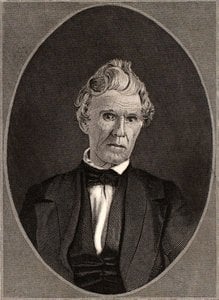
Porter Clay
1779 - , United States of America
Rychlé informace
- Full Name: Porter Clay
- Nationality: American
- Date Of Birth: 1779
- Place Of Birth: Hanover County, United States of America
- Notable Artworks: ['Sideboard']
- Artistic Movement Or Style: Neo-Dada
- Artists Who Influenced This Artist: ['Lucas Cranach the Elder']
- Artists Or Movements Influenced By This Artist: ['Elbridge Ayer Burbank']