

 Náhled v interiéru
 Sdílet
 Sdílet
 Podrobnosti o díle
 Průvodce

 Stáhnout
 Podobné položky
 Rentgenové snímky
 Slideshow
 Otázky a odpovědi
 Statistiky
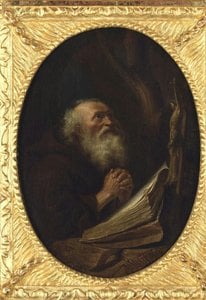
Saint Peter


 Zobrazit více
Umělecké dílo zobrazené na této stránce je chráněno autorským zákonem, což znamená, že nemůžeme legálně vytvářet ani prodávat jeho identickou reprodukci. Tato ochrana je vymáhána na základě mezinárodních dohod, jako například Berberská úmluva a národními zákony, včetně těch stanovených v Americký autorský zákon – Díl 17. Všechna práva vyhrazena.
Tato metoda je plně v souladu s autorským právem, protože nezahrnuje kopírování ani duplikování chráněného díla. Jde o kreativní reinterpretaci – nový obraz, který je inspirován originálem, ale není s ním identický.
Giclée / Umělecký tisk
Giclée nebo plátěný tisk muzeální kvality s rychlou výrobou a širokou nabídkou povrchových úprav. ( Koupit ručně malovaný obraz Přepnout na digitální obraz)




P118B Kč10

P118H Kč10

P118W Kč10

P438Z Kč10

P508JH Kč12

P508YH Kč12

P805H Kč10

P805Z Kč10

P919BZ Kč10

P919G Kč10

P919XJ Kč10

P959ZH Kč10

P968JZ Kč12

W106C Kč8

W218G Kč10

W218JH Kč8

W218Y Kč10

W307PJ Kč10

W316G Kč10

W316PJ Kč8

W316Y Kč10

W398PJ Kč8

W4111J Kč10

W500HY Kč15

W500JH Kč15

W692G Kč12

W849H Kč8

W940BG Kč15

W953PJ Kč8




Vyberte si z našich přednastavených velikostí, které odpovídají původním proporcím díla.

Zadejte šířku a výšku, které potřebujete pro váš rám nebo stěnu. Tisk lze pouze oříznout, nikdy však nelze zvětšit obraz nad jeho původní rozměr, proto při výběru jiného formátu dochází ke ztrátě části obrazu. Před samotným tiskem vám zašleme digitální náhled k schválení. Obraz zobrazený na této stránce nenabízí skutečný výřez — ten uvidíte pouze v náhledu.
Celosvětové doručení () do 2 týdnů namísto standardních 4/5 týdnů. (12 listopad)

Zdarma celosvětová expresní doprava

Vysoce kvalitní lněné plátno

Kompletní pojištění přepravy

Záruka vrácení celního poplatku

Záruka věrného barevného souladu

100dení lhůta pro vrácení zboží (pouze při vadách výroby)

100% záruka vrácení peněz

Sleva při více objednávkách
 Skleněná varianta je dostupná pouze u rozměrů menších než 110 cm

Saint Peter
Giclée / Umělecký tisk
Rozměry reprodukce
-


Celková cena za vybrané možnosti reprodukcí
Kč 1372
Otázky a odpovědi
Kde si mohu koupit print díla „Saint Peter“ od Pietro Ricchi?
Dílo "Saint Peter" je k dispozici jako umělecký tisk na bavlněném plátně nebo archivním plátnovém papíře. Objednávku můžete zadat na stránce Kvalitní umělecký tisk v požadované velikosti.
V jakém věku vytvořil/a Pietro Ricchi dílo „Saint Peter"?
Pietro Ricchi bylo 44 let, když v roce 1650 vytvořilo dílo „Saint Peter“. Věk je vypočítán z roku narození umělce, 1606.
Jaké emoce vyvolávají barvy díla „Saint Peter“ od Pietro Ricchi?
Paleta Earthy díla „Saint Peter“ od Pietro Ricchi harmonizuje s jeho Spiritual emocionálním vyzněním. Barva je jedním ze způsobů, jakými umělecké dílo předává pocity.
Podobná díla



Biografie umělce
A Brush with Devotion: The Life and Art of Pietro Ricchi
Pietro Ricchi, a name resonating within the artistic heart of Venice and Rome, embodies a fascinating continuation of the Italian Renaissance tradition well into the 17th and 18th centuries. While biographical details remain somewhat elusive – a common trait for artists operating within the prolific workshops and patronage networks of the period – his surviving works speak volumes about his dedication to religious narrative, masterful technique, and a keen understanding of classical form. Ricchi wasn’t merely replicating styles; he was actively participating in a vibrant artistic dialogue that sought to reinvigorate sacred themes with dramatic intensity and emotional depth. His career unfolded during a time when the Baroque had begun its ascendance, yet his paintings reveal a deliberate balance between the dynamism of the new style and the enduring principles of Renaissance composition and idealized beauty.Early Training and Venetian Roots
Born in Venice (the exact year remains unconfirmed), Ricchi’s artistic journey likely began within one of the city's numerous ateliers. Venice, a republic steeped in visual splendor, provided an unparalleled education for aspiring painters. The influence of masters like Titian, Veronese, and Tintoretto was inescapable – their use of color, light, and grand scale permeated the artistic atmosphere. It’s reasonable to assume Ricchi received training in drawing, anatomy, and fresco techniques, skills essential for a painter destined to adorn both canvases and ceilings with elaborate compositions. The lagoon city's unique environment also shaped his aesthetic sensibility; the interplay of water, light, and architecture likely informed his spatial arrangements and atmospheric effects. While specific mentors are undocumented, it’s clear that Ricchi absorbed the Venetian tradition of rich colorism and dramatic storytelling. His early works demonstrate a proficiency in depicting textures – silks, velvets, and flesh tones rendered with remarkable realism – hallmarks of the Venetian school.Roman Commissions and Artistic Development
Ricchi's artistic trajectory took him to Rome, a pivotal move that broadened his horizons and exposed him to a different set of influences. The Eternal City was a magnet for artists from across Europe, drawn by the patronage of powerful families like the Barberini and the Farnese. Here, he encountered the works of Caravaggio and the High Baroque masters, witnessing firsthand the power of *tenebrism* – the dramatic use of light and shadow to create emotional impact. However, Ricchi didn’t simply adopt these new techniques wholesale. Instead, he synthesized them with his Venetian background, creating a distinctive style characterized by a harmonious blend of classical composure and Baroque dynamism. His Roman commissions often focused on religious subjects, particularly scenes from the lives of saints and biblical narratives. Paintings like those depicting Saint Paul showcase his ability to convey both physical action and spiritual fervor. The attention to detail in portraying architectural settings also suggests an engagement with the city’s rich historical landscape.Themes and Techniques: A Synthesis of Tradition and Innovation
The core of Ricchi's artistic output lies in religious painting, specifically depictions of biblical stories and the lives of saints. He frequently chose subjects that allowed him to explore themes of faith, sacrifice, and divine intervention. His *Judith Painting* exemplifies his skill in portraying complex psychological states – Judith’s determination juxtaposed with Holofernes’ vulnerability. Beyond individual portraits of piety, Ricchi also undertook larger-scale projects, decorating churches and chapels with elaborate frescoes and altarpieces. A notable example is his work within the Basilica di San Pietro in Rome, where he contributed to the ongoing embellishment of this iconic structure. His technique reveals a meticulous approach to composition, often employing diagonal lines to create a sense of movement and drama. He was also adept at using color to guide the viewer’s eye and emphasize key elements within his paintings. The *Morra Players Art* demonstrates his ability to capture fleeting moments of tension and anticipation. Ricchi's engagement with classical sculpture – particularly Michelangelo’s work, as evidenced in studies after *Moses* – is apparent in the anatomical accuracy and idealized forms of his figures.Historical Significance and Enduring Legacy
Pietro Ricchi occupies a unique position within the history of Italian art. He wasn't a revolutionary innovator like Caravaggio, but rather a skilled practitioner who successfully bridged the gap between Renaissance ideals and Baroque sensibilities. His work reflects a conscious effort to uphold artistic traditions while embracing new stylistic developments. While not as widely celebrated as some of his contemporaries, Ricchi’s paintings continue to captivate viewers with their technical brilliance, emotional depth, and compelling narratives. His contributions to the decoration of significant religious sites – particularly in Venice and Rome – ensure that his legacy endures. He represents a vital link in the chain of artistic transmission, demonstrating how Renaissance principles were adapted and reinterpreted by subsequent generations of painters. The continued appreciation for his art speaks to the timeless power of devotional imagery and the enduring appeal of masterful craftsmanship.
Pietro Ricchi
1606 - 1675 , Republic of Lucca
Související články
Pietro Perugino: Umbrian Master of Serenity & Precursor to Raphael's High Renaissance
Explore the life & art of Pietro Perugino, a pivotal Renaissance master and Raphael’s influential teacher. Discover his serene compositions, Sistine Chapel frescoes, and lasting legacy with ArtsDot.

Francesco Guardi: Venetian Light, Atmospheric Perspective & the Rococo to Neoclassical Transition
Explore the captivating world of Francesco Guardi, master of Venetian light and atmosphere. Discover his transition from Rococo to Neoclassicism, influence on Impressionism & investment potential with ArtsDot.

Pietro Perugino: A Renaissance Master's Legacy of Grace & Spiritual Depth
Explore the serene beauty & spiritual depth of Pietro Perugino's Renaissance masterpieces. Discover his influence on Raphael, key works like 'Baptism of Christ,' and legacy as a leading Umbrian painter.

From Grandeur to Grace: Exploring the Evolution of Baroque & Rococo Art
Explore the captivating evolution from Baroque's drama to Rococo's grace! Discover key artists, characteristics & lasting influence of these art movements with expert insights at ArtsDot.

Pietro da Cortona: Baroque Grandeur & the Synthesis of Roman Painting
Explore the life & masterpieces of Pietro da Cortona, a defining figure of the Italian Baroque. Discover his stunning frescoes at Palazzo Barberini and lasting influence on Roman art history. Learn more with ArtsDot.