
- Domů

- Tisk na plátno
- Pieter Jansz Post
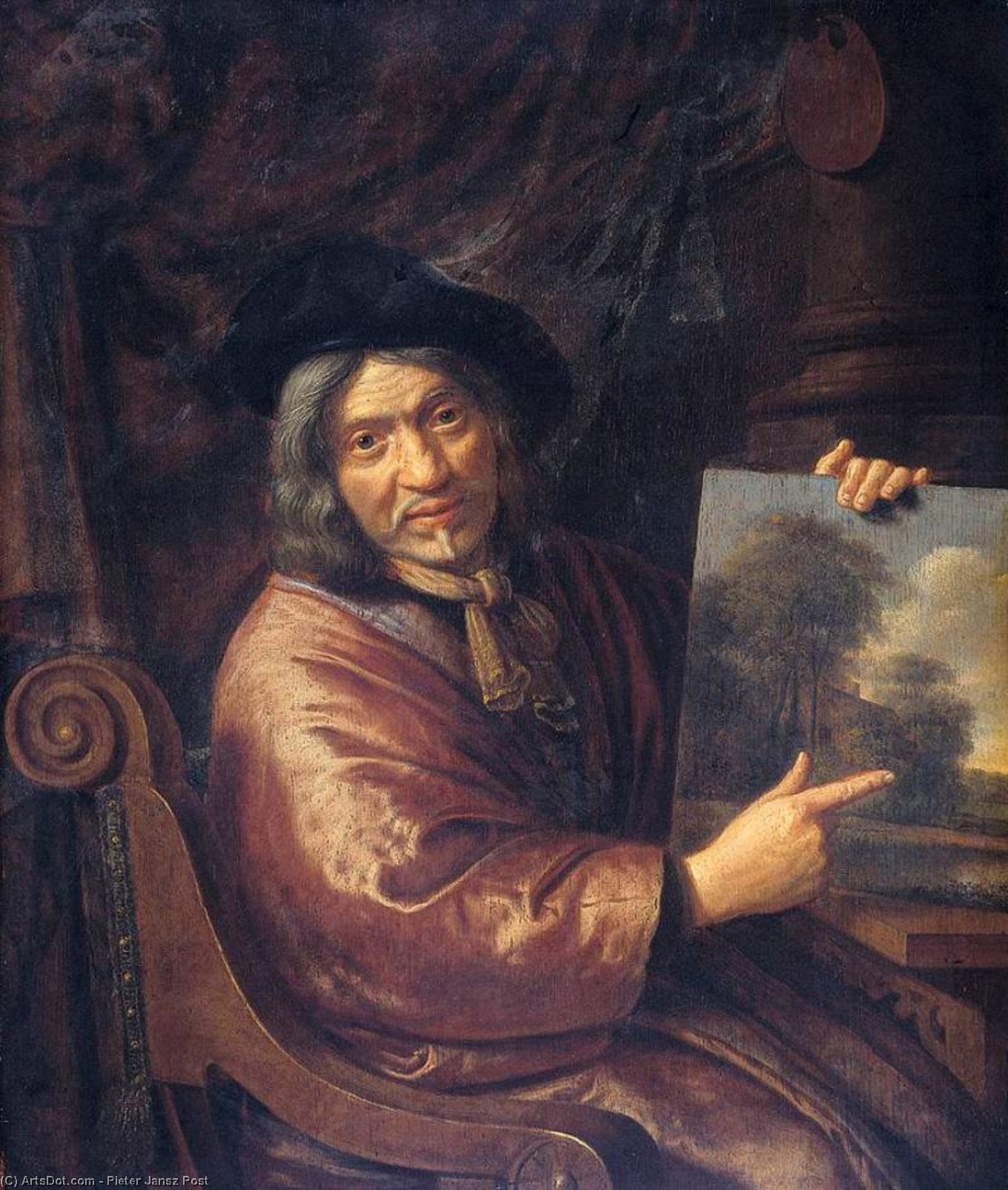
- Self-portrait
 Preview
 Objednat reprodukci Koupit digitální obrázek
 Sdílet
 Sdílet
 Podrobnosti o díle
 Přidat do oblíbených

 Stáhnout
 Podobné položky
 Rentgenové snímky
 Slideshow
Self-portrait

 Zobrazit více
Giclée / Umělecký tisk
Giclée nebo plátěný tisk muzeální kvality s rychlou výrobou a flexibilními možnostmi povrchové úpravy.




P118B $10

P118H $10

P118W $10

P438Z $10

P508JH $12

P508YH $12

P805H $10

P805Z $10

P919BZ $10

P919G $10

P919XJ $10

P959ZH $10

P968JZ $12

W106C $8

W218G $10

W218JH $8

W218Y $10

W307PJ $10

W316G $10

W316PJ $8

W316Y $10

W398PJ $8

W4111J $10

W500HY $15

W500JH $15

W692G $12

W849H $8

W940BG $15

W953PJ $8




Vyberte si z našich přednastavených velikostí, které odpovídají původním proporcím díla.

Můžete zadat vlastní rozměry tak, aby výtvor odpovídal konkrétnímu rámu nebo prostoru. Pokud zvolená velikost nebude odpovídat poměru stran původního obrazu, dílo buď ořížeme, nebo obraz rozšíříme pomocí zrcadlového efektu či jednobarevného okraje. Před zahájením výroby vám bude zaslán digitální náhled k schválení.
Mějte prosím na paměti, že náhled na obrazovce neodráží skutečné oříznutí nebo rozšíření. Pouze digitální náhled přesně zobrazí finální kompozici.
Ačkoliv jsou k dispozici i vlastní rozměry, pro zachování původních proporcí doporučujeme vybrat si rozměr z předdefinovaného seznamu.
Celosvětové doručení () do 2 týdnů namísto standardních 4/5 týdnů. (27 červenec)

Zdarma celosvětová expresní doprava

Vysoce kvalitní lněné plátno

Kompletní přepravní pojištění

Záruka vrácení celního poplatku

Záruka přesného barevného shodu

60denní lhůta pro vrácení zboží (pouze při vadách výroby)

100% garance vrácení peněz

Sleva při hromadné objednávce
 Skleněná varianta je dostupná pouze u rozměrů menších než 110 cm

Self-portrait
Giclée / Umělecký tisk
Rozměry reprodukce
-


Celková cena za výběr
-
Podobná umělecká díla


Biografie umělce
Pieter Jansz Post: Architect of Baroque Harmony
Pieter Jansz Post (1 May 1608 – buried 8 May 1669) stands as a pivotal figure in Dutch Golden Age art and architecture, celebrated for his contribution to the baroque style and his collaborative partnership with Jacob van Campen. Born in Haarlem, the son of a stained-glass painter and older brother to Frans Post, he possessed an artistic lineage that profoundly shaped his own creative trajectory. His life’s work embodies both architectural innovation and masterful landscape painting—a duality reflecting the broader intellectual currents of his era. ### Early Life & Artistic Training Post's formative years were steeped in artistic tradition. Growing up amidst a vibrant guild system fostered by St Luke, he received rigorous training in drawing and painting techniques, skills honed under the tutelage of his father and undoubtedly influencing his later stylistic choices. Notably, Frans Post, his brother, introduced him to Maurice of Nassau, Prince of Orange, during the planning stages for the Mauritshuis—a connection that would prove instrumental in securing commissions and establishing a lasting professional relationship. This familial influence extended beyond artistic mentorship; it instilled a deep appreciation for patronage and the importance of aligning creative endeavors with political ambition. ### Architectural Collaborations & Landmark Designs Post’s architectural legacy rests primarily on his collaborations with Jacob van Campen, forging an alliance that revolutionized Dutch building aesthetics. Together, they conceived and executed monumental projects—most notably the Mauritshuis in The Hague—a palace designed to showcase Dutch maritime prowess and artistic excellence. Their approach prioritized grandeur, symmetry, and refined ornamentation, embodying the baroque ideal of theatrical spectacle and conveying a sense of imperial authority. Beyond the Mauritshuis, Post oversaw significant additions to Paleis Noordeinde, contributing to its opulent interiors and establishing himself as the foremost architect of Frederik Hendrik’s court. The House at Prinsegracht 15, featuring a distinctive tower designed by Post, exemplifies his commitment to experimentation and pushing architectural boundaries. Furthermore, he served as architect for Maastricht City Hall—a testament to his versatility and ability to adapt to diverse commissions. ### Landscape Painting & Artistic Vision While primarily recognized for his architectural achievements, Post was also a skilled landscape painter, capturing the serene beauty of Dutch countryside with remarkable precision and sensitivity. His canvases depict expansive vistas bathed in soft light, reflecting an interest in humanist ideals that championed observation and contemplation—values central to the baroque aesthetic. Unlike many contemporaries who favored idealized representations, Post’s landscapes conveyed a palpable sense of realism, informed by meticulous botanical studies and conveying a profound connection to nature. Paintings like “Italianate Landscape With The Parting Of Jacob And Laban” demonstrate his ability to distill complex emotions into evocative visual forms. ### Legacy & Influence Pieter Jansz Post's influence extended far beyond his immediate projects. He mentored younger architects, fostering the development of a distinctive baroque style that would endure for decades after his death. His daughter Rachel Ruysch became a celebrated flower painter—a continuation of artistic heritage and testament to Post’s enduring legacy. Moreover, his grandson Mauryts Post pursued architectural endeavors, perpetuating the family tradition of innovation and excellence. Pieter Jansz Post remains an icon of Dutch Golden Age artistry, embodying the harmonious fusion of architecture and landscape painting—a synthesis that continues to inspire artists and scholars alike. His work stands as a cornerstone of baroque design and a poignant reminder of the transformative power of artistic vision.
Pieter Jansz Post
1608 - 1669 , Netherlands
Rychlé fakta
- Artistic Movement Or Style: Baroque
- Artists Or Movements Influenced By This Artist: ['Mauritshuis']
- Artists Who Influenced This Artist: ['Jacob van Campen']
- Date Of Birth: May 1, 1608
- Date Of Death: May 8, 1669
- Full Name: Pieter Jansz Post
- Nationality: Dutch
- Notable Artworks:
- Italianate Landscape With The Parting Of Jacob And Laban
- Landscape
- Place Of Birth: Haarlem, Netherlands
Související články

Rembrandt van Rijn: Top 25 mistrovských děl pro váš interiér | ArtsDot.cz
Prozkoumejte 25 nejlepších děl Rembrandta van Rijna – od portrétů po biblické scény. Objevte příběhy, techniky a inspiraci nizozemského baroka. Reprodukce obrazů pro váš interiér na ArtsDot.cz.

Barokní malba: 10 mistrovských děl, které definovaly éru | ArtsDot.cz
Prozkoumejte 10 ikonických děl barokní malby – od Rembrandta po Caravaggia. Objevte příběhy mistrů, techniky a dramatickou krásu tohoto uměleckého období. Reprodukce obrazů nejvyšší kvality na ArtsDot.cz! Prohlédněte si celou kolekci online.
25 Mistrovských Děl Alte Pinakothek: Umění a Krása pro Váš Domov | ArtsDot
Prozkoumejte 25 ikonických děl Alte Pinakothek v Mnichově! Obrazy Da Vinciho, Rembrandta a Rubense ožívají. Inspirujte se pro váš interiér s reprodukcemi nejvyšší kvality na ArtsDot.com.

Top 10 Klasických Uměleckých Děl pro Elegantní Interiér | ArtsDot.cz
Prozkoumejte 10 klasických uměleckých děl – od Van Gogha po Moneta. Objevte příběhy, techniky a nadčasovou krásu ikonických obrazů. Najděte inspiraci pro elegantní interiér s reprodukcemi nejvyšší kvality na ArtsDot.com

Umění 17. století: Top 10 děl a jejich příběhy | ArtsDot.cz
Prozkoumejte 10 ikonických děl umění 17. století – od Rembrandta po Vermeera! Objevte příběhy, techniky a barokní krásu těchto mistrovských kousků. Reprodukce obrazů nejvyšší kvality na ArtsDot.com.

