


 Náhled
 Sdílet
 Sdílet
 Podrobnosti o díle

 Stáhnout
 Podobné položky
 Rentgenové snímky
 Slideshow
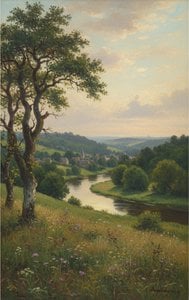
A Landscape With Cows

 Zobrazit více
Giclée / Umělecký tisk
Giclée nebo plátěný tisk muzeální kvality s rychlou výrobou a flexibilními možnostmi povrchové úpravy. ( Koupit ručně malovaný obraz Koupit obrázek)




P118B $10

P118H $10

P118W $10

P438Z $10

P508JH $12

P508YH $12

P805H $10

P805Z $10

P919BZ $10

P919G $10

P919XJ $10

P959ZH $10

P968JZ $12

W106C $8

W218G $10

W218JH $8

W218Y $10

W307PJ $10

W316G $10

W316PJ $8

W316Y $10

W398PJ $8

W4111J $10

W500HY $15

W500JH $15

W692G $12

W849H $8

W940BG $15

W953PJ $8




Vyberte si z našich přednastavených velikostí, které odpovídají původním proporcím díla.

Můžete zadat vlastní rozměry tak, aby výtvor odpovídal konkrétnímu rámu nebo prostoru. Pokud zvolená velikost nebude odpovídat poměru stran původního obrazu, dílo buď ořížeme, nebo obraz rozšíříme pomocí zrcadlového efektu či jednobarevného okraje. Před zahájením výroby vám bude zaslán digitální náhled k schválení.
Mějte prosím na paměti, že náhled na obrazovce neodráží skutečné oříznutí nebo rozšíření. Pouze digitální náhled přesně zobrazí finální kompozici.
Ačkoliv jsou k dispozici i vlastní rozměry, pro zachování původních proporcí doporučujeme vybrat si rozměr z předdefinovaného seznamu.
Celosvětové doručení () do 2 týdnů namísto standardních 4/5 týdnů. (1 září)

Zdarma celosvětová expresní doprava

Vysoce kvalitní lněné plátno

Kompletní přepravní pojištění

Záruka vrácení celního poplatku

Záruka přesného barevného shodu

60denní lhůta pro vrácení zboží (pouze při vadách výroby)

100% garance vrácení peněz

Sleva při hromadné objednávce
 Skleněná varianta je dostupná pouze u rozměrů menších než 110 cm

A Landscape With Cows
Giclée / Umělecký tisk
Rozměry reprodukce
-


Celková cena za výběr
$ 62
Podobná umělecká díla


Biografie umělce
The Soul of the French Landscape: The Life and Legacy of Pierre-Emmanuel Damoye
In the golden twilight of the nineteenth century, as the rigid structures of academic realism began to dissolve into the luminous experiments of Impressionism, there emerged a painter who could bridge the gap between tradition and innovation. Pierre-Emmanuel Damoye, born in Paris on February 20, 1847, was not merely a chronicler of nature but a poet of the earth. His journey began in the heart of France, nurtured by the rigorous training of the École des Beaux-Arts under the watchful eye of Léon Bonnat. While his mentor was a master of the human form and portraiture, Damoye’s heart belonged to the horizon. He possessed an innate sensitivity to the shifting light and the quiet drama of the countryside, a passion that would eventually lead him to become one of the most significant heirs to the Barbizon School tradition.
Damoye’s artistic evolution was deeply intertwined with the landscapes he inhabited. As a prominent figure within the School of Pontoise, he found his muse along the winding banks of the Seine and Oise rivers. This group of dedicated landscapists sought to capture the raw, unadorned beauty of the French terrain, often establishing their lives in small riverside communities. Through his eyes, the riverbanks became stages for light and shadow, where the movement of water and the rustle of leaves were rendered with a profound sense of presence. His work frequently wandered through the upland plateaus of the Oise basin, the lush expanses of Picardy, and even the sweeping vistas of the Loire Valley, occasionally venturing to the rugged Normandy coast to capture the salt-sprayed atmosphere of the sea.
A Tapestry of Influence and Technique
To understand the brushwork of Damoye is to understand the lineage of French landscape painting. His early works from the late 1860s breathe with the quiet, tonal harmonies of Jean-Baptiste-Camille Corot, reflecting a reverence for the subtle, silvery light that defined the Barbizon era. Yet, there was an unmistakable vitality in his palette that pointed toward a more modern sensibility. Drawing inspiration from Charles-François Daubigny, Damoye embraced a brighter range of colors and a looser, more expressive technique. This "impressionistic" touch allowed him to capture the ephemeral qualities of weather and atmosphere—the heavy moisture of a morning mist or the brilliant clarity of a summer afternoon.
What truly distinguished Damoye from his predecessors was his ability to cultivate an independent vision. While he remained deeply cognizant of the masters who came before him, he refused to be a mere imitator. He developed a highly personalized color scheme and a repertoire of compositions that felt uniquely his own. His canvases are celebrated for their:
- Sweeping Skies: Vast, atmospheric heavens that dominate his compositions and dictate the mood of the landscape.
- Vibrant Farmlands: Richly textured plains and agricultural scenes that celebrate the fertility and rhythm of rural life.
- Tree-Studded Plains: Carefully balanced arrangements of foliage that provide structure and depth to his expansive vistas.
Ascension to Artistic Eminence
The trajectory of Damoye’s career was marked by a rapid and well-deserved ascent within the prestigious French art circles. He began making his mark at the Salon in 1875 with his evocative work L’hiver, and almost immediately, critics began to recognize his unique ability to breathe life into the landscape. His rise was nothing short of meteoric; by 1879, he had been honored with a bronze medal, followed by a second-class medal in 1884. The pinnacle of his professional recognition arrived at the Exposition Universelle of 1889, where he was awarded a prestigious gold medal, cementing his status as a master of his craft on the global stage.
By the turn of the century, Damoye had transitioned from a rising talent to an established authority, even joining the jury of the Salon in 1900. His legacy is preserved not only in the prestigious collections of the Louvre and the Musée d’Orsay in Paris but also in the enduring emotional resonance of his paintings. He remains a vital link in the history of art, representing that beautiful moment in time when the grounded, soulful traditions of the Barbizon School met the light-drenched, transformative energy of Impressionism. Through his work, the landscapes of France continue to speak, offering a timeless window into the serenity and splendor of the natural world.

pierre-emmanuel damoye
1847 - 1916 , France
Rychlé fakta
- Artistic Movement Or Style: Barbizon School
- Artists Or Movements Influenced By This Artist: ['Impressionism']
- Artists Who Influenced This Artist:
- Jean-Baptiste Camille Corot
- Charles François Daubigny
- Date Of Birth: February 20, 1847
- Date Of Death: January 23, 1916
- Full Name: Pierre Emmanuel Damoye
- Nationality: French
- Notable Artworks:
- Landscape with figures resting on a path and the sea in the distance
- Island saint-ouen
- A Quiet Backwater At Amiens
- Place Of Birth: Paris, France
Související články
Henri-Joseph Harpignies: Capturing the Poetic Essence of the French Landscape
Explore the serene landscapes of Henri-Joseph Harpignies, a master of the Barbizon School. Discover his atmospheric paintings, recurring themes & enduring legacy in 19th-century French art. Learn more at ArtsDot.

Evoking Nature's Sublime: A Comprehensive Exploration of 19th-Century Landscape Painting
Explore the captivating world of 19th-century landscape painting! Discover renowned artists like Friedrich & Monet, key movements, and find the perfect artwork to bring nature's serenity into your home. Expert insights at ArtsDot.

Paul Huet: Capturing the Essence of French Romanticism Through Light and Landscape
Explore the captivating world of Paul Huet (1803-1869), a master of French Romantic landscape painting. Discover his influence on Barbizon & Impressionism, and browse high-quality reproductions at ArtsDot.

The Barbizon School: Pioneering Realism & the Pastoral Vision in 19th-Century French Painting
Explore the Barbizon School's pivotal role in 19th-century French painting. Discover how these artists revolutionized landscape art with their commitment to Realism and a profound connection to nature. Learn about key figures like Rousseau, Millet & Corot.

John Constable: 25 mistrovských děl krajinářské poezie | ArtsDot.com
Prozkoumejte 25 ikonických děl Johna Constabla, mistra anglického krajinářství a romantismu. Obdivujte jeho olejomalby, plátna s venkovskou atmosférou a inspirujte se pro dekoraci interiéru. Reprodukce obrazů nejvyšší kvality na ArtsDot.com

