

 Náhled
 Sdílet
 Sdílet
 Podrobnosti o díle

 Stáhnout
 Podobné položky
 Rentgenové snímky
 Slideshow
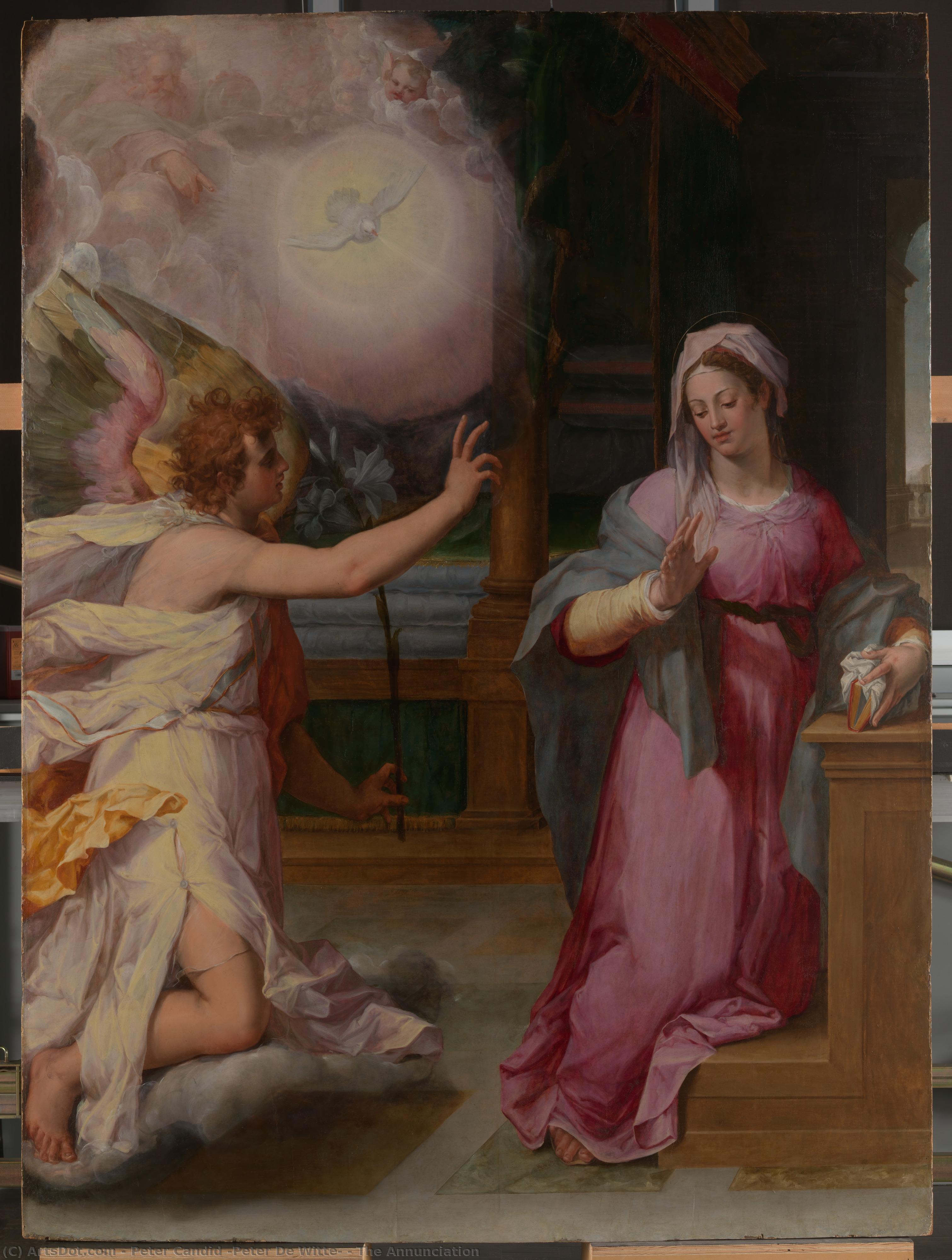
The Annunciation
 Oil On Canvas
- WallArt
- Baroque
 1585
1585 232.0 x 173.0 cm
 Metropolitní muzeum umění
 Zobrazit více
Koupě vysoce rozlišeného, vylepšeného digitálního obrazu, který je mnohem kvalitnější než online náhled.
Každý soubor je pečlivě připraven našimi odborníky pomocí pokročilých nástrojů a expertní manuální retuše. Zajišťujeme, aby každý obraz disponoval výjimečnou ostrostí, přesnou barevnou věrností a jemnými detaily.
Finální soubor vám bude do 72 hodin zaslán e-mailem, optimalizovaný pro okamžité použití v profesionálním, redakčním i tiskovém prostředí. Nabízíme stejnou kvalitu, které důvěřují špičková designová studia, nakladatelství i galerie.
Digitální obrazy
Stáhněte si soubor ve vysokém rozlišení pro osobní prohlížení, tisk a kreativní projekty. ( Přepnout na tisk Přepnout na ručně malovanou reprodukci)
Součást každé objednávky digitálního obrazu
Profesionální digitální doručení, zaručeno.
Když si vyberete ArtsDot.com, nezískáváte pouze obrázek – získáváte digitální umělecké dílo s profesionálně vylepšenými detaily, zpracované s precizností a podpořené zárukou za spokojenost. Zde je vše, co vaše objednávka automaticky obsahuje:

Rychlé doručení e-mailem
Váš digitální obraz ve vysokém rozlišení vám bude zaslán e-mailem do 72 hodin od objednávky – připraven k okamžitému použití.

Digitální soubor s využitím AI
Vaše umělecké dílo je profesionálně optimalizováno pomocí pokročilých nástrojů umělé inteligence a manuální úpravy, což zajišťuje maximální úroveň detailu, ostrosti a přesnosti barev.

Bezplatné doživotní znovuodeslání
Soubor jste omylem smazali nebo ztratili? Žádný problém – kdykoliv vám ho znovu zašleme zcela zdarma.

Bez poplatků za dovoz – navždy
Užijte si své umělecké dílo okamžitě bez celních poplatků, daní nebo nákladů na dopravu – digitální stažení je vždy bez daňových povinností.

Záruka přesnosti barev
Pomocí profesionálních nástrojů a správy barev zajišťujeme, aby váš digitální obraz odrážel původní barvy co nejvěrněji.

60denní záruka spokojenosti
Pokud nebudete s digitální fotografií spokojeni, provedeme její revizi nebo vám vrátíme 100% během 60 dnů – bez jakýchkoliv dotazů.

100% záruka vrácení peněz
Nespokojeni? Získejte plnou částku zpět do 60 dní od přijetí vašeho digitálního souboru – bez jakýchkoliv dotazů.

Slevy při hromadných objednávkách
Koupěte si 3 obrazy, ušetřete 10% - Koupěte si 5, ušetřete 15% - Koupěte si 10+, ušetřete 20%. Ideální pro kreativní projekty, galerie a agentury.
Popis sběratelského kusu
Podobná umělecká díla


Biografie umělce
Peter Candid (Peter de Witte): A Flemish Master Bridging Mannerism and Baroque
Peter Candid, known as Peter de Witte in English, was a prolific Flemish painter born in Bruges around 1548 and died in 1628. His artistic journey spanned across Europe, leaving an indelible mark on the visual arts of his time—primarily within the realms of Mannerism and Baroque painting styles. Candid’s distinctive approach combined meticulous detail with expressive dynamism, reflecting the intellectual currents of the Renaissance and its subsequent transformations.- Early Life & Training: Born into a wealthy Bruges family, Candid received an exceptional artistic education under Jan Messerschmidt, a leading Mannerist painter who instilled in him a profound understanding of classical ideals and compositional principles. This formative influence would permeate his entire oeuvre.
- Brussels Period (1576-1608): Candid established himself as a successful artist in Brussels during the Habsburg reign, attracting commissions from prominent patrons—including Maximilian I Holy Roman Emperor—and collaborating with fellow Mannerist masters like Anthony van Dyck and Rubens. His paintings showcased an impressive command of color and texture, capturing both grandeur and psychological depth.
- Roman Influence & Artistic Evolution: Candid undertook a pilgrimage to Rome in 1598, immersing himself in the artistic fervor of the Baroque era. This experience broadened his stylistic horizons, introducing him to new techniques and compositional strategies—particularly evident in his later works. He embraced dramatic lighting and theatrical staging, aligning with the prevailing aesthetic sensibilities of the period.
- Notable Works & Patronage: Candid’s output encompassed a diverse range of subjects—religious iconography, portraits, mythological scenes—demonstrating versatility and artistic ambition. His paintings graced churches and aristocratic residences throughout Europe, securing his reputation as one of the most respected artists of his generation. Among his celebrated masterpieces are “The Annunciation,” “St Margaret of Antioch,” and “Allegory of Vanity.”
- Legacy & Historical Significance: Candid’s contribution to Flemish art is undeniable. He stands as a pivotal figure in bridging the gap between Mannerism's intellectual rigor and Baroque's emotional intensity—a testament to his artistic genius and enduring influence on subsequent generations of painters. His meticulous attention to detail and expressive dynamism continue to inspire admiration and scholarly study today.
Style & Technique: A Synthesis of Classical Idealism and Baroque Drama
Candid’s artistic style was characterized by a masterful blend of Mannerist precision and Baroque theatricality. He adhered to classical proportions and idealized forms—inherited from Messerschmidt—yet infused his compositions with dramatic lighting, swirling draperies, and emotionally charged gestures. Candid skillfully employed sfumato—a technique pioneered by Leonardo da Vinci—to create subtle gradations of tone and color, enhancing the illusionistic depth of his paintings. Furthermore, he utilized chiaroscuro—the interplay between light and shadow—to sculpt figures and convey psychological states with remarkable effectiveness.- Color Palette: Candid favored vibrant hues—particularly reds, blues, and golds—reflecting the opulent tastes of his aristocratic patrons and aligning with Baroque’s expressive chromaticism.
- Compositional Devices: He employed asymmetrical arrangements and dynamic diagonals to generate visual tension and captivate the viewer's gaze—a hallmark of Mannerist aesthetics adapted for Baroque grandeur.
- Brushwork & Texture: Candid’s brushstrokes were deliberate and controlled, conveying both smoothness and textural richness—essential elements in achieving a convincing illusionistic surface.
Influences & Artistic Connections
Candid's artistic development was profoundly shaped by the intellectual environment of Bruges and Brussels during his formative years. The humanist ideals championed by Erasmus of Rotterdam instilled in him a belief in reason and observation—influencing his meticulous rendering of anatomical detail and classical references. He closely followed the stylistic innovations of Mannerist masters like Parmigianino and Bronzino, absorbing their techniques and compositional strategies. Simultaneously, Candid engaged with the burgeoning Baroque movement in Rome, recognizing its expressive potential and embracing new artistic conventions. His collaborations with Rubens and Van Dyck fostered a vibrant artistic dialogue—enriching his oeuvre and cementing his place within the Flemish Renaissance canon.
peter candid (peter de witte)
1548 - 1628 , Belgium
Stručné informace
- Artistic Movement Or Style: Mannerism & Baroque
- Date Of Birth: 1548
- Full Name: Peter Candid (Peter de Witte)
- Nationality: Flemish
- Notable Artworks:
- The Annunciation
- St Margaret of Antioch
- Allegory of Vanity
- Place Of Birth: Bruges, Belgium

