

 Náhled v interiéru
 Sdílet
 Sdílet
 Podrobnosti o díle
 Průvodce

 Stáhnout
 Podobné položky
 Rentgenové snímky
 Slideshow
 Otázky a odpovědi
 Statistiky
Number 23, 1951

- 148.0 x 119.0 cm


 Zobrazit více
Giclée / Umělecký tisk
Giclée nebo plátěný tisk muzeální kvality s rychlou výrobou a širokou nabídkou povrchových úprav. ( Koupit ručně malovaný obraz Přepnout na digitální obraz)




P118B Kč10

P118H Kč10

P118W Kč10

P438Z Kč10

P508JH Kč12

P508YH Kč12

P805H Kč10

P805Z Kč10

P919BZ Kč10

P919G Kč10

P919XJ Kč10

P959ZH Kč10

P968JZ Kč12

W106C Kč8

W218G Kč10

W218JH Kč8

W218Y Kč10

W307PJ Kč10

W316G Kč10

W316PJ Kč8

W316Y Kč10

W398PJ Kč8

W4111J Kč10

W500HY Kč15

W500JH Kč15

W692G Kč12

W849H Kč8

W940BG Kč15

W953PJ Kč8




Vyberte si z našich přednastavených velikostí, které odpovídají původním proporcím díla.

Zadejte šířku a výšku, které potřebujete pro váš rám nebo stěnu. Tisk lze pouze oříznout, nikdy však nelze zvětšit obraz nad jeho původní rozměr, proto při výběru jiného formátu dochází ke ztrátě části obrazu. Před samotným tiskem vám zašleme digitální náhled k schválení. Obraz zobrazený na této stránce nenabízí skutečný výřez — ten uvidíte pouze v náhledu.
Celosvětové doručení () do 2 týdnů namísto standardních 4/5 týdnů. (12 listopad)

Zdarma celosvětová expresní doprava

Vysoce kvalitní lněné plátno

Kompletní pojištění přepravy

Záruka vrácení celního poplatku

Záruka věrného barevného souladu

100dení lhůta pro vrácení zboží (pouze při vadách výroby)

100% záruka vrácení peněz

Sleva při více objednávkách
 Skleněná varianta je dostupná pouze u rozměrů menších než 110 cm

Number 23, 1951
Giclée / Umělecký tisk
Rozměry reprodukce
-


Celková cena za vybrané možnosti reprodukcí
Kč 1372
The Raw Nerve: Paul Jackson Pollock’s Black Pouring
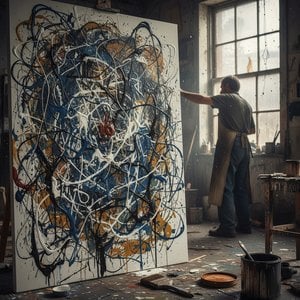
Paul Jackson Pollock's "Number 23, 1951" isn’t merely a painting; it’s an immersion. Created during a pivotal period of his artistic evolution – the “black pourings” – this work represents a deliberate retreat from the vibrant, all-over drips that initially defined his fame and a profound exploration into the subconscious. It's a piece that vibrates with a potent energy, a visual manifestation of anxiety, introspection, and a burgeoning interest in surrealist imagery and psychological depth. The stark monochrome palette immediately commands attention, stripping away any pretense of representational art and forcing the viewer to confront the raw materiality of paint itself.
- The Technique: Pollock’s method here is strikingly precise yet utterly chaotic. He thinned enamel paint – a material he experimented with extensively – to an almost liquid consistency, then employed a large basting syringe to fling and squirt it onto the unprimed canvas. This wasn't a spontaneous act of abandon; rather, it was a carefully orchestrated process, resulting in swirling patterns that seem to both coalesce and disintegrate before your eyes. The slow drying time allowed for an unexpected merging of colors and textures, creating a layered effect reminiscent of geological strata or even the shifting sands of memory.
- The Figures: Embedded within this turbulent field are enigmatic figures – faces, breasts, hands—fragments that emerge from the swirling chaos with a disconcerting immediacy. These aren’t easily deciphered; they're not portraits in the traditional sense but rather symbolic representations of anxieties and desires lurking beneath the surface. Their fragmented nature mirrors the fractured state of the psyche, suggesting a struggle to articulate inner turmoil.
A Surrealist Awakening: Influences and Intent
Pollock’s exploration of black paint wasn't born in isolation. The period coincided with a renewed interest in surrealism, fueled by his exposure to the works of artists like Joan Miró and Max Ernst. He was captivated by the idea of tapping into the unconscious mind, believing that painting could be a vehicle for accessing hidden emotions and symbolic imagery. “Number 23” is therefore a direct response to this influence, a deliberate attempt to bypass rational thought and delve into the realm of dreams and intuition. The absence of a clear narrative or subject matter further reinforces this surrealist impulse, inviting viewers to project their own interpretations onto the canvas.
Historical Context:The painting was created in 1951, a time of significant global upheaval – the Korean War raged on, and anxieties about the Cold War were escalating. Pollock’s work reflects this atmosphere of uncertainty and tension, capturing a sense of unease and psychological strain.
Decoding the Symbols: Faces and the Unconscious
The recurring presence of faces within “Number 23” is particularly intriguing. These aren't idealized or flattering representations; they are distorted, fragmented, and often obscured by layers of paint. Some scholars interpret them as self-portraits—a visual manifestation of Pollock’s own anxieties and insecurities. Others see them as archetypal figures representing primal instincts and unconscious desires. The ambiguity is deliberate, encouraging viewers to engage in a dialogue with the painting and construct their own meaning.
- The Breast/Hand Motif: The prominent presence of what appears to be a breast or hand—a recurring motif in Pollock’s black pourings—has been interpreted as symbols of vulnerability, creation, and perhaps even mortality.
- Fragmented Forms: The overall fragmentation of the figures suggests a sense of psychological disintegration, reflecting the anxieties of the post-war era.
A Legacy in Monochrome: Reproduction and Appreciation
"Number 23, 1951" stands as a testament to Pollock’s groundbreaking approach to painting—a radical departure from traditional techniques and a profound exploration of the human psyche. ArtsDot offers high-quality reproductions that capture the essence of this iconic work, allowing you to bring its raw energy and enigmatic symbolism into your own space. Consider it not just a decoration, but an invitation to contemplate the complexities of the human experience.
Otázky a odpovědi
Jakým způsobem barvy díla „Number 23, 1951“ od Jackson Pollock navazují na jeho emoce?
V díle "Number 23, 1951" doprovází Earthy barev Melancholic pocit.
Jaké emoce vyvolává „Number 23, 1951“ od Jackson Pollock?
Emocionální náboj díla „Number 23, 1951“ od Jackson Pollock je Melancholic. Tento údaj vystihuje pocity, které toto dílo vyjadřuje.
Mohu využít rozšířenou realitu k tomu, abych si prohlédl(a) „Number 23, 1951“ od Jackson Pollock ve své místnosti?
Dílo „Number 23, 1951“ nabízí náhled v rozšířené realitě: na stránce Náhled v rozšířené realitě si jej můžete prohlédnout ve vlastním prostoru pomocí kompatibilního zařízení.
Podobná díla


Související články

Francis Bacon: Top 25 děl mistra expresionismu pro váš interiér | ArtsDot.com
Prozkoumejte top 25 děl Francis Bacona – mistra expresionismu. Objevíte jeho portréty, triptychy a emotivní malbu plnou temných barev. Reprodukce obrazů pro luxusní dekoraci interiéru na ArtsDot.com. Prohlédněte si celou kolekci online!
Paul Jackson Pollock: A Radical Departure – Exploring Abstract Expressionism's Pioneering Figure and His Enduring Legacy
Explore the revolutionary art of Jackson Pollock & Abstract Expressionism. Discover his iconic drip paintings, lasting impact, and considerations for collecting this pivotal American artist. Expert insights at ArtsDot.

Beyond Shapes: 10 Iconic Abstract Masterpieces That Redefine Art
Journey through history with 10 iconic abstract masterpieces. From bold expressionism to geometric elegance, discover the stories behind these timeless works. Find museum-quality art reproductions and curated decor inspiration. Explore the full collection online at ArtsDot.com.

Beyond Reality: Exploring Symbolism's Influence on Modern Art & Psychological Expression
Explore the captivating world of Symbolism! Discover key artists, psychological themes & its lasting impact on modern art. Expert insights for collectors and enthusiasts at ArtsDot.

Top 10 mistrovských děl abstraktního expresionismu | Umění a dekorace s ArtsDot.com
Prozkoumejte 10 ikonických děl abstraktního expresionismu od Pollocka, Rothka a dalších. Objevte příběhy za obrazy, techniky a barevné palety tohoto revolučního uměleckého hnutí. Reprodukce obrazů s ArtsDot.com – luxusní dekorace pro váš interiér. Prozkoumejte celou kolekci online!


