
- Domů

- Reprodukce olejomalby
- Paolo Veronese
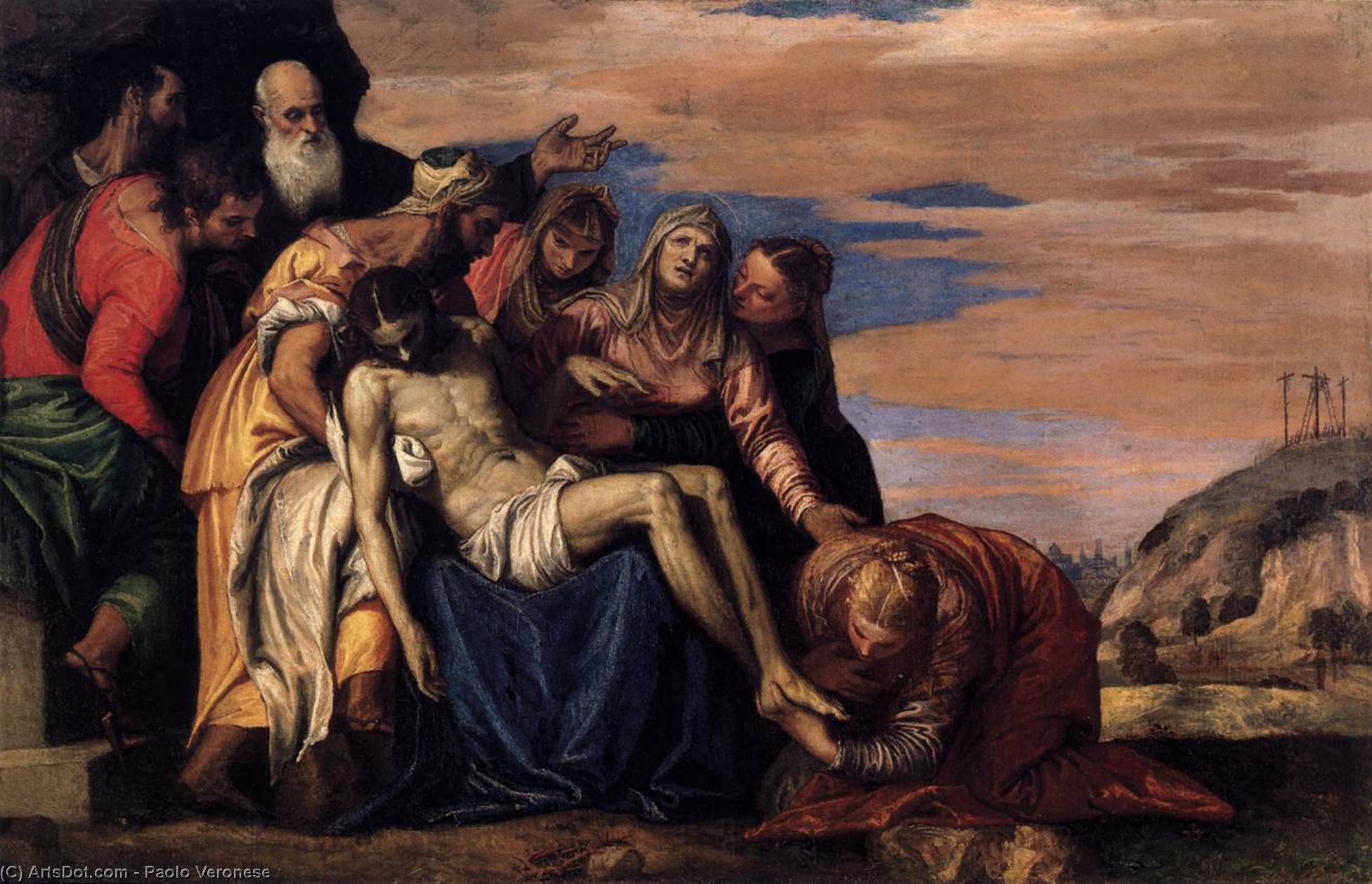
- Lamentation over the Dead Christ
 Koupit tisk Koupit digitální obrázek
 Sdílet
 Sdílet
 Details
 Přidat do oblíbených

 Stáhnout
 Podobné položky
 X-Ray
X-Ray
 Slideshow
Lamentation over the Dead Christ
 Oil On Canvas
- WallArt
- Baroque
 1547
1547 76.0 x 117.0 cm
 Museo Civico di Castelvecchio
Ručně malovaná olejová reprodukce
Ručně malovaná olejná barva na plátně ve vašem zvoleném rozměru i s rámem, vyrobená našimi umělci na zakázku.




P118B $10

P118H $10

P118W $10

P438Z $10

P508JH $12

P508YH $12

P805H $10

P805Z $10

P919BZ $10

P919G $10

P919XJ $10

P959ZH $10

P968JZ $12

W106C $8

W218G $10

W218JH $8

W218Y $10

W307PJ $10

W316G $10

W316PJ $8

W316Y $10

W398PJ $8

W4111J $10

W500HY $15

W500JH $15

W692G $12

W849H $8

W940BG $15

W953PJ $8




 Více informací
Vyberte si z našich přednastavených velikostí, které odpovídají původním proporcím díla.

Můžete zadat vlastní rozměry pro konkrétní rám nebo prostor. Pokud se vámi vybraná velikost neshoduje s proporcemi původního obrazu, dílo buď ořízneme, nebo jej doplníme ručně malovanými prvky. Před zahájením výroby vám bude zaslán digitální náhled ke schválení.
Upozorňujeme, že náhled na obrazovce neodpovídá skutečnému ořezu ani rozšíření. Pouze digitální náhled přesně zobrazí finální kompozici.
Ačkoliv je možné zvolit vlastní velikost, pro zachování původních proporcí doporučujeme vybrat rozměr z předdefinovaného seznamu.
Po přijetí objednávky vám tým ArtsDot.com zašle e-mail s pokyny a poskytne náhledovou verzi.
Celosvětová doprava () za 3–4 týdny namísto standardních 5 týdnů. (1 červenec). Bez kompromisů v kvalitě.

Zdarma celosvětová expresní doprava

Vysoce kvalitní lněné plátno

Kompletní přepravní pojištění

Záruka vrácení celního poplatku

Záruka přesného barevného shodu

60denní lhůta pro vrácení zboží (pouze při vadách výroby)

100% garance vrácení peněz

Sleva při hromadné objednávce
 Skleněná varianta je dostupná pouze u rozměrů menších než 110 cm

Lamentation over the Dead Christ
Technika reprodukce
Rozměry reprodukce
-


Celková cena za výběr
-
Popis díla
A Symphony of Sorrow: Veronese's Lamentation over the Dead Christ
Paolo Veronese’s Lamentation over the Dead Christ, painted in 1547, is more than a religious depiction; it’s a profound meditation on grief, loss, and the ultimate sacrifice. Executed during a pivotal moment in Venetian art history, this oil-on-canvas masterpiece embodies the dramatic flair and emotional intensity characteristic of the Baroque style while retaining subtle Mannerist influences that elevate its complexity. Measuring 76 x 117 cm, the scale of the work invites contemplation, drawing the viewer into the heart of this poignant scene – the deposition of Christ after his crucifixion.
- Subject Matter: The painting’s core is a deeply moving representation of Jesus' body being lowered from the cross, attended by his mother Mary, Mary Magdalene, and John the Apostle. These figures aren’t merely observers; they are conduits for the viewer’s own sorrow, their expressions etched with profound grief.
- Style & Composition: Veronese masterfully employs a pyramidal composition, anchoring Christ at the apex – a deliberate technique to draw the eye and emphasize his central importance. The dynamic diagonals created by the figures' poses and the sloping ground contribute to a sense of movement and heightened emotional impact, hallmarks of Baroque art.
The Language of Color and Light
Veronese’s genius lies not just in his subject matter but also in his masterful manipulation of color and light. The palette is dominated by warm earth tones – ochres, reds, and browns – creating a sense of solemnity and grounding the scene. These rich hues are juxtaposed with cooler blues and purples within the drapery and sky, adding depth and visual interest. The dramatic lighting, originating from a single source, casts deep shadows that heighten the pathos, illuminating Christ’s body and key figures while obscuring others in darkness – a technique frequently used to direct the viewer's attention and amplify the emotional weight of the scene.
The application of paint itself is remarkable. Veronese utilized layering techniques (glazing) to achieve an extraordinary level of depth, luminosity, and realism. Visible brushstrokes contribute to the texture, particularly in the clothing and skin of the figures, further enhancing the sense of tangible presence. This meticulous attention to detail reflects the Renaissance fascination with human anatomy and the pursuit of naturalism within a religious context.
Symbolism and Historical Context
Painted in 1547, this work reflects the anxieties and spiritual fervor of its time. The Baroque period was characterized by a renewed emphasis on emotion and drama in art, responding to the Protestant Reformation and the Counter-Reformation’s call for more accessible religious imagery. Veronese's depiction aligns with these trends, offering a powerful visual narrative that resonates with viewers on an emotional level. The scene is laden with symbolism – the body of Christ represents sacrifice and redemption, while the mourners embody faith, compassion, and devotion.
Furthermore, the painting’s Mannerist influences—elongated forms and exaggerated expressions—add a layer of intellectual complexity to the work, inviting viewers to engage in a deeper contemplation of its themes. Veronese's artistic lineage is firmly rooted in Venetian tradition, yet he pushed boundaries, creating a uniquely powerful and enduring image that continues to captivate audiences centuries later.
A Timeless Masterpiece
Lamentation over the Dead Christ stands as a testament to Paolo Veronese’s unparalleled skill and vision. Its dramatic composition, rich color palette, and masterful technique combine to create an artwork of profound emotional impact and enduring beauty. Whether you are an art collector seeking a significant addition to your collection or an interior designer searching for a statement piece that evokes contemplation and reverence, this reproduction offers a window into the heart of Venetian Renaissance artistry.
Podobná umělecká díla


Biografie umělce
A Venetian Visionary: The Life and Art of Paolo Veronese
Paolo Caliari, known to the world as Paolo Veronese, emerged from the vibrant artistic landscape of 16th-century Venice as a master of color, composition, and opulent spectacle. Born in Verona in 1528, the son of a stonecutter, his early life was steeped in the visual richness of his surroundings – the classical architecture, sculpted forms, and burgeoning humanist ideals that characterized the region. His initial training under Antonio Badile and Giovanni Francesco Caroto laid a foundation in traditional techniques, but it was his move to Venice in the 1550s that truly ignited his artistic genius. The city itself became his muse, its bustling marketplaces, grand palazzi, and shimmering waterways informing the scale and drama of his work. He quickly absorbed the influences of established Venetian masters like Titian, whose mastery of color profoundly impacted Veronese’s palette, yet he forged a distinct style characterized by an unparalleled sense of theatricality and grandeur.The Painter of Feasts and Grand Narratives
Veronese's reputation rests upon his monumental paintings, particularly those depicting lavish feasts and biblical scenes transformed into dazzling displays of Venetian life. The Wedding at Cana, completed in 1563 for the Benedictine monastery of San Giorgio Maggiore, stands as a testament to his skill. This colossal canvas isn’t merely an illustration of the miracle; it's a vibrant panorama of 16th-century society, teeming with elegantly dressed figures, musicians, and architectural details rendered with breathtaking precision. The painting is not just about what happened at Cana but *how* it would have looked if it had occurred in Venice during Veronese’s time – a remarkable feat of imaginative reconstruction. Similarly, The Feast in the House of Levi, originally titled The Last Supper, caused controversy with the Inquisition due to its inclusion of contemporary figures and a seemingly irreverent atmosphere. Veronese defended his artistic license, asserting that painters were entitled to the same creative freedom as poets and jesters – a bold statement reflecting his belief in art’s power to interpret and reimagine sacred narratives. These works weren't simply religious depictions; they were celebrations of life, wealth, and the splendor of Venice itself. He wasn’t interested in austere spirituality but rather in capturing the joy and abundance of existence. His ability to seamlessly blend historical accuracy with imaginative embellishment set him apart from many of his contemporaries.Influences and Artistic Development
While Titian’s influence on Veronese’s colorism is undeniable, his artistic development was a complex interplay of various influences. The architectural precision he brought to his compositions owes much to the classical tradition prevalent in Verona during his formative years, particularly the work of architects like Michele Sanmicheli. He also absorbed elements from Central Italian masters such as Raphael and Parmigianino, evident in the graceful lines and harmonious arrangements within his paintings. However, Veronese didn’t simply imitate these influences; he synthesized them into a uniquely Venetian style characterized by its dramatic use of light, vibrant color palettes, and meticulous attention to detail. He excelled at creating illusions of space and depth, employing perspective techniques to draw viewers into the heart of his elaborate scenes. His mastery of oil painting allowed him to achieve an unparalleled luminosity and richness of texture. He also ran a large workshop, with contributions from his brother Benedetto and sons Gabriele and Carlo (or 'Carletto'), ensuring that his style continued to flourish even after his death in 1588.Major Achievements and Notable Works
Veronese’s career produced an astonishing array of masterpieces, each showcasing his distinctive talents. Beyond the monumental *Wedding at Cana* and *Feast in the House of Levi*, he created numerous altarpieces for churches throughout Venice and Verona, including works for the Cappella dei Barbarigo in San Zeno church. His ceiling paintings for the Ducal Palace were particularly ambitious, transforming the spaces into opulent settings for courtly life. The *Marriage Procession of Saint George* (1576-78) is another highlight, a complex and richly detailed allegory that exemplifies his mastery of composition and color. His work for the monastery of S. Sebastiano, including the decoration of the refectory, remains one of the most impressive examples of Venetian Renaissance art. Veronese’s ability to seamlessly integrate architecture, figures, and decorative elements into a single, cohesive whole is what truly distinguishes his style.Legacy and Historical Significance
Paolo Veronese’s impact extends far beyond the realm of Renaissance art. His work has resonated through centuries, inspiring artists across various disciplines. His dramatic compositions and vibrant color schemes have been cited as influences on everything from Baroque painting to modern cinema – even finding echoes in the visual aesthetics of Spaghetti Westerns. He was part of the “great trio” of Venetian painters—alongside Titian and Tintoretto—each contributing uniquely to the city’s artistic legacy, yet Veronese often stands apart for his sheer exuberance and celebration of earthly pleasures. His paintings continue to captivate audiences with their grandeur and spectacle, offering a glimpse into the opulent world of 16th-century Venice.- He redefined historical painting by imbuing it with contemporary life.
- His use of color remains influential for artists today.
- His work embodies the spirit of Renaissance humanism and celebration of earthly beauty.

Paolo Veronese
1528 - 1588 , Itálie
Rychlé fakta
- Artistic Movement Or Style: Renesanční, Mannerismus
- Artists Or Movements Influenced By This Artist: ['Raffaele']
- Artists Who Influenced This Artist: ['Tiziano']
- Date Of Birth: 1528
- Date Of Death: 1588
- Full Name: Paolo Veronese
- Nationality: Italijský
- Notable Artworks:
- Svatba v Káni
- Večeře u Levi
- Place Of Birth: Verona, Itálie
Související články

Top 10 olejů na plátně, které změnily svět umění | ArtsDot.cz
Objevte 10 legendárních olejů na plátně od Van Gogha, Moneta a Rembrandta. Ponořte se do příběhů mistrovských děl a inspirujte se pro váš interiér s reprodukcemi nejvyšší kvality. Prozkoumejte celou kolekci online na ArtsDot.com!


Rafael: 25 mistrovských děl renesance pro váš domov | ArtsDot.cz
Objevte 25 ikonických děl Raffaela – od Sixtinské madony po Atény školu. Ponořte se do světa renesance a obdivujte mistrovské obrazy online. Reprodukce obrazů nejvyšší kvality pro váš interiér na ArtsDot.cz.
10 legendárních olejomalieb, které změnily dějiny umění | ArtsDot.cz
Prozkoumejte 10 legendárních olejomalieb od Van Gogha, Moneta a Rembrandta. Objevte příběhy umělců, techniky a dějiny ikonických děl. Reprodukce obrazů pro luxusní interiéry na ArtsDot.com!

Top 10 olejů na panelu, které změnily dějiny umění | ArtsDot.cz
Objevte 10 legendárních olejů na panelu, které změnily dějiny umění! Ponořte se do příběhů renesančních mistrů, impresionistických ikon a barokních skvostů. Reprodukce obrazů nejvyšší kvality pro váš interiér – ArtsDot.cz
Paolo Veronese: A Renaissance Master of Color, Composition, and Venetian Splendor
Explore the vibrant world of Paolo Veronese, a Renaissance master renowned for his opulent compositions, masterful use of color, and dramatic Venetian scenes. Discover key artworks & legacy.



