


 Náhled
 Sdílet
 Sdílet
 Podrobnosti o díle

 Stáhnout
 Podobné položky
 Rentgenové snímky
 Slideshow
Salome


 Zobrazit více
Giclée / Umělecký tisk
Giclée nebo plátěný tisk muzeální kvality s rychlou výrobou a flexibilními možnostmi povrchové úpravy. ( Koupit ručně malovaný obraz Koupit obrázek)




P118B $10

P118H $10

P118W $10

P438Z $10

P508JH $12

P508YH $12

P805H $10

P805Z $10

P919BZ $10

P919G $10

P919XJ $10

P959ZH $10

P968JZ $12

W106C $8

W218G $10

W218JH $8

W218Y $10

W307PJ $10

W316G $10

W316PJ $8

W316Y $10

W398PJ $8

W4111J $10

W500HY $15

W500JH $15

W692G $12

W849H $8

W940BG $15

W953PJ $8




Vyberte si z našich přednastavených velikostí, které odpovídají původním proporcím díla.

Můžete zadat vlastní rozměry tak, aby výtvor odpovídal konkrétnímu rámu nebo prostoru. Pokud zvolená velikost nebude odpovídat poměru stran původního obrazu, dílo buď ořížeme, nebo obraz rozšíříme pomocí zrcadlového efektu či jednobarevného okraje. Před zahájením výroby vám bude zaslán digitální náhled k schválení.
Mějte prosím na paměti, že náhled na obrazovce neodráží skutečné oříznutí nebo rozšíření. Pouze digitální náhled přesně zobrazí finální kompozici.
Ačkoliv jsou k dispozici i vlastní rozměry, pro zachování původních proporcí doporučujeme vybrat si rozměr z předdefinovaného seznamu.
Celosvětové doručení () do 2 týdnů namísto standardních 4/5 týdnů. (5 září)

Zdarma celosvětová expresní doprava

Vysoce kvalitní lněné plátno

Kompletní přepravní pojištění

Záruka vrácení celního poplatku

Záruka přesného barevného shodu

60denní lhůta pro vrácení zboží (pouze při vadách výroby)

100% garance vrácení peněz

Sleva při hromadné objednávce
 Skleněná varianta je dostupná pouze u rozměrů menších než 110 cm

Salome
Giclée / Umělecký tisk
Rozměry reprodukce
-


Celková cena za výběr
$ 62
A Fragment of Movement: Picasso’s “Salomé”
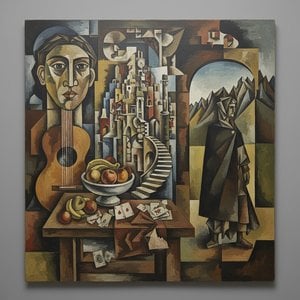
Pablo Picasso's "Salome," created in 1905, stands as a pivotal moment in the artist’s formative years and embodies the burgeoning influence of Cubism on European art. More than just a depiction of Shakespeare’s biblical tale—the assassination of Herodias’ son John the Baptist—it’s an exploration of fractured perspective and emotional intensity captured with remarkable immediacy. The sketch, executed in charcoal on paper, reveals Picasso's fascination with capturing fleeting gestures and conveying psychological states through simplified forms.The Balletic Essence: Composition and Technique
The artwork portrays a ballet scene featuring four figures: a dancer dominating the center stage, flanked by two supporting dancers and a kneeling figure to her right. Picasso’s technique is characterized by loose, expressive lines—a hallmark of his Blue Period and early Rose Period—that prioritize dynamism over meticulous realism. Hatching and cross-hatching skillfully build up tonal variations, creating an illusion of volume and suggesting the palpable energy of performance. The flattened perspective contributes to a sense of theatrical space, mirroring the conventions of ballet productions at the time. Notice how Picasso deliberately disrupts traditional anatomical accuracy, elongating limbs and reducing forms to geometric shapes—a deliberate departure from academic tradition that signaled the arrival of Cubist principles.Symbolism Within Simplification: Herodias’ Desire
Beyond its formal innovations, “Salome” resonates with deeper symbolic meanings rooted in Shakespeare's drama. Herodias, driven by ambition and fueled by resentment over John the Baptist’s defiance, embodies a primal desire for retribution—a yearning to erase perceived wrongs. Picasso captures this psychological torment through stylized representation; the dancer’s posture conveys both vulnerability and determination, mirroring Herodias’ conflicted emotions. The fragmented composition itself symbolizes the shattered reality of trauma and the difficulty of achieving wholeness amidst emotional turmoil.Historical Context: Picasso's Artistic Breakthrough
Painted during Picasso’s transition from Impressionism to Cubism, “Salome” represents a crucial step in his artistic evolution. Influenced by Cézanne and African sculpture, Picasso sought to break free from representational conventions and explore alternative ways of perceiving the world. This sketch exemplifies his pioneering approach—a bold experiment with perspective and form that would ultimately redefine modern art. Its appearance coincided with the burgeoning interest in avant-garde movements across Europe, marking Picasso as a vanguard of artistic innovation.Emotional Resonance: Capturing Transient Feeling
Ultimately, “Salome” succeeds in conveying an arresting emotional impact despite its stylistic austerity. The artist’s masterful use of charcoal captures the fleeting moment of movement and emotion—the dancer's poised stance, the supporting dancers' attentive gaze, and the kneeling figure's palpable sorrow. It is a testament to Picasso’s ability to distill complex psychological states into simplified visual language, leaving viewers with a profound sense of unease and contemplation. This artwork continues to inspire artists and collectors alike, serving as an enduring emblem of artistic courage and expressive power.Podobná umělecká díla


Biografie umělce
Život a počátky geniálního malíře
Pablo Ruiz Picasso, jméno neodmyslitelně spojené s revolucí v umění 20. století, se narodil 25. října 1881 ve španělské Malaze. Jeho osud zdánlivě předurčen k tvůrčímu vyjádření – legenda praví, že první slova, která pronesl, byla “piz, piz”, pokus o vyslovení slova ‘tužka’. Tento raný náklon podporoval jeho otec, José Ruiz y Blasco, malíř a učitel umění, který mladému Pablu poskytl základní vzdělání. Syn však brzy svého učitele překonal, prokazujíc pozoruhodný talent pro realistické zobrazení, které naznačovalo budoucího mistra. Následné stěhování rodiny – nejprve do A Coruña a poté do Barcelony – bylo poznamenáno osobními tragédiemi, zejména ztrátou Pablovovy sestry, zážitkem, který se subtilně promítl do jeho pozdější tvorby skrze témata melancholie a smrtelnosti. I během formálního studia na Škole výtvarných umění v Barceloně a krátkého pobytu na Královské akademii San Fernando v Madridu Picasso vzdoroval rigidním akademickým omezením, preferujíc ponoření se do děl mistrů jako Velázquez a Goya, čímž si razil vlastní cestu k umělecké inovaci.
Modrá a růžová období: Hledání vlastního jazyka
Počátky 20. století byly svědky vzniku dvou výrazných období v Picassově tvorbě: Modré období (zhruba 1901-1904) a Růžové období (1904-1906). Modré období, zrozené z osobních strastí a hlubokého uvědomění si sociálního utrpení, se vyznačuje obrazy prosycenými tlumenými odstíny modré a namodralé zeleně. Tato díla jsou osídleny okrajovými postavami – žebráky, slepci, prostitutkami – ztvárněnými s pronikavou empatií, která hovoří o tématech izolace a zoufalství. La Vie (1903) a Starý kytarista (1903-1904) jsou silné příklady této emocionálně nabité fáze. Změna v Picassově osobním životě, spojená s přestěhováním do Paříže, signalizovala příchod Růžového období. Paleta se výrazně oteplila a přijala růžové, oranžové a červené tóny, odrážející optimističtější pohled na svět. Toto období bylo charakteristické fascinací cirkusovými umělci – harlekýny, akrobaty a rodinnými skupinami – postavami, které zosobňovaly křehkost i odolnost. Rodina Saltimbanques (1905) krásně shrnuje tento přechod a naznačuje stylistické experimenty, které se teprve měly rozvinout.
Revoluce v perspektivě: Kubismus a jeho dopad
Rok 1907 znamenal zásadní okamžik v dějinách umění s vytvořením obrazu Les Demoiselles d'Avignon. Ovlivněný iberskou sochařstvím a africkými maskami, tento průlomový obraz rozbil tradiční představy o perspektivě a reprezentaci. Byl to radikální odklon, vědomé odmítnutí staletých konvencí, které připravily cestu pro kubismus. Spoluprací s Georgem Braquem Picasso spoluzaložil toto revoluční hnutí, zásadně měnící způsob, jakým umělci vnímali a zobrazovali realitu. Analytický kubismus (1909-1912) zahrnoval fragmentaci objektů do geometrických tvarů, vykreslených tlumenými barvami, jako by se rozebíral samotný tvar. To se vyvinulo v Syntetický kubismus (1912-1919), který začleňoval kolážové prvky – výstřižky z novin, kousky látek – a přidával texturu a nové vrstvy vizuální složitosti. Picasso nebyl spokojen s pouhým reprezentováním světa; snažil se ho dekonstruovat a rekonstruovat podle svých vlastních pravidel.
Neoklasicismus, surrealismus a odkaz války
20. léta 20. století přinesla Picassovo krátké zkoumání neoklasicistického stylu, vytvářející monumentální figury, které odrážely klasické formy, ale zachovávaly si výrazně moderní citlivost. Současně se zapojil do rozvíjejícího se surrealistického hnutí, i když se s jeho principy nikdy plně neztotožnil. Jeho práce v tomto období kombinovala dřívější stylistické vlivy se surreálnými obrazy a zkreslenou perspektivou, což demonstrovalo jeho neutuchající experimentování. Hrůzy španělské občanské války hluboce zasáhly Picassa, vyvrcholily vytvořením obrazu Guernica (1937), syrové a emocionálně devastující reakce na bombardování Guernicy. Toto monumentální dílo se stalo trvalým symbolem zvěrstev války, upevňujícím Picassovu roli nejen jako umělce, ale také jako silného hlasu za mír a sociální spravedlnost. Během 50. a 60. let neustále posouval hranice, zkoumal keramiku, sochařství a grafiku s neochvějnou zvědavostí a dovedností. Jeho manželství s Jacqueline Roque v roce 1961 přineslo nový rozměr jeho osobního života a umělecké exprese.
Nesmírný dopad na světové umění
Pablo Picasso zemřel 8. dubna 1973 v Mougins ve Francii, zanechávaje za sebou úžasné dílo – odhadované na více než 50 000 kusů – které neustále fascinuje a inspiruje. Jeho umělecký vývoj byl formován rozmanitým spektrem vlivů, od španělských mistrů jako Velázquez a Goya po iberskou sochu, africké umění a živé barevné palety Henriho Matisse. Jeho dopad na umění 20. století je nevyčíslitelný. Spoluzaložil kubismus, zavedl koláž a konstruovanou sochu a neustále zpochybňoval umělecké konvence. Picassovo neutuchající experimentování předefinovalo moderní umění, zanechávaje nesmazatelnou stopu na generacích umělců a upevňujíc jeho pozici jako jedné z nejdůležitějších a nejvlivnějších postav v historii. Jeho odkaz přesahuje plátno, rezonuje v nesčetných aspektech současné kultury a připomíná nám transformační sílu umělecké vize.

Pablo Picasso
1881 - 1973 , Španělsko
Rychlé fakta
- Artistic Movement Or Style: Kubismus, Surrealismus
- Artists Or Movements Influenced By This Artist:
- Kubismus
- Moderní umění
- Artists Who Influenced This Artist:
- Velázquez
- Goya
- Matisse
- Date Of Birth: 25. října 1881
- Date Of Death: 8. dubna 1973
- Full Name: Pablo Diego José Ruiz Picasso
- Nationality: Španělská
- Notable Artworks (List Of Titles):
- Les Demoiselles d'Avignon
- Guernica
- The Old Guitarist
- Place Of Birth (City And Country): Málaga, Španělsko
Související články

Top 10 mistrovských děl kubismu: Umění, které změnilo pohled na svět | ArtsDot.com
Prozkoumejte 10 ikonických děl kubismu od Picassa, Braquea a dalších. Objevte příběhy za slavnými obrazy tohoto revolučního uměleckého hnutí a inspirujte se pro svůj interiér s ArtsDot.com! Reprodukce obrazů nejvyšší kvality.

Top 10 kubistických portrétů: Mistrovská díla, která změnila umění | ArtsDot
Prozkoumejte 10 ikonických kubistických portrétů od Picassa, Braquea a dalších. Objevte příběhy za těmito revolučními díly moderního umění a inspirujte se pro váš interiér s ArtsDot.com. Reprodukce obrazů nejvyšší kvality online.
10 mistrovských děl kubismu: Umění, které změnilo vnímání reality | ArtsDot
Prozkoumejte 10 ikonických děl kubismu od Picassa, Braquea a dalších. Objevte příběhy za těmito revolučními obrazy a inspirujte se pro váš interiér s reprodukcemi nejvyšší kvality na ArtsDot.com.

Pablo Picasso: A Revolutionary Vision – Cubism, Symbolism & Enduring Legacy
Explore the revolutionary art of Pablo Picasso with ArtsDot.com. Discover Cubism's origins, symbolism in his masterpieces & investment insights for collectors. Expert appraisal & custom reproductions available.

Deconstructing Reality: Cubism's Revolutionary Impact on 20th-Century Art
Explore the revolutionary world of Cubism with ArtsDot. Discover Picasso & Braque's groundbreaking techniques, its philosophical roots, and lasting impact on modern art. Expert insights for collectors.



