


Obraz odpovídá vašim volbám: , .
Popis sbírného předmětu
 Zobrazit více
Biografie umělce
Explore the abstract art of Osvaldo Licini (1894-1958), an Italian painter blending abstraction, surrealism & symbolic figures. Discover his unique style & legacy.
Ručně malovaná olejová reprodukce
Rukou malované olejné plátno v libovolném rozměru i s rámem, vyrobené našimi umělci na zakázku. ( Přepnout na tisk Přepnout na digitální obraz)
Toto umělecké dílo je chráněno autorským právem
Umělecké dílo zobrazené na této stránce je chráněno autorským zákonem, což znamená, že nemůžeme legálně vytvářet ani prodávat jeho identickou reprodukci. Tato ochrana je vymáhána na základě mezinárodních dohod, jako například Berberská úmluva a národními zákony, včetně těch stanovených v Americký autorský zákon – Díl 17. Všechna práva vyhrazena.
Jako etická a právní alternativa nabízíme vlastní, ručně malovaná umělecká díla inspirovaná originálem. Naši zdatní a profesionální umělci si pečlivě studují styl, náladu a uměleckou podstatu originálu, aby vytvořili nové, jedinečné dílo, které vyvolává stejný pocit – přičemž zůstává samostatným originálním tvůrčím dílem.
Tato metoda je plně v souladu s autorským právem, protože nezahrnuje kopírování ani duplikování chráněného díla. Jde o kreativní reinterpretaci – nový obraz, který je inspirován originálem, ale není s ním identický.
Více informací o tomto obrazu
 Náhled v interiéru
 Sdílet
 Sdílet
 Podrobnosti o díle
 Průvodce

 Stáhnout
 Podobné položky
 Rentgenové snímky
 Slideshow
 Otázky a odpovědi
 Statistiky
Objednejte si svůj obraz ve čtyřech jednoduchých krocích
Nespěchejte. Každou odpověď můžete změnit; cena v košíku se bude přizpůsobovat každé vaší volbě.
1 První krok ze čtyř
Jakou velikost si přejete?
Tyto velikosti zachovávají proporce původního obrazu. Návrh ukazuje vaši volbu na stěně nad dvumetrovou pohovkou.
nebo zadejte vlastní rozměry
Vyberte si z našich přednastavených velikostí, které odpovídají původním proporcím díla.

Zadejte šířku a výšku, které potřebujete pro váš rám nebo stěnu. Protože se jedná o ruční malbu, při výběru jiného formátu může umělec kolem obrazu domalovat o něco více, nebo jej mírně oříznout — rozhodnete si vy. Před zahájením malby vám zašleme digitální náhled ke schválení. Obraz zobrazený na této stránce neodpovídá skutečnému výsledku — pouze digitální náhled jej zobrazuje.
2 Druhý krok ze čtyř
Jak by mělo být připraveno: srolované, na plátno natažené nebo v rámu?
Ceny níže platí pro rozměr, který jste si zvolili v prvním kroku.
Vyberte si okraje plátna
Vyberte si rámeček

Bílé okraje Kč1

Rozostřené okraje Kč1

Prodloužené okraje Kč1

P118B Kč10

P118H Kč10

P118W Kč10

P438Z Kč10

P508JH Kč12

P508YH Kč12

P805H Kč10

P805Z Kč10

P919BZ Kč10

P919G Kč10

P919XJ Kč10

P959ZH Kč10

P968JZ Kč12

W106C Kč8

W218G Kč10

W218JH Kč8

W218Y Kč10

W307PJ Kč10

W316G Kč10

W316PJ Kč8

W316Y Kč10

W398PJ Kč8

W4111J Kč10

W500HY Kč15

W500JH Kč15

W692G Kč12

W849H Kč8

W940BG Kč15

W953PJ Kč8

H24-GOLD Kč30

H24-SILVER Kč30

H36-GOLD Kč45

H36-SILVER Kč45
V rámu
Profil: . Celkové rozměry včetně rámu: .
3 Třetí krok ze čtyř
Přejete si v malbě něco změnit?
Většina lidí odpoví ne. Protože každý obraz je vytvořen ručně, náš umělec jej pro vás může také upravit.
Po přijetí objednávky vám tým ArtsDot.com pošle e-mail s instrukcemi a poskytne náhled návrhu
4 Čtvrtý krok ze čtyř
Několik možností provedení
Všechny jsou volitelné. Již zvolené odpovědi nesepisují žádné dodatečné náklady.
Kdo je autor?
Celosvětová doprava () za 3–4 týdny namísto standardních 5 týdnů. (9 listopad). Bez kompromisů v kvalitě.
Štítek jako v muzeu?
Detaily ryté bronzové plakety
This elegant plaque features the artist's name and the title of the artwork, finely engraved for a timeless presentation.
It is made from bronze with a refined, elegant finish. The text is precisely laser-engraved for a sharp and permanent result. Measuring 9x2 cm, the plaque is compact yet easy to read. It's built to be durable and scratch-resistant, offering a professional, museum-quality look. Mounting is simple thanks to the included adhesive backing.
Detaily průhledné akrylové desky
The plaque includes essential engraved details such as the artist's name, the title of the artwork, the date it was created, the type of media used-like oil on canvas or watercolor-a brief description of the piece, and a QR code that links to the complete artwork information.
It is crafted from clear acrylic, offering a sleek, modern appearance. The text is UV-engraved in black to ensure strong visual contrast. With a size of 10x15 cm, it ensures optimal readability. It comes equipped with two metal hooks for secure wall mounting. The plaque is designed to be weather-resistant, making it suitable for various environments, and it includes interactive features that work seamlessly with smartphone scanning.
Detaily černé akrylové destičky
This elegant plaque includes engraved information such as the artist's name, the title of the artwork, the date it was created, the type of media used (like oil on canvas or watercolor), a short description of the artwork, and a QR code for quick access to more information.
The plaque itself is made from refined black acrylic with a premium finish. The text is laser-engraved in white for high contrast and readability. Its size is 10x15 cm, designed to be easy to read. It comes with two metal hooks for professional mounting. The design is sleek and fits any interior style. It is also weather-resistant and durable, with built-in digital integration for mobile compatibility.
Ochranný lak?
Kdy jej potřebujete?
✓ Kontrola a objednávka
Váš obraz přesně podle objednávky

Marine
Technika reprodukce
Rozměry reprodukce
-

Vybraní mistři umění
Vyšší míra detailu, jemnosti a delší doba výroby
-

Možnosti rámování reprodukcí
-
-
U děl nebo reprodukcí, u nichž je jakákoliv strana větší než 105 cm (přibližně 41 palců), bude rám dodán jako sestava v rozloženém stavu. Tato metoda zajišťuje bezpečné doručení a chrání dílo před poškozením během přepravy.
Vyžaduje se odborná montáž – nejedná se o produkt pro svépomocnou realizaci (DIY).
Sestava musí být složena a plátno napnuto zkušeným profesionálním rámovačem s použitím dřevěného lepidla (není součástí balení), kleští na napínání plátna a svorek pro udržení pravých úhlů křížů během schnutí lepidla. Nesprávná montáž nebo nerovnoměrné napnutí plátna může způsobit trvalé poškození uměleckého díla, které není kryto naší zárukou.
 U děl nebo reprodukcí, u nichž je jakákoliv strana větší než 105 cm (přibližně 41 palců), bude rám dodán jako sestava v rozloženém stavu. Tato metoda zajišťuje bezpečné doručení a chrání dílo před poškozením během přepravy.
Jsou zahrnuty všechny lišty z masivního dřeva, přesně na míru nařezané.
Sestavuje se pomocí součástí balení (šroubů), plus dřevěného lepidla na rohové spoje, které není součástí balení a musí jej zajistit váš rámovač.
Vyžaduje se profesionální nářadí, které není součástí sady: kleště na napínání plátna a svorky pro udržení kolmosti příček během schnutí lepidla.
Důležité:
Spoje v rozích vyžadují lepidlo na dřevo, tyčinky musí být přichyceny pomocí svorek, dokud lepidlo zcela neuschne, a pro napnutí plátna na sestavený rám je zapotřebí kleští na natahování plátna. Žádný z těchto náčiní není součástí sady. Před objednáním této velikosti prosím zajistěte zkušeného profesionálního rámovače.

Popisek díla
-
-

Ochranný lak
Lesklý lak (zvýrazňuje barvy, chrání před světlem a vlhkostí)
-

Přizpůsobit své umělecké dílo
Příklady možných úprav: nahrazení obličeje fotografií zákazníka; přidání domácího mazlíčka (např. výměna kočky za psa); vložení skrytého vzkazu do pozadí; změna krajiny nebo prvků v pozadí.
-

Prioritní doručení
Celosvětové doručení () za 3–4 týdny namísto standardních 5 týdnů. (9 listopad). Bez kompromisů v kvalitě.
-
Expresní doručení
Celosvětová doprava () do 5 týdnů. (16 listopad).
V ceně
Celková cena za vybrané možnosti reprodukcí
Kč 5726
Skleněná varianta je dostupná pouze u rozměrů menších než 110 cm
Součást každé objednávky
- Zdarma celosvětová expresní doprava
- Vysoce kvalitní lněné plátno
- Kompletní pojištění přepravy
- Záruka vrácení celního poplatku
- Záruka věrného barevného souladu
- 100dení lhůta pro vrácení zboží (pouze při vadách výroby)
- 100% záruka vrácení peněz
- Sleva při více objednávkách


Otázky a odpovědi
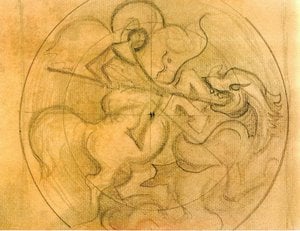
Jak výrazné jsou barvy díla „Marine“?
Barva díla „Marine“ má nasycení na úrovni Clear Color Presence a intenzitu Vivid.
Jaká jsou práva k reprodukci díla „Marine“ v instituci Galleria Civica di Arte Moderna e Contemporanea Torino?
Originál díla „Marine“ se nachází v instituci Galleria Civica di Arte Moderna e Contemporanea Torino a toto dílo je stále chráněno autorským právem.
Jakou barvu v kompozici díla „Marine“ od Osvaldo Licini dominuje?
Barvou, která v díle „Marine“ nejvíce vyniká, je Bronze (#b8811f). Dominantní barva je užitečná při sladění uměleckého díla s interiérem.
Podobná díla




Osvaldo Licini
1894 - 1958, Italy
Biografie umělce
Early Life and Artistic Foundations
Osvaldo Licini, born on March 22nd, 1894, in the small Italian town of Monte Vidon Corrado in the Marche region, embarked on an artistic journey that would see him become a pivotal figure in the development of abstract art. His early life was somewhat unconventional; his parents relocated to Paris shortly after his birth to pursue work opportunities, leaving young Osvaldo in the care of his paternal grandfather, Filippo, back in Monte Vidon Corrado. This separation instilled in him a sense of independence and perhaps contributed to an introspective nature that would later inform his artistic vision. While his parents established themselves in Paris—his father as a commercial poster designer and his mother running a fashion house—Osvaldo received a traditional art education, beginning studies at the Accademia di Belle Arti di Bologna in 1908. It was here he forged a significant friendship with Giorgio Morandi, a fellow student who would become a lifelong companion and influence.
Licini’s initial artistic explorations were rooted in figurative representation, but even during his academic years, a subtle questioning of form and space began to emerge. He continued his studies at the Academy of Fine Arts in Florence, where he encountered the burgeoning Futurist movement. While intrigued by their dynamism and rejection of traditional aesthetics, Licini never fully embraced Futurism’s tenets, maintaining a critical distance that allowed him to forge his own unique path.
The Path to Abstraction
The 1920s marked a period of transition for Licini. He became increasingly interested in the “Return to Order” movement and the *Novecento Italiano*, participating in exhibitions organized by Margherita Sarfatti, a prominent figure in promoting Italian art during the Fascist era. However, his participation was always tempered by a desire to simplify volumes and explore two-dimensionality without fully adhering to the rigid classicism favored by the group. This period saw him exhibiting still lifes and landscapes that hinted at an underlying abstraction, a move away from strict representation towards a more conceptual approach.
A pivotal moment arrived in 1935 with Licini’s relocation back to Paris. It was here he encountered the Circle et Carré and Abstraction-Création groups—collectives of artists dedicated to pure abstraction. Exposure to figures like Vasily Kandinsky, Alberto Magnelli, and František Kupka profoundly impacted his artistic development. He immersed himself in abstract research, fueled by a growing intellectual curiosity and a desire to express inner realities through non-representational forms. This year also saw him participate in the first Italian Abstract Art Exhibition in Turin, solidifying his position within the burgeoning abstract art scene.
Mature Style and Symbolic Language
By the late 1930s, Licini had fully embraced abstraction, developing a distinctive style characterized by biomorphic shapes, floating forms, and a subtle yet powerful use of color. His paintings are not entirely devoid of reference; they often evoke organic structures, symbolic figures, and dreamlike landscapes. He sought to create a visual language that transcended the literal, tapping into universal emotions and subconscious realms.
His compositions frequently feature balanced arrangements of shapes—often described as ‘equilibristic’—suggesting a delicate interplay between opposing forces. While abstract, his works are imbued with a sense of poetic resonance, hinting at narratives and emotional states without explicitly depicting them. The influence of Surrealism is also discernible in his art, particularly in the juxtaposition of unexpected forms and the exploration of psychological themes.
Later Life and Legacy
Following World War II, Licini returned to Monte Vidon Corrado where he unexpectedly entered public life, being elected Mayor in 1946. He continued to paint prolifically throughout his later years, refining his abstract language and exploring new compositional possibilities. His work gained increasing recognition both nationally and internationally.
Osvaldo Licini passed away on October 11th, 1958, leaving behind a significant body of work that continues to captivate and inspire. In 1986, the town of Monte Vidon Corrado established the Centro Studi Osvaldo Licini—a testament to his enduring legacy and commitment to his artistic vision. Licini’s contribution lies in his ability to blend abstraction with a subtle symbolic depth, creating paintings that are both visually compelling and emotionally resonant. He stands as a key figure in Italian abstract art, bridging the gap between figurative tradition and the radical experimentation of the avant-garde.
- Key Influences: Giorgio Morandi, Futurist movement, Circle et Carré, Abstraction-Création group, Surrealism
- Major Themes: Abstraction, symbolic figures, organic forms, emotional resonance, balance and equilibrium.
- Notable Achievements: Participation in key Italian art exhibitions (Novecento Italiano, Quadriennale), development of a distinctive abstract style, election as Mayor of Monte Vidon Corrado, establishment of the Centro Studi Osvaldo Licini.