

 Náhled
 Sdílet
 Sdílet
 Podrobnosti o díle

 Stáhnout
 Podobné položky
 Rentgenové snímky
 Slideshow
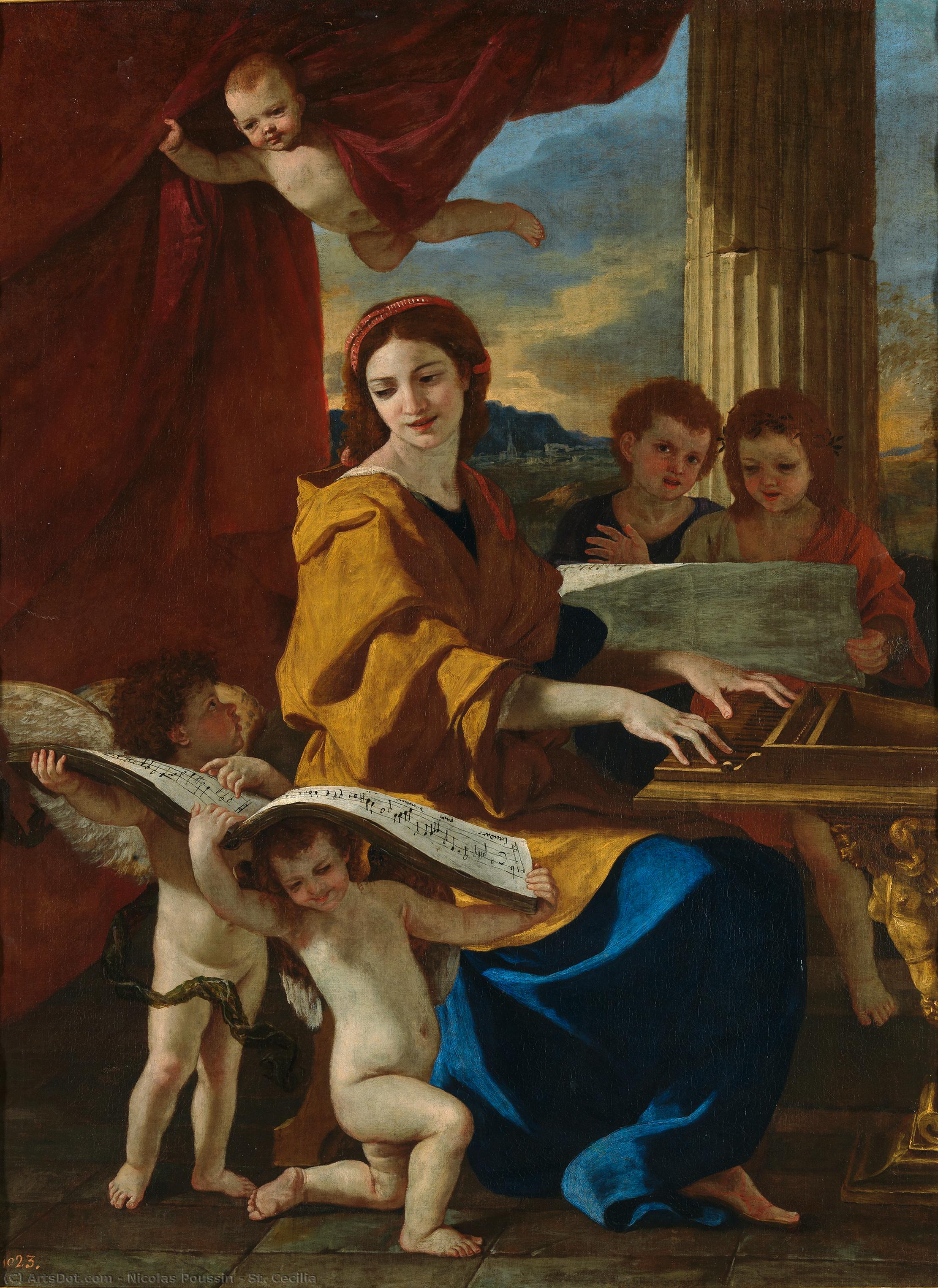
St. Cecilia
 Oil On Canvas
- WallArt
- Baroque
 1628
1628- Renaissance
 118.0 x 88.0 cm
 Museo del Prado
 Zobrazit více
Ručně malovaná olejová reprodukce
Ručně malovaná olejná barva na plátně ve vašem zvoleném rozměru i s rámem, vyrobená našimi umělci na zakázku. ( Koupit tisk Koupit obrázek)




P118B S$10

P118H S$10

P118W S$10

P438Z S$10

P508JH S$12

P508YH S$12

P805H S$10

P805Z S$10

P919BZ S$10

P919G S$10

P919XJ S$10

P959ZH S$10

P968JZ S$12

W106C S$8

W218G S$10

W218JH S$8

W218Y S$10

W307PJ S$10

W316G S$10

W316PJ S$8

W316Y S$10

W398PJ S$8

W4111J S$10

W500HY S$15

W500JH S$15

W692G S$12

W849H S$8

W940BG S$15

W953PJ S$8




Vyberte si z našich přednastavených velikostí, které odpovídají původním proporcím díla.

Můžete zadat vlastní rozměry pro konkrétní rám nebo prostor. Pokud se vámi vybraná velikost neshoduje s proporcemi původního obrazu, dílo buď ořízneme, nebo jej doplníme ručně malovanými prvky. Před zahájením výroby vám bude zaslán digitální náhled ke schválení.
Upozorňujeme, že náhled na obrazovce neodpovídá skutečnému ořezu ani rozšíření. Pouze digitální náhled přesně zobrazí finální kompozici.
Ačkoliv je možné zvolit vlastní velikost, pro zachování původních proporcí doporučujeme vybrat rozměr z předdefinovaného seznamu.
Po přijetí objednávky vám tým ArtsDot.com zašle e-mail s pokyny a poskytne náhledovou verzi.
Celosvětová doprava () za 3–4 týdny namísto standardních 5 týdnů. (15 srpen). Bez kompromisů v kvalitě.

Zdarma celosvětová expresní doprava

Vysoce kvalitní lněné plátno

Kompletní přepravní pojištění

Záruka vrácení celního poplatku

Záruka přesného barevného shodu

60denní lhůta pro vrácení zboží (pouze při vadách výroby)

100% garance vrácení peněz

Sleva při hromadné objednávce
 Skleněná varianta je dostupná pouze u rozměrů menších než 110 cm

St. Cecilia
Technika reprodukce
Rozměry reprodukce
-


Celková cena za výběr
S$ 436
Popis díla
A Harmonious Vision of Faith and Art: Nicolas Poussin’s *St. Cecilia* (1628)
Nicolas Poussin's *St. Cecilia*, painted in 1628, is a captivating example of Baroque classicism – a style that blends the dramatic energy of the Baroque with the clarity and order of classical antiquity. Measuring 118 x 88 cm, this oil on canvas resides in the Prado Museum, Madrid, and offers a serene yet profoundly symbolic depiction of the saint known as the patroness of music.Subject & Narrative
The painting portrays Saint Cecilia, not in a scene of martyrdom (though she faced one), but in a moment of devout contemplation. She is shown seated on a draped bench, absorbed in reading sheet music – an activity befitting her association with musical harmony. The infant Jesus sits beside her, playfully engaged with a small organ. Three cherubic angels surround them: one hovers above in adoration, another kneels presenting a scroll (likely containing further musical notation), and the third gently lifts a curtain to reveal this intimate scene. This isn’t merely a portrait; it's a visualization of divine inspiration and pious devotion within a domestic setting.Style & Technique
Poussin’s style is immediately recognizable for its emphasis on linear clarity, balanced composition, and restrained emotionalism. Unlike the more flamboyant Baroque artists, Poussin prioritizes *order* and *intellectual rigor*. The painting demonstrates meticulous oil painting technique with visible brushstrokes that contribute to a rich texture, particularly in the drapery, wings, and musical score. While employing dramatic chiaroscuro – the strong contrast between light and shadow – to define form, he avoids excessive theatricality. The perspective is subtly flattened, characteristic of early Baroque tendencies, creating depth through layering rather than strict linear precision. The predominant use of curvilinear lines contributes to a sense of flowing movement and grace.Historical Context & Influences
Born in France but spending most of his career in Rome, Poussin occupied a unique position within the artistic landscape of the 17th century. He rejected the prevailing *Rubensian* Baroque style – characterized by dynamism and sensuality – in favor of a more classical approach inspired by artists like Raphael and antique sculpture. His commitment to order and reason would profoundly influence later generations, including Jacques-Louis David and Paul Cézanne. Poussin’s early training was somewhat uncertain, but he quickly absorbed the influences around him before establishing his distinctive style in Rome. He worked alongside landscape painters such as Paul Bril, who pioneered Italianate landscapes.Symbolism & Meaning
The symbolism within *St. Cecilia* is rich and layered. Music, naturally, represents divine harmony and the celestial realm. Saint Cecilia’s association with music stems from legends describing her singing hymns to God during her wedding, resisting earthly marriage in favor of spiritual devotion. The angels symbolize divine protection and guidance, while the musical score suggests a connection between earthly artistry and heavenly inspiration. The architectural backdrop, reminiscent of Roman ruins, alludes to both the classical past and the enduring power of faith.Emotional Impact & Interior Design Considerations
*St. Cecilia* evokes a sense of peaceful contemplation, spiritual grace, and refined beauty. The painting’s muted color palette – warm golds, deep reds, and soft blues – creates a calming atmosphere. Its balanced composition and classical aesthetic make it an ideal focal point for interiors seeking a touch of timeless elegance. A high-quality reproduction would be particularly well-suited to libraries, music rooms, or spaces designed for quiet reflection. The painting’s scale (118 x 88 cm) makes it versatile enough to work in both smaller and larger settings. It pairs beautifully with antique furniture, classical sculptures, and other artworks that share a similar aesthetic sensibility.- Style: Baroque Classicism
- Technique: Oil on Canvas
- Dimensions: 118 x 88 cm
- Current Location: Prado Museum, Madrid
Podobná umělecká díla


Biografie umělce
Nicolas Poussin – A Life Steeped in Classical Reverie
Nicolas Poussin, a name synonymous with the grandeur of French Baroque painting, was nonetheless a soul deeply rooted in Italian soil for much of his artistic life. Born in Les Andelys, Normandy, in June 1594, his early years remain somewhat veiled in mystery, yet they undoubtedly laid the foundation for a career that would become pivotal in shaping the classical tradition within French art. Though he briefly studied in Paris during the early 1610s, absorbing influences from lesser-known artists of the time, it was his journey to Rome in 1624 that truly ignited his artistic destiny. This wasn’t merely a geographical relocation; it was an immersion into the heart of antiquity, a pilgrimage to the very source of inspiration that would define his aesthetic vision. Poussin's initial forays into painting were marked by a sensuous quality reminiscent of Venetian masters like Titian, yet even in these early works, a nascent sense of order and intellectual rigor began to emerge—a foreshadowing of the style he would so masterfully refine.Early Influences and Parisian Years
His formative years were spent honing his skills under Quentin Varin, a respected artist who instilled in him an appreciation for draughtsmanship and observation. Shortly thereafter, Poussin ventured into Paris, where he engaged with the artistic currents of the era—particularly those championed by Raphael and Giulio Romano—artists whose harmonious compositions and graceful forms would profoundly shape his subsequent style. The Parisian environment fostered intellectual curiosity and exposed him to humanist scholarship, influencing his worldview and fueling his desire for artistic excellence. During this period, Poussin produced a series of mythological drawings that showcased his burgeoning talent and demonstrated his commitment to capturing the beauty and dignity of classical ideals. These early works established a foundation for his later explorations of history and myth—themes he would revisit throughout his illustrious career.The Roman Years: Forging a Classical Ideal
Rome proved to be more than just a studio for Poussin; it became his intellectual crucible. He found himself amidst a vibrant circle of scholars, archaeologists, and fellow artists, notably Cassiano dal Pozzo, whose profound understanding of classical antiquity profoundly influenced the artist’s approach. Dal Pozzo's dedication to meticulously documenting ancient remains instilled in Poussin a deep respect for historical accuracy and a desire to imbue his paintings with a sense of timelessness. This period saw Poussin move away from the flamboyant exuberance of some of his contemporaries, instead embracing a style characterized by clarity, balance, and a deliberate emphasis on linear composition. He meticulously studied Raphael’s works, absorbing their harmonious arrangements and graceful forms, while simultaneously drawing inspiration from ancient sculptures and literary sources like Ovid's *Metamorphoses*. His paintings began to populate with figures drawn from classical history and mythology, rendered not as mere decorative elements but as embodiments of moral virtues and philosophical ideals. He became acquainted with Cardinal Francesco Barberini, whose patronage provided him with invaluable support and access to a stimulating intellectual milieu.Style and Technique: Classical Restraint Amidst Baroque Flourish
Poussin’s artistic style distinguished itself from the prevailing Baroque trends—characterized by dramatic emotion and opulent ornamentation—through its unwavering commitment to classical principles. He rejected excessive theatricality in favor of serene beauty, prioritizing compositional clarity and harmonious color palettes. His technique involved painstaking draughtsmanship, utilizing precise lines and subtle shading to create illusions of depth and perspective that mirrored the achievements of Renaissance masters. The artist’s meticulous attention to detail—evident in his depictions of drapery folds, facial expressions, and landscape vistas—reflected a profound understanding of artistic craftmanship. He skillfully blended influences from Venetian painters like Titian with the stylistic refinements of Raphael, resulting in an oeuvre marked by both sensuous richness and intellectual rigor.Legacy: Shaping French Art and Beyond
Nicolas Poussin’s influence extended far beyond his own lifetime, establishing a cornerstone of French Classical painting. His unwavering devotion to classical ideals served as inspiration for subsequent generations of artists—Jacques-Louis David and Paul Cézanne among them—who acknowledged their debt to Poussin's stylistic precision and philosophical depth. He championed the pursuit of beauty and order, advocating for artistic training rooted in humanist scholarship and informed by a deep appreciation for antiquity. His enduring legacy resides not merely in his magnificent paintings but also in his contribution to shaping the intellectual landscape of France—a testament to an artist who transcended mere aesthetic achievement to become a symbol of cultural excellence. He remains one of the most revered figures in French art history, celebrated for his mastery of technique and his profound engagement with timeless themes.
Nikolás Poussin
1594 - 1665 , Francie
Rychlé fakta
- Artistic Movement Or Style: Baroko, Klasicismus
- Artists Or Movements Influenced By This Artist: ['Jacques-Louis David']
- Artists Who Influenced This Artist:
- Raphael
- Titian
- Date Of Birth: Les Andelys, Francie
- Date Of Death: Řím, Italie
- Full Name: Nicolas Poussin
- Nationality: Francouzský
- Notable Artworks:
- Mrtvý Němcův
- Sedm Sakramentů Série
- Římanská cesta
- Place Of Birth: Francie
Související články

Nicolas Poussin: Classicism, Allegory & Order in 17th-Century French Painting
Explore the life & work of Nicolas Poussin, a master of French Classicism. Discover his allegorical paintings, Roman influences, and enduring impact on art history. Expert analysis & insights.

Barokní mistrovská díla: 10 obrazů, které definovaly umělecký styl | ArtsDot.cz
Objevte 10 ikonických děl barokního umění – od Caravaggia po Rembrandta. Ponořte se do příběhů mistrů, technik a emocí tohoto velkolepého období. Reprodukce obrazů nejvyšší kvality na ArtsDot.com! Prozkoumejte celou kolekci online.

The Enduring Power of Painting: A Historical & Contemporary Exploration of Form and Emotion
Explore the rich history & enduring techniques of oil painting with ArtsDot. Discover masterpieces, learn about art collecting, and find authentic handmade reproductions crafted by skilled artists.

Oil on Canvas: A Historical & Technical Exploration of a Timeless Artistic Medium
Explore the rich history & enduring techniques of oil painting on canvas. Discover the science behind its longevity, conservation practices, and contemporary relevance. Expert insights for art enthusiasts.

Barokní drama: Umění, které vnáší velkolepost do domova
Objevte velkolepost barokního stylu v interiéru! Průvodce klíčovými prvky, inspirace a tipy pro integraci do moderního bydlení. Reprodukce umění s .



