
- Domů

- Digitální fotografie
- Nikolás Poussin
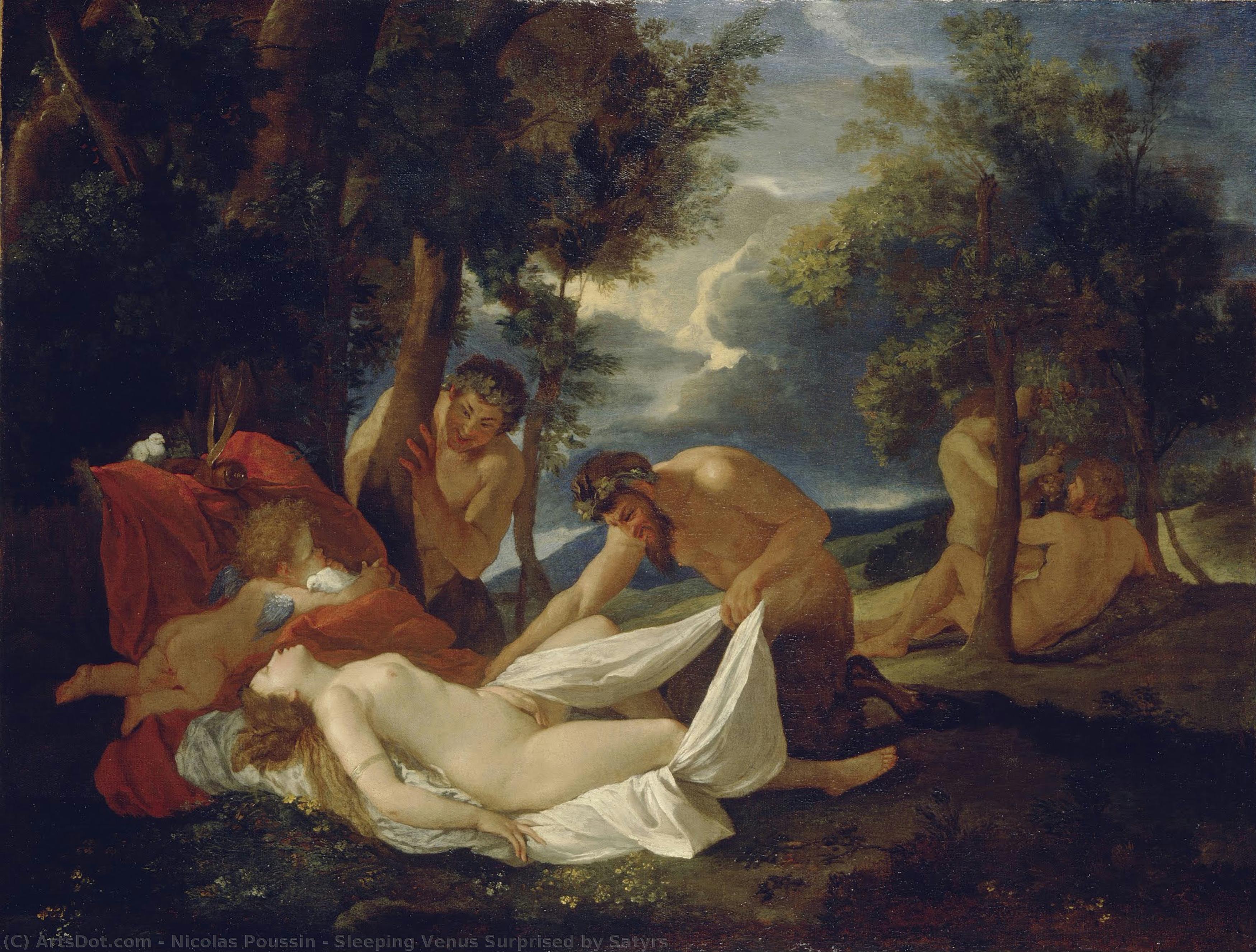
- Sleeping Venus Surprised by Satyrs
 Koupit tisk Objednat reprodukci
 Sdílet
 Sdílet
 Details
 Přidat do oblíbených

 Stáhnout
 Podobné položky
 X-Ray
X-Ray
 Slideshow
Sleeping Venus Surprised by Satyrs
 Acrylic On Canvas
- WallArt
- Baroque
 1625
1625- Renaissance
 77.0 x 100.0 cm
 Kunsthaus Zürich
Koupě vysoce rozlišeného, vylepšeného digitálního obrazu, který je mnohem kvalitnější než online náhled.
Každý soubor je pečlivě připraven našimi odborníky pomocí pokročilých nástrojů a expertní manuální retuše. Zajišťujeme, aby každý obraz disponoval výjimečnou ostrostí, přesnou barevnou věrností a jemnými detaily.
Finální soubor vám bude do 72 hodin zaslán e-mailem, optimalizovaný pro okamžité použití v profesionálním, redakčním i tiskovém prostředí. Nabízíme stejnou kvalitu, které důvěřují špičková designová studia, nakladatelství i galerie.
 Více informací
Digitální obrazy
Stáhněte si soubor ve vysokém rozlišení pro osobní prohlížení, tisk a kreativní projekty.
Součást každé objednávky digitálního obrazu
Profesionální digitální doručení, zaručeno.
Když si vyberete ArtsDot.com, nezískáváte pouze obrázek – získáváte digitální umělecké dílo s profesionálně vylepšenými detaily, zpracované s precizností a podpořené zárukou za spokojenost. Zde je vše, co vaše objednávka automaticky obsahuje:

Rychlé doručení e-mailem
Váš digitální obraz ve vysokém rozlišení vám bude zaslán e-mailem do 72 hodin od objednávky – připraven k okamžitému použití.

Digitální soubor s využitím AI
Vaše umělecké dílo je profesionálně optimalizováno pomocí pokročilých nástrojů umělé inteligence a manuální úpravy, což zajišťuje maximální úroveň detailu, ostrosti a přesnosti barev.

Bezplatné doživotní znovuodeslání
Soubor jste omylem smazali nebo ztratili? Žádný problém – kdykoliv vám ho znovu zašleme zcela zdarma.

Bez poplatků za dovoz – navždy
Užijte si své umělecké dílo okamžitě bez celních poplatků, daní nebo nákladů na dopravu – digitální stažení je vždy bez daňových povinností.

Záruka přesnosti barev
Pomocí profesionálních nástrojů a správy barev zajišťujeme, aby váš digitální obraz odrážel původní barvy co nejvěrněji.

60denní záruka spokojenosti
Pokud nebudete s digitální fotografií spokojeni, provedeme její revizi nebo vám vrátíme 100% během 60 dnů – bez jakýchkoliv dotazů.

100% záruka vrácení peněz
Nespokojeni? Získejte plnou částku zpět do 60 dní od přijetí vašeho digitálního souboru – bez jakýchkoliv dotazů.

Slevy při hromadných objednávkách
Koupěte si 3 obrazy, ušetřete 10% - Koupěte si 5, ušetřete 15% - Koupěte si 10+, ušetřete 20%. Ideální pro kreativní projekty, galerie a agentury.
Popis sběratelského kusu
A Baroque Reverie: Unveiling Poussin’s ‘Sleeping Venus Surprised by Satyrs’
Nicolas Poussin's 1625 masterpiece, *Sleeping Venus Surprised by Satyrs*, is a captivating exploration of myth, sensuality, and the delicate balance between idyllic peace and playful disruption. This oil on canvas (77 x 100 cm), currently housed at the Kunsthaus Zürich, exemplifies Poussin’s distinctive blend of classical composure and Baroque drama – a style that would profoundly influence generations of artists.Mythological Narrative & Historical Context
The painting draws upon the rich tapestry of Greco-Roman mythology, depicting Venus, the goddess of love and beauty, in a vulnerable moment of slumber. She is surrounded by mischievous satyrs—creatures part human, part goat—poised to intrude upon her tranquility. Painted during Poussin’s early Roman period, the work reflects the 17th-century fascination with classical themes and the burgeoning interest in *poésie érotique* (erotic poetry) within artistic circles. Poussin, though French, spent most of his career in Rome, absorbing its artistic heritage while forging a unique style that balanced Italianate exuberance with French clarity.Artistic Style & Technique
Poussin’s approach is distinctly Baroque, characterized by dynamic composition and dramatic use of light and shadow. However, unlike the high drama favored by some of his contemporaries, Poussin tempers this with a carefully constructed order and a focus on linear clarity. His brushwork, influenced by Titian (a master of Venetian colorism), is confident and expressive, creating rich textures in the drapery and foliage. The scene unfolds within a lush forest setting, rendered with meticulous detail, providing a verdant backdrop to the unfolding drama.Symbolism & Interpretation
The symbolism embedded within *Sleeping Venus Surprised by Satyrs* is multi-layered. Venus’s slumber represents vulnerability and innocence, while the satyrs embody primal instincts and untamed desire. The bowl placed near her bed symbolizes comfort and luxury, contrasting with the wildness of the surrounding forest. The intrusion of the satyrs can be interpreted as a metaphor for the disruptive forces that threaten idyllic beauty or the awakening of sensual desires. It’s a scene poised between peaceful repose and impending action, inviting viewers to contemplate the complexities of love, desire, and the natural world.Emotional Impact & Aesthetic Appeal
The painting evokes a sense of both anticipation and unease. The warm color palette—rich reds, browns, and golds—creates an intimate atmosphere, while the dramatic lighting heightens the tension. Poussin’s masterful composition draws the eye to Venus as the central focal point, yet allows for exploration of the surrounding details and the playful energy of the satyrs. This work is not merely a depiction of a mythological scene; it's an invitation to experience a moment of heightened emotion and aesthetic pleasure.For Collectors & Interior Designers
*Sleeping Venus Surprised by Satyrs* offers timeless elegance and sophisticated allure. Its classical composition and harmonious color scheme make it a versatile addition to various interior styles, from traditional to contemporary. A high-quality reproduction of this painting would serve as a stunning focal point in a living room, bedroom, or study, adding a touch of Baroque grandeur and intellectual depth.- Ideal for: Collectors of Baroque art, enthusiasts of classical mythology, and those seeking statement pieces.
- Style Compatibility: Complements traditional, transitional, and eclectic interior designs.
- Color Palette: Warm tones create a welcoming and sophisticated ambiance.
Podobná umělecká díla


Biografie umělce
Nicolas Poussin – A Life Steeped in Classical Reverie
Nicolas Poussin, a name synonymous with the grandeur of French Baroque painting, was nonetheless a soul deeply rooted in Italian soil for much of his artistic life. Born in Les Andelys, Normandy, in June 1594, his early years remain somewhat veiled in mystery, yet they undoubtedly laid the foundation for a career that would become pivotal in shaping the classical tradition within French art. Though he briefly studied in Paris during the early 1610s, absorbing influences from lesser-known artists of the time, it was his journey to Rome in 1624 that truly ignited his artistic destiny. This wasn’t merely a geographical relocation; it was an immersion into the heart of antiquity, a pilgrimage to the very source of inspiration that would define his aesthetic vision. Poussin's initial forays into painting were marked by a sensuous quality reminiscent of Venetian masters like Titian, yet even in these early works, a nascent sense of order and intellectual rigor began to emerge—a foreshadowing of the style he would so masterfully refine.Early Influences and Parisian Years
His formative years were spent honing his skills under Quentin Varin, a respected artist who instilled in him an appreciation for draughtsmanship and observation. Shortly thereafter, Poussin ventured into Paris, where he engaged with the artistic currents of the era—particularly those championed by Raphael and Giulio Romano—artists whose harmonious compositions and graceful forms would profoundly shape his subsequent style. The Parisian environment fostered intellectual curiosity and exposed him to humanist scholarship, influencing his worldview and fueling his desire for artistic excellence. During this period, Poussin produced a series of mythological drawings that showcased his burgeoning talent and demonstrated his commitment to capturing the beauty and dignity of classical ideals. These early works established a foundation for his later explorations of history and myth—themes he would revisit throughout his illustrious career.The Roman Years: Forging a Classical Ideal
Rome proved to be more than just a studio for Poussin; it became his intellectual crucible. He found himself amidst a vibrant circle of scholars, archaeologists, and fellow artists, notably Cassiano dal Pozzo, whose profound understanding of classical antiquity profoundly influenced the artist’s approach. Dal Pozzo's dedication to meticulously documenting ancient remains instilled in Poussin a deep respect for historical accuracy and a desire to imbue his paintings with a sense of timelessness. This period saw Poussin move away from the flamboyant exuberance of some of his contemporaries, instead embracing a style characterized by clarity, balance, and a deliberate emphasis on linear composition. He meticulously studied Raphael’s works, absorbing their harmonious arrangements and graceful forms, while simultaneously drawing inspiration from ancient sculptures and literary sources like Ovid's *Metamorphoses*. His paintings began to populate with figures drawn from classical history and mythology, rendered not as mere decorative elements but as embodiments of moral virtues and philosophical ideals. He became acquainted with Cardinal Francesco Barberini, whose patronage provided him with invaluable support and access to a stimulating intellectual milieu.Style and Technique: Classical Restraint Amidst Baroque Flourish
Poussin’s artistic style distinguished itself from the prevailing Baroque trends—characterized by dramatic emotion and opulent ornamentation—through its unwavering commitment to classical principles. He rejected excessive theatricality in favor of serene beauty, prioritizing compositional clarity and harmonious color palettes. His technique involved painstaking draughtsmanship, utilizing precise lines and subtle shading to create illusions of depth and perspective that mirrored the achievements of Renaissance masters. The artist’s meticulous attention to detail—evident in his depictions of drapery folds, facial expressions, and landscape vistas—reflected a profound understanding of artistic craftmanship. He skillfully blended influences from Venetian painters like Titian with the stylistic refinements of Raphael, resulting in an oeuvre marked by both sensuous richness and intellectual rigor.Legacy: Shaping French Art and Beyond
Nicolas Poussin’s influence extended far beyond his own lifetime, establishing a cornerstone of French Classical painting. His unwavering devotion to classical ideals served as inspiration for subsequent generations of artists—Jacques-Louis David and Paul Cézanne among them—who acknowledged their debt to Poussin's stylistic precision and philosophical depth. He championed the pursuit of beauty and order, advocating for artistic training rooted in humanist scholarship and informed by a deep appreciation for antiquity. His enduring legacy resides not merely in his magnificent paintings but also in his contribution to shaping the intellectual landscape of France—a testament to an artist who transcended mere aesthetic achievement to become a symbol of cultural excellence. He remains one of the most revered figures in French art history, celebrated for his mastery of technique and his profound engagement with timeless themes.
Nikolás Poussin
1594 - 1665 , Francie
Stručné informace
- Artistic Movement Or Style: Baroko, Klasicismus
- Artists Or Movements Influenced By This Artist: ['Jacques-Louis David']
- Artists Who Influenced This Artist:
- Raphael
- Titian
- Date Of Birth: Les Andelys, Francie
- Date Of Death: Řím, Italie
- Full Name: Nicolas Poussin
- Nationality: Francouzský
- Notable Artworks:
- Mrtvý Němcův
- Sedm Sakramentů Série
- Římanská cesta
- Place Of Birth: Francie

