


 Náhled
 Sdílet
 Sdílet
 Podrobnosti o díle

 Stáhnout
 Podobné položky
 Rentgenové snímky
 Slideshow
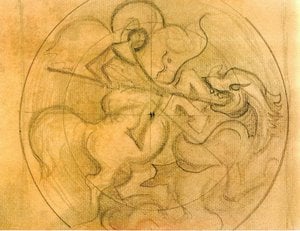
Untitled (351)
 Zobrazit více
Giclée / Umělecký tisk
Giclée nebo plátěný tisk muzeální kvality s rychlou výrobou a flexibilními možnostmi povrchové úpravy. ( Koupit ručně malovaný obraz Koupit obrázek)




































Vyberte si z našich přednastavených velikostí, které odpovídají původním proporcím díla.

Můžete zadat vlastní rozměry tak, aby výtvor odpovídal konkrétnímu rámu nebo prostoru. Pokud zvolená velikost nebude odpovídat poměru stran původního obrazu, dílo buď ořížeme, nebo obraz rozšíříme pomocí zrcadlového efektu či jednobarevného okraje. Před zahájením výroby vám bude zaslán digitální náhled k schválení.
Mějte prosím na paměti, že náhled na obrazovce neodráží skutečné oříznutí nebo rozšíření. Pouze digitální náhled přesně zobrazí finální kompozici.
Ačkoliv jsou k dispozici i vlastní rozměry, pro zachování původních proporcí doporučujeme vybrat si rozměr z předdefinovaného seznamu.
Celosvětové doručení () do 2 týdnů namísto standardních 4/5 týdnů. (28 srpen)

Zdarma celosvětová expresní doprava

Vysoce kvalitní lněné plátno

Kompletní přepravní pojištění

Záruka vrácení celního poplatku

Záruka přesného barevného shodu

60denní lhůta pro vrácení zboží (pouze při vadách výroby)

100% garance vrácení peněz

Sleva při hromadné objednávce
 Skleněná varianta je dostupná pouze u rozměrů menších než 110 cm

Untitled (351)
Giclée / Umělecký tisk
Rozměry reprodukce
-


Celková cena za výběr
€ 54
Podobná umělecká díla


Biografie umělce
The Soul of Asturias: The Life and Vision of Nicanor Piñole
In the quiet, mist-laden landscapes of Gijón, a singular artistic voice emerged that would forever alter the perception of the Spanish countryside. Nicanor Piñole (1878–1978) was not merely a painter of scenes, but a poet of light and shadow, an artist who possessed the rare ability to find the universal within the local. Born in Asturias, his life spanned a century of profound historical transformation, yet his heart remained anchored to the rugged beauty of the Cantabrian coastline and the intimate rhythms of rural life. His journey began with rigorous academic training at the Real Academia de Bellas Artes de San Fernando in Madrid and later in Rome, but it was his departure from the rigid constraints of academicism that truly defined his legacy. Seeking a more vibrant connection to reality, he embraced the burgeoning influences of Impressionism, allowing the fleeting nuances of atmosphere to guide his brush.
Piñole’s artistic evolution was marked by a profound transition from formal study to a deeply personal visual language. Under the early influence of mentors like José María Ribalta, he mastered the technical foundations of color and form, yet he soon found himself drawn to the spontaneous energy of light. This fascination led him to adopt the principles of masters such as Monet and Renoir, focusing on how sunlight dances across a landscape or how shadows deepen in a verdant meadow. However, Piñole’s work never became a mere imitation of French Impressionism; instead, he infused these techniques with a distinctly Spanish sensibility. His palette often leaned into the earthy, soulful tones of his homeland, creating works that felt both intimately familiar and strikingly modern.
A Symphony of Black Flowers and Pastoral Grace
To encounter a Piñole painting is to enter a world of quiet contemplation and unexpected symbolism. He became most renowned for his evocative still lifes, particularly his hauntingly beautiful depictions of black flowers. Set against lush, verdant backgrounds, these dark, velvety blooms served as more than mere botanical studies; they were profound meditations on the cycle of life, embodying themes of death, remembrance, and the resilient beauty that persists even in darkness. This recurring motif provided a striking contrast to his other frequent subjects—the pastoral scenes of the Spanish countryside. In these works, Piñole captured the dignity of the peasantry, the steady movement of livestock, and the serene simplicity of families at work, all rendered with a meticulous yet soft touch.
His technical mastery was most evident in his use of pastel crayons and chalks. This medium allowed him to achieve a remarkable depth of texture and a subtle gradation of tones that mimicked the softness of nature itself. Whether he was sketching a nude study with an emphasis on form and light or capturing the charming, almost naive charm of a turkey family in a rural landscape, his hand remained incredibly versatile. His ability to oscillate between the heavy symbolism of his still lifes and the realistic, observational quality of his landscapes demonstrates a breadth of vision that few of his contemporaries could claim.
Legacy and Historical Resonance
The historical significance of Nicanor Piñole lies in his role as a bridge between the traditional Spanish academic style and the modern era. Throughout his long career, his work traveled far beyond the borders of Asturias, finding audiences in Madrid, Paris, London, and even across the Atlantic in various United States cities. This international reach helped introduce a new, more emotive pictorial code to the Spanish art scene, one that prioritized sensory experience over rigid anatomical or architectural accuracy. Even during the turbulent years of the Spanish Civil War, when he remained in his native Asturias, his commitment to portraying the human landscape—the trades of the sea and the everyday gestures of coastal inhabitants—remained steadfast.
Today, the works of Piñole are cherished not only for their aesthetic beauty but for their ability to evoke a sense of nostalgia and timelessness. His paintings serve as a window into a vanished way of life, preserving the essence of the Asturian spirit through a lens of profound artistic sophistication. As we look upon his masterful use of light and his iconic floral compositions, we see an artist who successfully captured the eternal dance between the ephemeral moment and the enduring soul of the landscape.

nicanor pinole
1878 - 1978 , Spain
Rychlé fakta
- Artistic Movement Or Style: Symbolic Painting
- Date Of Birth: 1878
- Full Name: Nicanor Pinole
- Nationality: Spanish
- Notable Artworks:
- Untitled (810)
- Untitled (140)
- Untitled (329)
- Place Of Birth: Gijón, Spain

