

 Náhled v interiéru
 Sdílet
 Sdílet
 Podrobnosti o díle
 Průvodce

 Stáhnout
 Podobné položky
 Rentgenové snímky
 Slideshow
 Otázky a odpovědi
 Statistiky
Landscape

- 50.0 x 50.0 cm


 Zobrazit více
Získejte soubor připravený k tisku, který svou kvalitou výrazně převyšuje webový náhled. Každý prodávaný digitální obraz pochází z vysokorozlišeného originálu v naší databázi – obvykle o šířce 5 000 až 15 000 pixelů – díky čemuž můžete tisknout ve velkém formátu, provádět těsný střih nebo si s jistotou užít i ty nejjemnější detaily.
Žádný soubor neopustí naše studio bez úprav. Digitální expert kontroluje barvy v porovnání s původním malířským dílem a v případě potřeby je upravuje, poté pomocí profesionálních nástrojů pro retuš zvyšuje ostrost a detailnost — přičemž vždy zůstává věrný tahům štětcem a stylu umělce. Výsledkem je obraz, který vypadá jako malba, nikoliv jako naskenovaný snímek s filtrem.
Schvalování před dokončením: náš expert vám do 72 hodin zašle obraz e-mailem k revizi. Nejsste spokojeni? Můžete požádat o úpravy či opravy, nebo si můžete vyžádat vrácení peněz, pokud kvalita neodpovídá vašim očekáváním.
Tuto kvalitu využívají vydavatelství, designová studia, galerie i tiskárny.
Digitální obrazy
Stáhněte si soubor ve vysokém rozlišení pro osobní prohlížení, tisk nebo kreativní projekty. ( Přepnout na tisk Koupit ručně malovaný obraz)
Součást každé objednávky digitálního obrazu
Profesionální digitální doručení, zaručené
Když si vyberete ArtsDot.com, nezískáváte pouze obrázek – získáváte digitální umělecké dílo s profesionálně vylepšenými detaily, zpracované s precizností a podpořené zárukou za spokojenost. Zde je vše, co vaše objednávka automaticky obsahuje:

Rychlé doručení e-mailem
Váš digitální obraz ve vysokém rozlišení vám bude zaslán e-mailem do 72 hodin od objednávky – připraven k okamžitému použití.

Digitální soubor s využitím AI
Vaše umělecké dílo je profesionálně optimalizováno pomocí pokročilých nástrojů umělé inteligence a manuální úpravy, což zajišťuje maximální úroveň detailu, ostrosti a přesnosti barev.

Doživotní bezplatné znovuodeslání digitálních obrazů
Soubor jste omylem smazali nebo ztratili? Žádný problém – kdykoliv vám ho znovu zašleme zcela zdarma.

Bez poplatků za dovoz – navždy
Užijte si své umělecké dílo okamžitě bez celních poplatků, daní nebo nákladů na dopravu – digitální stažení je vždy bez daňových povinností.

Záruka přesnosti barev
Díky profesionálním nástrojům a správě barev zajišťujeme, aby váš digitální obraz odrážel původní barvy co nejvěrněji.

100dená záruka spokojenosti
Pokud nebudete s digitálním obrázkem spokojeni, provedeme jeho revizi nebo vám vrátíme 100% platby do 100 dnů – bez jakýchkoliv dotazů.

100% záruka vrácení peněz
Nespokojeni? Získejte plnou náhradu peněz do 100 dnů od obdržení digitálního souboru – bez zbytečných dotazů.

Slevy při hromadných objednávkách
Koupě 3 obrazů ušetří 10% – Koupě 5 obrazů ušetří 15% – Koupě 10+ obrazů ušetří 20%. Ideální pro kreativní projekty, galerie a agentury.
Narcis Kantardžić’s ‘Landscape’: A Moment of Contemplative Wonder
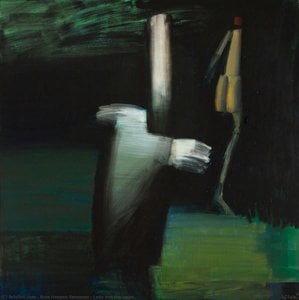
This evocative landscape painting by Narcis Kantardžić, created in 1986, immediately draws the viewer into a scene brimming with quiet contemplation and subtle beauty. The artwork depicts a solitary figure standing on a dramatic cliff edge, gazing out over a vast expanse of water beneath a sky painted with delicate clouds. It’s a composition that speaks to the timeless human desire for connection – with nature, with oneself, and perhaps, with something beyond.
- Subject Matter: The central focus is undeniably the lone figure, rendered with a sensitivity that suggests both vulnerability and resilience. His posture, seemingly lost in observation, invites us to share his moment of quiet reflection.
- Setting: Kantardžić masterfully utilizes the landscape as more than just a backdrop; it’s an active participant in the scene's emotional narrative. The cliff face, the body of water, and the expansive sky all contribute to a sense of scale and grandeur, emphasizing the insignificance – and yet, the profound importance – of the individual within this vast world.
Technique and Materiality: An Oil on Canvas Masterpiece
Executed in oil on canvas, ‘Landscape’ showcases Kantardžić's skillful command of texture and light. The brushwork is evident yet controlled, creating a rich surface that captures the nuances of both the natural elements and the human form. The use of impasto – thick application of paint – particularly noticeable in the cliff face, adds depth and physicality to the scene, grounding the viewer in the tangible reality of the landscape. The color palette, dominated by blues and greys with subtle highlights, evokes a sense of atmospheric perspective, enhancing the painting’s three-dimensional quality.
Symbolism and Narrative Resonance
Beyond its immediate visual appeal, ‘Landscape’ is rich in symbolic potential. The boat on the water below represents human endeavor and connection to the world, while the birds soaring overhead symbolize freedom and aspiration. The solitary figure's stance suggests a yearning for understanding or perhaps a search for meaning within the immensity of nature. The cloudy sky adds an element of mystery and uncertainty, mirroring the complexities of the human condition.
Historical Context and Artistic Influence
Created in 1986, this work reflects a broader trend in landscape painting – a return to representational realism combined with a heightened awareness of atmosphere and emotion. While Kantardžić’s style isn't overtly tied to any specific movement, it shares affinities with the Romantic tradition’s emphasis on sublime landscapes and the individual’s relationship with nature. The piece’s quiet intensity and contemplative mood resonate with a desire for introspection that was increasingly prevalent in art during this period.
Otázky a odpovědi
Z jakého materiálu je dílo "Landscape" vyrobeno a v jakém je stylu?
V díle "Landscape" se setkává technika Oil On Canvas sismem Pop Art.
Co zachycuje dílo „Landscape“ od Narcis Kantardžić a jakou náladu vyvolává?
„Landscape“ zobrazuje landscape painting, cliffside view, contemplative figure, bird watching, body of water, oil on canvas, narcis kantardzic a jeho zachycená nálada je Calm.
Jaké emoce vyjadřuje dílo z období Pop Art s názvem „Landscape“?
V rámci směru Pop Art je dílo „Landscape“ zachyceno v Reflective tónu.
Podobná díla




Biografie umělce
The Ethereal Landscapes of Narcis Kantardžić
Born in Derventa, Bosnia and Herzegovina, Narcis Kantardžić has cultivated a visual language that bridges the artistic traditions of the former Yugoslavia with the contemporary sensibilities of Slovenia. A graduate of the Academy of Fine Arts in Sarajevo, where he studied under Professor Milorad Čorović, his early career was marked by a profound engagement with the cultural pulse of Sarajevo. In 1982, alongside fellow graduates, he co-founded the influential art collective Zvono, an avant-garde group known for its street exhibitions and experimental spirit that energized the local scene during the 1980s. His journey eventually led him from the turbulent years of the Balkan wars to Celje, Slovenia, a transition that would profoundly shape the thematic depth of his later works.
The essence of Kantardžić’s oeuvre lies in its ability to evoke a sense of metaphysical wonder and quiet contemplation. His paintings often feature distant, romantic landscapes that serve as much more than mere scenery; they are active participants in an emotional narrative. A recurring motif in his work is the tower—ranging from monumental, ancient fortresses to the haunting imagery of burning industrial complexes. These vertical structures, set against expansive skies and vast bodies of water, create a tension between the permanence of architecture and the ephemeral nature of time. In works such as Landscape (1986), the presence of a solitary figure often serves not as a portrait of a person, but as a symbol of profound loneliness and the human desire for connection within an immense, sometimes post-apocalyptic, world.
Technique and Artistic Evolution
Throughout his development, Kantardžić has demonstrated a remarkable command over diverse media. While his early years involved experimentation with video, installation, scenography, and performance, his recent focus has returned to the mastery of painting and graphic art. His oil on canvas works are particularly noted for their sophisticated use of light and shadow, blending the precision reminiscent of the Renaissance with the sublime atmosphere of Romanticism. He utilizes techniques such as impasto—the thick, textured application of paint—to grant physical depth to natural elements like cliff faces, grounding his more ethereal subjects in a tangible reality.
The artist's palette often leans toward atmospheric blues and greys, punctuated by subtle highlights that enhance the three-dimensional quality of his compositions. This meticulous approach to color and light creates a sense of scale and grandeur, emphasizing the delicate balance between vulnerability and resilience. His work continues to resonate through its minimalist framing and intricate play of textures, offering a profound reflection on civilization, architecture, and the enduring human condition.
Legacy and Recognition
Kantardžić’s influence extends far beyond the borders of Slovenia. He has exhibited his work extensively across the former Yugoslavia and internationally, with notable appearances in art hubs such as London, Budapest, Ravenna, and Trieste. His contributions to the arts have been recognized through numerous Slovenian awards for painting, and he remains an active figure in art education, teaching at a drawing and painting school near his studio in Celje.
His artistic journey is characterized by several key milestones:
- Founding of Zvono: A pivotal moment in the 1980s Sarajevo art scene.
- Membership in ULUBiH: Becoming a member of the Association of Visual Artists of Bosnia and Herzegovina in 1984.
- International Exhibition Presence: Showcasing his vision in major European cultural centers.
- Exhibition at Koroška: Featuring in significant shows such as The Tremendous World I have Inside My Head at the Museum of Modern and Contemporary Art Koroška.

Narcis Kantardžić
1958 -