


 Zobrazit v interiéru
 Odeslat
 Sdílet
 Podrobnosti
 Průvodce

 Stáhnout obrázek
 Podobné kousky
 Rentgenové snímky
 Slideshow
 Statistiky
Monkeys


 Přečíst si více
Umělecké dílo zobrazené na této stránce je chráněno autorským zákonem, což znamená, že nemůžeme legálně vytvářet ani prodávat jeho identickou reprodukci. Tato ochrana je vymáhána na základě mezinárodních dohod, jako například Berberská úmluva a národními zákony, včetně těch stanovených v Americký autorský zákon – Díl 17. Všechna práva vyhrazena.
Jako etickou a právní alternativu nabízíme vlastní, ručně malovaná umělecká díla inspirovaná originálem. Naši zdatní a profesionální umělci si pečlivě studují styl, náladu a uměleckou podstatu originálu, aby vytvořili nové, jedinečné dílo, které vyvolává stejný pocit – přičemž zůstává samostatným originálním tvůrčím dílem.
Tato metoda je plně v souladu s autorským právem, protože nezahrnuje kopírování ani duplikování chráněného díla. Jde o kreativní reinterpretaci – nový obraz, který je inspirován originálem, ale není s ním identický.
Ručně malovaná olejová reprodukce
Ručně malované olejné plátno v libovolném rozměru i s rámem, vyrobené našimi umělci na zakázku. ( Přepnout na tiskové verze Přepnout na digitální verzi obrazu)




































Vyberte si z našich přednastavených velikostí, které odpovídají původním proporcím díla.

Zadejte šířku a výšku, které potřebujete pro váš rám nebo stěnu. Protože se jedná o ruční malbu, při výběru jiného formátu může umělec kolem obrazu domalovat o něco více, nebo jej mírně oříznout — rozhodnete si vy. Před zahájením malby vám zašleme digitální náhled ke schválení. Obraz zobrazený na této stránce neodpovídá skutečnému výsledku — pouze digitální náhled jej zobrazuje.
Po přijetí objednávky vám tým ArtsDot.com zašle e-mail s pokyny a poskytne náhledovou verzi.
Celosvětová doprava () za 3–4 týdny namísto standardních 5 týdnů. (24 říjen). Bez kompromisů v kvalitě.

Zdarma celosvětová expresní doprava

Vysoce kvalitní lněné plátno

Úplné pojištění přepravy

Záruka vrácení celního poplatku

Záruka věrného barevného shodu

100dení lhůta pro vrácení zboží (pouze při vadách výroby)

100% garance vrácení peněz

Sleva při více objednávkách
 Skleněná varianta je dostupná pouze u rozměrů menších než 110 cm

Monkeys
Technika provedení
Velikost reprodukce
-


Celková cena
Kč 5618
Související díla


Biografie umělce
Early Life and Artistic Foundations
Miki Suizan, born Miki Saiichirō on July 15, 1887, in the small town of Kinashi, Hyogo Prefecture, northwest of Osaka, emerged from a Japan undergoing rapid transformation. The Meiji Restoration had irrevocably altered the nation’s social and artistic landscape, blending traditional aesthetics with burgeoning Western influences. While details surrounding his early upbringing remain somewhat scarce, it is known that Suizan demonstrated an aptitude for art at a young age, leading him to Kyoto in 1903 to begin formal studies under the esteemed nihonga painter Takeuchi Seihō. This mentorship proved pivotal; Seihō, a staunch advocate of traditional Japanese painting techniques and subject matter, instilled in Suizan a deep respect for the past while encouraging innovation within its established frameworks.
A Master of Bijin-ga and Sumi-e
Suizan quickly distinguished himself as a painter specializing in bijin-ga, portraits of beautiful women. However, his approach wasn’t merely replication of existing styles. He infused his depictions with a delicate lyricism and psychological depth that set him apart. His women weren't simply objects of beauty; they were imbued with personality, often captured in moments of quiet contemplation or graceful activity. Beyond bijin-ga, Suizan also excelled in sumi-e, monochrome ink wash painting—a discipline demanding both technical precision and profound artistic sensibility. His tiger paintings, for example, showcase a remarkable command of brushwork, conveying the animal’s power and majesty with expressive lines and atmospheric shading. This versatility allowed him to navigate diverse themes while maintaining a consistent aesthetic vision.
Exhibition Success and Recognition
From 1913 onward, Suizan consistently exhibited his work at prestigious government-sponsored exhibitions like Bunten, Teiten, and Shin-Bunten—venues that served as crucial platforms for establishing an artist’s reputation. A significant milestone arrived in 1932 when he was granted mukansa status at the 13th Teiten exhibition. This coveted designation reserved for artists who had made substantial contributions to contemporary painting, allowed Suizan to exhibit freely without undergoing the usual vetting process—a testament to his growing recognition and artistic merit.
Themes and Techniques
Suizan’s art is characterized by a harmonious blend of traditional Japanese aesthetics and subtle modern sensibilities. His bijin-ga often depict women engaged in everyday activities – preparing tea, arranging flowers, or simply lost in thought. These scenes are rendered with meticulous attention to detail, showcasing the elegance of kimono patterns, the delicate texture of hair ornaments, and the nuanced expressions on his subjects’ faces. His sumi-e works, such as the dynamic ‘Monkeys’ triptych, demonstrate a mastery of ink wash techniques, utilizing varying shades of grey to create depth, movement, and atmosphere. He skillfully employed both color and monochrome palettes, adapting his approach to suit the specific subject matter and desired emotional effect.
Legacy and Historical Significance
In 1952, Suizan embarked on a period living in the United States, holding individual exhibitions focused primarily on his bijin-ga. This exposure introduced his art to a Western audience, further solidifying his international reputation. While he returned to Japan in 1957, his passing that same year marked the end of a prolific career. Today, Miki Suizan is remembered as a significant figure in early 20th-century Japanese painting—a master of bijin-ga and sumi-e who successfully bridged tradition and modernity. His works are held in the collections of major museums worldwide, including the Tokyo Museum of Modern Art, the Kyoto Museum of Modern Art, and the Boston Museum of Fine Arts, ensuring his enduring legacy for generations to come.

Miki Suizan
1887 - 1957 , Japan
Rychlé informace
- Full Name: Miki Saiichirō
- Nationality: Japanese
- Date Of Birth: 1887
- Date Of Death: 1957
- Place Of Birth: Kinuishi, Japan
- Notable Artworks:
- Tiger
- Monkeys
- Artistic Movement Or Style: Nihonga, Bijin-ga
- Artists Who Influenced This Artist: ['Takeuchi Seiho']
Související články

Japonisme: How Japanese Woodblock Prints Revolutionized Western Art
Explore the profound impact of Japonisme on Western art. Discover how Japanese ukiyo-e woodblock prints revolutionized perspective, color, and composition for masters like Monet and Van Gogh, forever changing the course of modern art history.
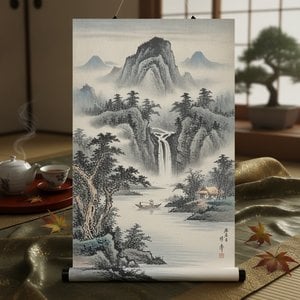
Serenity on Canvas: A Guide to the Timeless Beauty of Japanese Landscape Painting
Discover the serene beauty of Japanese landscape painting. From Hokusai's iconic woodblock prints to meditative sumi-e ink washes, explore a visual journey through the 'floating world' and learn how to bring this timeless Zen aesthetic into your modern home decor.

Suzuki Harunobu: Pioneering Ukiyo-e & the Refinement of Edo Period Printmaking
Discover the revolutionary world of Suzuki Harunobu, a pioneer of ukiyo-e printmaking. Explore his exquisite nishiki-e techniques, diverse subjects & lasting impact on Japanese art history. Learn more at ArtsDot.

Floating World: The Captivating Art and Legacy of Japanese Ukiyo-e
Explore the profound beauty of Japanese Ukiyo-e. Discover the history, masters like Hokusai, and the enduring legacy of the 'Floating World' through an expert art-historical lens.

Katsushika Hokusai: 25 mistrovských děl japonského umění pro váš interiér | ArtsDot.com
Prozkoumejte 25 ikonických děl japonského mistra Katsushiky Hokusaiho! Objevte příběhy za Velkou vlnou, 36 pohledů na horu Fuji a další ukiyo-e tisků. Kvalitní reprodukce obrazů pro váš interiér na ArtsDot.com.