


 Zobrazit v interiéru
 Odeslat
 Sdílet
 Podrobnosti
 Průvodce

 Stáhnout obrázek
 Podobné kousky
 Rentgenové snímky
 Slideshow
 Statistiky
Crossing the River


 Přečíst si více
Ručně malovaná olejová reprodukce
Ručně malované olejné plátno v libovolném rozměru i s rámem, vyrobené našimi umělci na zakázku. ( Přepnout na tiskové verze Přepnout na digitální verzi obrazu)




































Vyberte si z našich přednastavených velikostí, které odpovídají původním proporcím díla.

Můžete zadat vlastní rozměry pro konkrétní rám nebo prostor. Pokud se vámi vybraná velikost neshoduje s proporcemi původního obrazu, dílo buď ořízneme, nebo jej doplníme ručně malovanými prvky. Před zahájením výroby vám bude zaslán digitální náhled ke schválení.
Upozorňujeme, že náhled na obrazovce neodpovídá skutečnému ořezu ani rozšíření. Pouze digitální náhled přesně zobrazí finální kompozici.
Ačkoliv je možné zvolit vlastní velikost, pro zachování původních proporcí doporučujeme vybrat rozměr z předdefinovaného seznamu.
Po přijetí objednávky vám tým ArtsDot.com zašle e-mail s pokyny a poskytne náhledovou verzi.
Celosvětová doprava () za 3–4 týdny namísto standardních 5 týdnů. (26 září). Bez kompromisů v kvalitě.

Zdarma celosvětová expresní doprava

Vysoce kvalitní lněné plátno

Úplné pojištění přepravy

Záruka vrácení celního poplatku

Záruka věrného barevného shodu

100dení lhůta pro vrácení zboží (pouze při vadách výroby)

100% garance vrácení peněz

Sleva při více objednávkách
 Skleněná varianta je dostupná pouze u rozměrů menších než 110 cm

Crossing the River
Technika provedení
Velikost reprodukce
-


Celková cena
$ 263
Související díla


Biografie umělce
The Renaissance of Indian Bronze
Meera Mukherjee emerged from the vibrant cultural landscape of Kolkata in 1923, not merely as a sculptor, but as a vital bridge between the ancient soul of India and the burgeoning modernism of the twentieth century. Her artistic journey was one of profound discovery, characterized by a desire to breathe new life into the ancestral rhythms of Bengali sculpting. By looking backward into the deep wells of tradition, she found the essential tools to move forward, creating a visual language that felt both timelessly rooted and strikingly contemporary.
Her artistic evolution was deeply shaped by her immersion within the tribal traditions of Chhattisgarh. It was here, amidst the Bastar sculpting community, that she mastered the intricate Dhokra method—a delicate lost-wax casting technique passed down through generations. Rather than simply replicating these ancient forms, Mukherjee possessed the rare brilliance to innovate upon them. She refined the bronze casting process, infusing the rugged, earthy textures of tribal art with a sophisticated modernist sensibility that allowed for greater fluidity and anatomical nuance.
A Humanist Lens on Tradition
The true heart of Mukherjee’s work lies in her unwavering commitment to humanism. Her sculptures do not merely depict figures; they capture the very essence of the common person, celebrating the dignity found in everyday life and folk traditions. Through her mastery of bronze, she transformed a heavy, industrial medium into something that feels remarkably alive, portraying scenes of communal strength and individual grace with an intimate, soulful touch.
Her monumental contributions to the Indian art scene were recognized with the prestigious Padma Shri in 1992, a testament to her role in elevating indigenous techniques to the global stage. Her legacy is defined by this unique duality: she was both a scholar of the past and a pioneer of the future. Through her work, the ancient echoes of the Dhokra tradition were transformed into a powerful, modern voice that continues to resonate within the history of Indian sculpture.

meera mukherjee
1923 - 1998 , India
Rychlé informace
- Artistic Movement Or Style: Modern Bengali sculpture, Dhokra technique
- Artists Who Influenced This Artist: ['Bastar sculpting tradition']
- Date Of Birth: 1923
- Date Of Death: 1998
- Full Name: Meera Mukherjee
- Nationality: Indian
- Place Of Birth: Kolkata, India
Související články

The Enduring Form: Sculpture Across History, Technique & Emotional Resonance
Explore the rich history of sculpture with ArtsDot. Discover key techniques, influential artists & investment potential for discerning collectors. Expert insights into valuing and collecting timeless masterpieces.

10 legendárních bronzových soch, které změnily umění | ArtsDot
Objevte 10 legendárních bronzových soch od Michelangela, Rodina a dalších mistrů! Ponořte se do historie umění, technik a příběhů za těmito nadčasovými díly. Najděte inspiraci pro váš interiér s ArtsDot.com – repliky nejvyšší kvality.

10 legendárních bronzových mistrovských děl, která změnila umění | ArtsDot
Objevte 10 legendárních bronzových mistrovských děl od Rodina, Donatella a dalších. Ponořte se do historie umění a nechte se inspirovat nadčasovými sochařskými replikami pro váš interiér. Prozkoumejte celou kolekci online na ArtsDot.com!

The Enduring Form: Exploring Themes & Techniques in Sculpture Across Historical Periods
Explore the rich history of sculpture from ancient masterpieces to contemporary innovations. Discover key techniques, influential artists & investment potential for discerning art collectors.
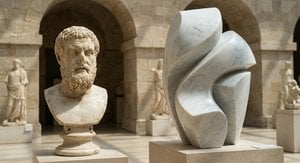
The Enduring Allure of Marble in Art History: From Classical Sculpture to Modern Abstraction
Explore the captivating history of marble sculpture from ancient Greece to modern art. Discover renowned artists like Canova & Michelangelo, carving techniques, and investment insights at ArtsDot.