

 Náhled v interiéru
 Sdílet
 Sdílet
 Podrobnosti o díle
 Průvodce

 Stáhnout
 Podobné položky
 Rentgenové snímky
 Slideshow
 Otázky a odpovědi
 Statistiky
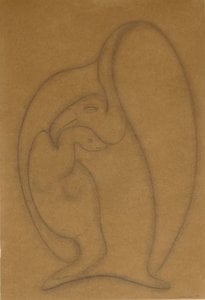
The acrobats


 Zobrazit více
Získejte soubor připravený k tisku, který svou kvalitou výrazně převyšuje webový náhled. Každý prodávaný digitální obraz pochází z vysokorozlišeného originálu v naší databázi – obvykle o šířce 5 000 až 15 000 pixelů – díky čemuž můžete tisknout ve velkém formátu, provádět těsný střih nebo si s jistotou užít i ty nejjemnější detaily.
Žádný soubor neopustí naše studio bez úprav. Digitální expert kontroluje barvy v porovnání s původním malířským dílem a v případě potřeby je upravuje, poté pomocí profesionálních nástrojů pro retuš zvyšuje ostrost a detailnost — přičemž vždy zůstává věrný tahům štětcem a stylu umělce. Výsledkem je obraz, který vypadá jako malba, nikoliv jako naskenovaný snímek s filtrem.
Schvalování před dokončením: náš expert vám do 72 hodin zašle obraz e-mailem k revizi. Nejsste spokojeni? Můžete požádat o úpravy či opravy, nebo si můžete vyžádat vrácení peněz, pokud kvalita neodpovídá vašim očekáváním.
Tuto kvalitu využívají vydavatelství, designová studia, galerie i tiskárny.
Digitální obrazy
Stáhněte si soubor ve vysokém rozlišení pro osobní prohlížení, tisk nebo kreativní projekty. ( Přepnout na tisk Koupit ručně malovaný obraz)
Součást každé objednávky digitálního obrazu
Profesionální digitální doručení, zaručené
Když si vyberete ArtsDot.com, nezískáváte pouze obrázek – získáváte digitální umělecké dílo s profesionálně vylepšenými detaily, zpracované s precizností a podpořené zárukou za spokojenost. Zde je vše, co vaše objednávka automaticky obsahuje:

Rychlé doručení e-mailem
Váš digitální obraz ve vysokém rozlišení vám bude zaslán e-mailem do 72 hodin od objednávky – připraven k okamžitému použití.

Digitální soubor s využitím AI
Vaše umělecké dílo je profesionálně optimalizováno pomocí pokročilých nástrojů umělé inteligence a manuální úpravy, což zajišťuje maximální úroveň detailu, ostrosti a přesnosti barev.

Doživotní bezplatné znovuodeslání digitálních obrazů
Soubor jste omylem smazali nebo ztratili? Žádný problém – kdykoliv vám ho znovu zašleme zcela zdarma.

Bez poplatků za dovoz – navždy
Užijte si své umělecké dílo okamžitě bez celních poplatků, daní nebo nákladů na dopravu – digitální stažení je vždy bez daňových povinností.

Záruka přesnosti barev
Díky profesionálním nástrojům a správě barev zajišťujeme, aby váš digitální obraz odrážel původní barvy co nejvěrněji.

100dená záruka spokojenosti
Pokud nebudete s digitálním obrázkem spokojeni, provedeme jeho revizi nebo vám vrátíme 100% platby do 100 dnů – bez jakýchkoliv dotazů.

100% záruka vrácení peněz
Nespokojeni? Získejte plnou náhradu peněz do 100 dnů od obdržení digitálního souboru – bez zbytečných dotazů.

Slevy při hromadných objednávkách
Koupě 3 obrazů ušetří 10% – Koupě 5 obrazů ušetří 15% – Koupě 10+ obrazů ušetří 20%. Ideální pro kreativní projekty, galerie a agentury.
A Chaotic Symphony of Human Drama
In the profound and often unsettling world of Max Beckmann, The Acrobats emerges as a breathtaking spectacle of movement and existential tension. Painted in 1939, a year shadowed by the gathering storms of global conflict, this masterpiece serves as a vibrant yet distorted stage where humanity performs its most precarious balancing acts. The canvas is a dense, almost claustrophobic collage of figures, each caught in a moment of intense physical or emotional exertion. At first glance, the eye is drawn to the sheer variety of poses—some figures sit in quiet contemplation, while others are suspended in mid-motion, mimicking the daring feats of circus performers. This sense of a theatrical troupe, caught between a rehearsal and a performance, creates an atmosphere that is simultaneously energetic and deeply unsettling.
The composition defies traditional spatial logic, opting instead for a layered, almost dreamlike arrangement that pushes the boundaries of German Expressionism. Beckmann utilizes a technique reminiscent of medieval stained glass, where bold outlines and compressed spaces force the viewer to confront the weight of every figure. The background is cluttered with the mundane artifacts of domestic life—chairs, dining tables, and various household objects—yet these familiar items feel strangely displaced within this acrobatic chaos. This juxtaposition between the ordinary setting and the extraordinary physical feats suggests a deeper metaphor: that life itself is a continuous, often dangerous, performance played out against the backdrop of an unstable world.
Symbolism and the Expressionist Vision
To gaze upon The Acrobats is to witness Beckmann’s unique ability to translate personal and historical trauma into universal symbolism. Having been profoundly changed by his experiences as a medical orderly during World War I, Beckmann developed a visual language characterized by distorted forms and heavy, symbolic weight. In this work, the acrobats are not merely entertainers; they represent the fragility of the human condition. The act of balancing, of holding onto objects like books or bowls amidst a sea of shifting bodies, mirrors the struggle to maintain dignity and order in an era of encroaching madness. Every limb stretched toward an unseen goal and every tilted gaze carries the burden of social anxiety and existential dread.
The color palette plays a crucial role in driving this emotional impact. Beckmann employs vivid, often jarring colors that clash with one another, heightening the sense of psychological unrest. These hues do not merely decorate the scene; they pulse with the rhythm of the performance, guiding the viewer through the labyrinthine layers of the painting. For the discerning collector or interior designer, this piece offers more than just visual interest; it provides a profound intellectual and emotional anchor. A high-quality reproduction of such a work brings into a space a sense of historical gravity and a conversation about the resilience of the human spirit amidst chaos.
A Timeless Masterpiece for Modern Spaces
For those seeking to curate an environment filled with depth and narrative power, The Acrobats stands as an incomparable choice. Its complex layers of meaning and striking visual rhythm make it a centerpiece capable of transforming a room from a mere living space into a gallery of contemplation. Whether placed in a contemporary setting where its bold lines can contrast with minimalist decor, or in a more classical interior to provide a dramatic focal point, the painting commands attention through its sheer expressive force.
Owning a reproduction of this Beckmann masterpiece allows for an intimate connection with one of the 20th century's most significant artistic legacies. It is an invitation to explore the tension between movement and stillness, between the public spectacle and the private struggle. In every brushstroke of a faithful reproduction, the spirit of the German Expressionist movement lives on, offering timeless inspiration to anyone who finds beauty in the complex, the distorted, and the profoundly human.
Otázky a odpovědi
O jaký typ uměleckého díla se jedná u „The acrobats“ od Max Beckmann?
„The acrobats“ je dílo typu WallArt.
Mohu si prohlédnout rentgenový snímek díla „The acrobats“ od Max Beckmann?
Dílo „The acrobats“ lze prohlížet vrstvu po vrstvě na stránce Rentgenové snímky, která funguje jako interaktivní prohlížeč inspirovaný světelnou lavicí restaurátora a nabízí jedenáct optických nálezů obrazu.
Jakou náladu a emoci vyjadřuje „The acrobats“ od Max Beckmann?
„The acrobats“ od Max Beckmann vyvolává Dramatic pocit v rámci celkové Dramatic nálady.
Podobná díla




Biografie umělce
Early Life and Artistic Development
Max Beckmann, a German painter, draftsman, printmaker, sculptor, and writer, was born on February 12, 1884, in Leipzig, Saxony. His artistic journey commenced with academically correct depictions—a stylistic choice that would later dramatically shift toward distorted figures and spaces, reflecting his profoundly altered perception of humanity following his service as a medical orderly during World War I. This formative experience indelibly shaped his artistic vision, propelling him away from traditional formalism towards a more emotionally charged exploration of human condition. Beckmann’s initial training at Weimar Academy instilled in him a grounding in classical aesthetics, yet he swiftly embraced the expressive fervor championed by artists like Edvard Munch and Vincent van Gogh—a pivotal moment that cemented his allegiance to Expressionism.Artistic Style and Influences
Beckmann's distinctive style drew inspiration from diverse artistic currents, notably medieval stained glass imagery and the pioneering works of Cézanne and Rembrandt. He meticulously studied these masters’ techniques, absorbing their compositional principles and tonal palettes—a testament to his unwavering dedication to mastering the craft of painting. Furthermore, Beckmann’s gaze turned toward Northern European artists of the late Middle Ages and early Renaissance, including Bosch and Grünewald, whose unsettling visions of human existence resonated deeply with his own artistic sensibilities. These influences contributed to a stylistic vocabulary characterized by angular lines, stark contrasts of light and shadow, and a deliberate flattening of perspective—elements that would become hallmarks of Beckmann’s oeuvre.Notable Works and Exhibitions
Beckmann's artistic output encompassed monumental triptychs like *The Night* (1942), which powerfully conveyed the psychological torment experienced during wartime, alongside intimate portraits capturing fleeting moments of human emotion. His canvases pulsated with symbolic resonance—a deliberate departure from representational accuracy in favor of conveying profound ideas and feelings. Among his most celebrated achievements were *The Bark*, acquired by the National Gallery in Berlin (1928), and *Self-Portrait in Tuxedo*, purchased in the same year, demonstrating his mastery of both technique and conceptual exploration. Beckmann’s work graced prominent exhibition halls across Germany and internationally, securing his place as a pivotal figure within the Expressionist movement and cementing his legacy as one of the foremost artists of his time.Later Life and Exile
Beckmann's artistic trajectory was irrevocably altered by the ascendancy of Adolf Hitler in Germany—a political upheaval that resulted in his dismissal from the Frankfurt Art School and the confiscation of over 500 of his artworks. Forced into exile, he sought refuge in Amsterdam for ten years, enduring bureaucratic obstacles in securing a visa for the United States. Despite these hardships, Beckmann persevered in his artistic pursuits, producing an astonishing body of work during his time abroad—primarily focused on capturing the atmosphere and emotional intensity of daily life. His return to Berlin marked a renewed engagement with German intellectual culture, fostering collaborations with fellow artists and writers who shared his commitment to challenging conventional artistic norms.Legacy
Beckmann’s enduring influence extends beyond his own artistic creations—he served as an instructor at Washington University in St. Louis and the Brooklyn Museum, nurturing the talents of aspiring artists and shaping the direction of American art education. His retrospective debut in the United States in 1948 at the City Art Museum, Saint Louis, garnered critical acclaim and solidified his reputation as a visionary artist whose work continues to inspire contemplation and debate. Max Beckmann’s legacy resides not only in his artistic masterpieces but also in his unwavering conviction that art should serve as a conduit for confronting existential anxieties—a perspective that resonates powerfully with audiences today.
Max Beckmann
1884 - 1950 , Německá
Stručné informace
- Artistic Movement Or Style: Výraznictví
- Artists Or Movements Influenced By This Artist: ['Rembrandt']
- Artists Who Influenced This Artist:
- Georges Seurat
- Vincent van Gogh
- Date Of Birth: 2. února 1884
- Date Of Death: 27. prosince 1950
- Full Name: Max Carl Friedrich Beckmann
- Nationality: Německý
- Notable Artworks:
- The Bark
- Self-Portrait in Tuxedo
- Place Of Birth: Lipsko, Německá republika