

 Náhled v interiéru
 Sdílet
 Sdílet
 Podrobnosti o díle
 Průvodce

 Stáhnout
 Podobné položky
 Rentgenové snímky
 Slideshow
 Q&A
Q&A Statistiky
Thomas Smith
 Zobrazit více
Získejte soubor připravený k tisku, který svou kvalitou výrazně převyšuje webový náhled. Každý prodávaný digitální obraz pochází z vysokorozlišeného originálu v naší databázi – obvykle o šířce 5 000 až 15 000 pixelů – díky čemuž můžete tisknout ve velkém formátu, provádět těsný střih nebo si s jistotou užít i ty nejjemnější detaily.
Žádný soubor neopustí naše studio bez úprav. Digitální expert kontroluje barvy v porovnání s původním malířským dílem a v případě potřeby je upravuje, poté pomocí profesionálních nástrojů pro retuš zvyšuje ostrost a detailnost — přičemž vždy zůstává věrný tahům štětcem a stylu umělce. Výsledkem je obraz, který vypadá jako malba, nikoliv jako naskenovaný snímek s filtrem.
Schvalování před dokončením: náš expert vám do 72 hodin zašle obraz e-mailem k revizi. Nejsste spokojeni? Můžete požádat o úpravy či opravy, nebo si můžete vyžádat vrácení peněz, pokud kvalita neodpovídá vašim očekáváním.
Tuto kvalitu využívají vydavatelství, designová studia, galerie i tiskárny.
Digitální obrazy
Stáhněte si soubor ve vysokém rozlišení pro osobní prohlížení, tisk nebo kreativní projekty. ( Přepnout na tisk Koupit ručně malovaný obraz)
Součást každé objednávky digitálního obrazu
Profesionální digitální doručení, zaručené
Když si vyberete ArtsDot.com, nezískáváte pouze obrázek – získáváte digitální umělecké dílo s profesionálně vylepšenými detaily, zpracované s precizností a podpořené zárukou za spokojenost. Zde je vše, co vaše objednávka automaticky obsahuje:

Rychlé doručení e-mailem
Váš digitální obraz ve vysokém rozlišení vám bude zaslán e-mailem do 72 hodin od objednávky – připraven k okamžitému použití.

Digitální soubor s využitím AI
Vaše umělecké dílo je profesionálně optimalizováno pomocí pokročilých nástrojů umělé inteligence a manuální úpravy, což zajišťuje maximální úroveň detailu, ostrosti a přesnosti barev.

Doživotní bezplatné znovuodeslání digitálních obrazů
Soubor jste omylem smazali nebo ztratili? Žádný problém – kdykoliv vám ho znovu zašleme zcela zdarma.

Bez poplatků za dovoz – navždy
Užijte si své umělecké dílo okamžitě bez celních poplatků, daní nebo nákladů na dopravu – digitální stažení je vždy bez daňových povinností.

Záruka přesnosti barev
Díky profesionálním nástrojům a správě barev zajišťujeme, aby váš digitální obraz odrážel původní barvy co nejvěrněji.

100dená záruka spokojenosti
Pokud nebudete s digitálním obrázkem spokojeni, provedeme jeho revizi nebo vám vrátíme 100% platby do 100 dnů – bez jakýchkoliv dotazů.

100% záruka vrácení peněz
Nespokojeni? Získejte plnou náhradu peněz do 100 dnů od obdržení digitálního souboru – bez zbytečných dotazů.

Slevy při hromadných objednávkách
Koupě 3 obrazů ušetří 10% – Koupě 5 obrazů ušetří 15% – Koupě 10+ obrazů ušetří 20%. Ideální pro kreativní projekty, galerie a agentury.
Podobná díla


Biografie umělce
A Legacy Captured in Light and Shadow
Matthew Harris Jouett remains an enigmatic and profound figure within the early annals of American art, a painter whose brush captured the very essence of a burgeoning nation. Born in Mercer County, Kentucky, Jouett’s life was marked by both the ruggedness of the American frontier and the refined pursuit of classical beauty. While history often remembers him through the lens of his notable subjects, his true contribution lies in his ability to translate the psychological depth of his sitters and the sublime atmosphere of the wilderness onto canvas. Though his career was tragically cut short, he left behind a body of work that serves as a vital window into the Romantic sensibility of the early nineteenth century.
His journey as an artist was one of both duty and devotion. A graduate of Transylvania University who briefly studied law, Jouett’s path took a decidedly more creative turn, much to the chagrin of his father, a hero of the American Revolution. Beyond the studio, he served with distinction as a volunteer officer in the 2 .8th Kentucky Infantry during the War of 1812. It was during these turbulent years that his artistry met necessity; he famously used his own earnings to restore missing militia funds and captured the likenesses of his fellow soldiers from memory, imbuing these portraits with a raw, human energy born of shared experience.
Mastery of Portraiture and Landscape
Jouett’s artistic development was shaped by a pursuit of excellence that led him far beyond the borders of Kentucky. Seeking to refine his craft, he traveled to Boston to study under the legendary Gilbert Stuart, an encounter that undoubtedly deepened his understanding of portraiture. This training allowed him to execute works of immense historical significance, earning commissions to paint luminaries such as Thomas Jefferson, George Rogers Clark, and the Marquis de Lafayette. His portraits are characterized by a masterful use of chiaroscuro, where dramatic contrasts of light and dark sculpt the features of his subjects, creating a sense of presence that transcends time.
While he is celebrated for his portraits, Jouett also emerged as a pioneer in the realm of American landscape painting. He possessed an unwavering dedication to capturing the Appalachian wilderness, focusing on the intimate and evocative beauty of the Kentucky and Tennessee landscapes. His approach to the land was not one of monumental scale, but rather an exploration of subtle tonal variations and atmospheric effects. In his landscapes, one finds a unique blend of Romantic idealism and meticulous observation, often utilizing watercolor to achieve luminous color palettes and delicate textures that resonate with the soul of the American frontier.
Artistic Style and Historical Significance
The stylistic hallmarks of Jouett’s work represent a fascinating intersection of classical tradition and emerging modern sensibilities. His technique can be described as a form of Romantic Impressionism, where he adopted the idealized forms and dramatic lighting reminiscent of masters like Claude Lorrain and Nicolas Poussin, yet infused them with a looser, more fluid brushwork. This ability to balance Neoclassical structure with a restless, human energy allowed him to create works that were both dignified and deeply emotive.
Though his fame was not fully realized until the 1893 Chicago World Fair, Jouett’s impact on the American artistic landscape is undeniable. His work stands as a testament to a period of transition in the United States—a time when artists were beginning to find their own visual language, separate from European traditions, by looking closely at the faces and the forests of their own soil. Today, his paintings are cherished not merely as historical artifacts, but as profound explorations of character and nature.
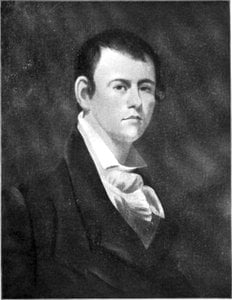
Matthew Harris Jouett
1788 - 1827 , United States of America
Stručné informace
- Artistic Movement Or Style: Romantic Impressionism and Neoclassical
- Artists Who Influenced This Artist:
- Gilbert Stuart
- Claude Lorrain
- Nicolas Poussin
- Full Name: Matthew Harris Jouett
- Nationality: American
- Notable Artworks:
- John Grimes
- Peter Grayson
- Place Of Birth: Mercer County, United States of America
- Date Of Birth: 1788
- Date Of Death: 1827