


 Zobrazit v interiéru
 Odeslat
 Sdílet
 Podrobnosti
 Průvodce

 Stáhnout obrázek
 Podobné kousky
 Rentgenové snímky
 Slideshow
 Statistiky
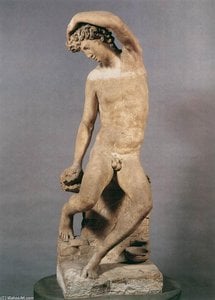
St sebastian

 Přečíst si více
Zakupte si digitální obraz ve vysokém rozlišení a vylepšeném provedení, který nabízí mnohem vyšší kvalitu než online náhled.
Každý soubor je pečlivě připraven našimi specialisty s využitím pokročilých nástrojů a odborné manuální retuše. Zajišťujeme, aby každý obraz disponoval výjimečnou ostrostí, přesnou barevnou věrností a jemnými detaily.
Finální soubor vám bude do 72 hodin zaslán e-mailem, optimalizovaný pro okamžité použití v profesionálním, redakčním i tiskovém prostředí. Nabízíme stejnou kvalitu, které důvěřují špičková designová studia, nakladatelství i galerie.
Digitální obrazy
Stáhněte si soubor ve vysokém rozlišení pro osobní prohlížení, tisk a kreativní projekty. ( Přepnout na tiskové verze Objednat ručně malovanou reprodukci)
Součást každé objednávky digitálního obrazu
Exponenciální digitální doručení, zaručené
Když si vyberete ArtsDot.com, nezískáváte pouze obrázek – získáváte digitální umělecké dílo s profesionálně vylepšenými detaily, zpracované s precizností a podpořené zárukou za spokojenost. Zde je vše, co vaše objednávka automaticky obsahuje:

Bleskové doručení e-mailem
Váš digitální obraz ve vysokém rozlišení vám bude zaslán e-mailem do 72 hodin od objednávky – připraven k okamžitému použití.

Digitální soubor s podporou AI
Vaše umělecké dílo je profesionálně optimalizováno pomocí pokročilých nástrojů umělé inteligence a manuální úpravy, což zajišťuje maximální úroveň detailu, ostrosti a přesnosti barev.

Doživotní bezplatné znovuodeslání
Soubor jste omylem smazali nebo ztratili? Žádný problém – kdykoliv vám ho znovu zašleme zcela zdarma.

Bez poplatků za dovoz – navždy
Užijte si své umělecké dílo okamžitě bez celních poplatků, daní nebo nákladů na dopravu – digitální stažení je vždy bez daňových povinností.

Záruka přesnosti barev
Díky profesionálním nástrojům a správě barev zajišťujeme, aby váš digitální obraz odrážel původní barvy co nejvěrněji.

100dená záruka spokojenosti
Pokud nebudete s digitálním obrázkem spokojeni, provedeme jeho revizi nebo vám vrátíme 100% platby do 100 dnů – bez jakýchkoliv dotazů.

100% záruka vrácení peněz
Nespokojeni? Získejte plnou náhradu peněz do 100 dnů od obdržení digitálního souboru – bez zbytečných dotazů.

Slevy při hromadných objednávkách
Při koupi 3 obrazů ušetříte 10% – Při koupi 5 obrazů ušetříte 15% – Při koupi 10+ obrazů ušetříte 20%. Ideální pro kreativní projekty, galerie a agentury.
Související díla



Biografie umělce
The Renaissance Spirit of Lucca: The Life of Matteo Civitale
In the heart of the Italian Renaissance, amidst the burgeoning cultural dynamism of Lucca, a singular talent emerged to bridge the worlds of stone and pigment. Matteo Civitale (c. 1436 – 1501) stands as a profound testament to the multifaceted artistic spirit of his era. While historical records suggest a life of surprising transitions—with some accounts even suggesting he practiced as a surgeon before dedicating himself fully to the chisel—his legacy is indelibly etched into the marble and wood of the Tuscan landscape. Born in Lucca on June 5, 1436, Civitale became a leading artistic personality of the Early Renaissance, embodying the humanist ideal of the polymath who masters both the physical and the aesthetic realms.
His formative years were shaped by the rigorous traditions of his hometown, yet his vision was expanded through essential training in Florence. It was there that he encountered the transformative styles of Antonio Rossellino and Mino da Fiesole, masters whose delicate handling of form and classical grace would deeply inform his mature style. This exposure to Florentine innovation allowed Civitale to infuse his work with a sophisticated elegance that transcended local boundaries, blending the sturdy traditions of Lucchese craftsmanship with the burgeoning anatomical precision and classical revival sweeping through Italy.
A Mastery of Form: Sculpture and the Human Soul
Civitale’s true renown rests upon his extraordinary ability to breathe life into inanimate matter. As a sculptor, he was perhaps the most significant marble artist working outside of Florence during the latter half of the fifteenth century. His work is characterized by a remarkable textural detail and an ability to capture the profound emotional depth of his subjects. One of his most poignant achievements is the wooden sculpture of St. Sebastian, currently housed in the Palermo Cathedral. This piece exemplifies his mastery of carving, utilizing painstaking techniques to create a sense of physical presence and spiritual vulnerability. The figure reflects the influence of Flemish sculptural traditions, where meticulous detail serves to heighten the viewer's emotional connection to the divine.
Beyond the monumental, Civitale possessed a keen eye for the subtle nuances of human expression. His sculptures often reflect the humanist preoccupation with moral virtue and spiritual contemplation. Whether working in the enduring strength of marble or the warmer, more organic medium of wood, his hands sought to translate the complexities of the human condition into permanent form. This dedication to capturing the essence of his subjects—be they saints or civic patrons—ensured that his work functioned not merely as decoration, but as a profound dialogue between the earthly and the eternal.
The Elusive Brush: Painting and Architectural Legacy
While history primarily remembers him as a master of sculpture, Civitale’s artistic reach extended into the delicate realms of painting and even engineering. His painting career, though more elusive and often collaborative, reveals an artist capable of great versatility. The discovery of historical contracts has illuminated his work on altarpieces, such as the triptych for the church of San Michele di Antraccoli, where he worked alongside the Florentine painter Baldassarre di Biagio. In works like the Madonna and Child with Saints, one can observe a profound reverence for the masters of the past; his painted figures often echo the iconic strength of Donatello’s sculptures, showcasing a seamless integration of his sculptural sensibilities into the medium of oil and tempera.
The breadth of Civitale's contribution to the Renaissance cannot be measured by a single medium alone. His intellect and technical skill led him to engage with architecture and engineering, further cementing his role as a vital figure in the reconstruction of the classical world. His life’s work represents a harmonious convergence of several key artistic elements:
- Versatility: The rare ability to move between the heavy demands of marble carving and the delicate precision of portrait painting.
- Humanism: A dedication to portraying the dignity, emotion, and spiritual depth of the human figure.
- Cultural Synthesis: The blending of local Lucchese traditions with the high-style innovations of Florentine masters.
- Enduring Legacy: A body of work that remains a cornerstone of Early Renaissance art in Italy.
Ultimately, Matteo Civitale was more than a craftsman; he was an architect of the Renaissance spirit. Through his hands, the stone became flesh, and the wood became a vessel for the divine, leaving behind a legacy that continues to inspire awe in all who encounter the quiet strength of his creations.

matteo civitale
1436 - 1501 , Italy
Rychlé informace
- Artistic Movement Or Style: Renaissance
- Date Of Birth: Lucca, Italy (1436)
- Date Of Death: 1501
- Full Name: Matteo Civitale
- Nationality: Italian
- Notable Artworks:
- St Sebastian
- Untitled
- Place Of Birth: Lucca