


 Zobrazit v interiéru
 Odeslat
 Sdílet
 Podrobnosti
 Průvodce

 Stáhnout obrázek
 Podobné kousky
 Rentgenové snímky
 Slideshow
 Statistiky
Skulls


 Přečíst si více
Umělecké dílo zobrazené na této stránce je chráněno autorským zákonem, což znamená, že nemůžeme legálně vytvářet ani prodávat jeho identickou reprodukci. Tato ochrana je vymáhána na základě mezinárodních dohod, jako například Berberská úmluva a národními zákony, včetně těch stanovených v Americký autorský zákon – Díl 17. Všechna práva vyhrazena.
Tato metoda je plně v souladu s autorským právem, protože nezahrnuje kopírování ani duplikování chráněného díla. Jde o kreativní reinterpretaci – nový obraz, který je inspirován originálem, ale není s ním identický.
Giclée / Umělecký tisk
Giclée nebo plátěný tisk muzeální kvality s rychlou výrobou a širokou nabídkou povrchových úprav. ( Objednat ručně malovanou reprodukci Přepnout na digitální verzi obrazu)




P118B Kč10

P118H Kč10

P118W Kč10

P438Z Kč10

P508JH Kč12

P508YH Kč12

P805H Kč10

P805Z Kč10

P919BZ Kč10

P919G Kč10

P919XJ Kč10

P959ZH Kč10

P968JZ Kč12

W106C Kč8

W218G Kč10

W218JH Kč8

W218Y Kč10

W307PJ Kč10

W316G Kč10

W316PJ Kč8

W316Y Kč10

W398PJ Kč8

W4111J Kč10

W500HY Kč15

W500JH Kč15

W692G Kč12

W849H Kč8

W940BG Kč15

W953PJ Kč8




Vyberte si z našich přednastavených velikostí, které odpovídají původním proporcím díla.

Zadejte šířku a výšku, které potřebujete pro váš rám nebo stěnu. Tisk lze pouze oříznout, nikdy však nelze zvětšit obraz nad jeho původní rozměr, proto při výběru jiného formátu dochází ke ztrátě části obrazu. Před samotným tiskem vám zašleme digitální náhled k schválení. Obraz zobrazený na této stránce nenabízí skutečný výřez — ten uvidíte pouze v náhledu.
Celosvětové doručení () do 2 týdnů namísto standardních 4/5 týdnů. (21 říjen)

Zdarma celosvětová expresní doprava

Vysoce kvalitní lněné plátno

Úplné pojištění přepravy

Záruka vrácení celního poplatku

Záruka věrného barevného shodu

100dení lhůta pro vrácení zboží (pouze při vadách výroby)

100% garance vrácení peněz

Sleva při více objednávkách
 Skleněná varianta je dostupná pouze u rozměrů menších než 110 cm

Skulls
Giclée / Umělecký tisk
Velikost reprodukce
-


Celková cena
Kč 1318
Marlene Dumas: Confronting Mortality Through Fragmented Portraits
Marlene Dumas’s paintings stand apart in contemporary art—not merely for their aesthetic qualities but for the profound emotional resonance they evoke. Born in Cape Town, South Africa, in 1953, Dumas’s artistic vision is inextricably linked to her formative experiences amidst the turbulent landscape of apartheid, an encounter that instilled within her a deep understanding of social injustice and the complexities inherent in human identity.
Her upbringing on her father’s vineyard offered glimpses into both beauty and hardship—a duality that would permeate her oeuvre. Observing firsthand the divisions and inequalities shaping South African society during those years fueled her desire to explore themes of race, sexuality, and vulnerability through art. Dumas honed her skills at the University of Cape Town before relocating to Amsterdam, where she pursued studies in painting and psychology simultaneously.
This dual pursuit provided a crucial foundation for her artistic practice, fostering an intellectual curiosity that complemented her intuitive sensitivity to visual form. Dumas’s method is characterized by a deliberate rejection of traditional techniques—she eschews meticulous detail, favoring instead loose brushstrokes and washes of pigment that prioritize atmosphere and emotion over precise representation.
Her subjects are drawn from a private archive of photographs, encompassing an astonishing array of figures: children, pornographic nudes, corpses, torture victims, and terrorists. This selection reflects Dumas’s unwavering commitment to confronting uncomfortable truths about human experience—a boldness that aligns her work with the broader trajectory of the Pictures Generation and photography's expanding influence on artistic expression.
Crucially, Dumas doesn’t merely reproduce images; she transforms them, reclaiming corporeality from their photographic origins. Her paintings disrupt the source material they derive from, mirroring the fragmented nature of memory and perception. The resulting compositions often explore eroticism—ranging from explicit depictions of sexual acts to lyrical evocations of desire—demonstrating a willingness to grapple with taboo subjects.
Despite portraying scenes of death or brutality, Dumas’s intention isn't to shock but rather to reveal—to expose the vulnerability inherent in human existence and to challenge viewers to confront their own biases. Her recent works delve into pressing social issues, addressing legacies of apartheid and responding to pivotal historical moments like September 11th.
“Skulls,” created in 2015, exemplifies Dumas’s distinctive style—a series of portraits rendered in muted tones against stark white backgrounds. The skulls themselves are presented as individual objects on a wall, emphasizing their materiality and confronting viewers with the inevitability of mortality. The painting's simplicity underscores its emotional impact, inviting contemplation about loss, remembrance, and the enduring presence of death.
Currently housed at la Biennale di Venezia (Venice, Italy), “Skulls” stands as a testament to Dumas’s ability to distill complex ideas into visually arresting compositions. Its understated elegance speaks volumes about her artistic philosophy—a dedication to capturing fleeting moments of human emotion with unwavering honesty and sensitivity.
- Artist: Marlene Dumas
- Born Year: 1953
- Death Year: Living
- Birth City: Cape Town
- Birth Country: South Africa
Explore the captivating beauty and poignant reflection of Marlene Dumas’s “Skulls” – a masterpiece that embodies her signature style and confronts viewers with profound questions about life, death, and human experience.
Otázky a odpovědi
Jak sytá je paleta díla "Skulls"?
Dílo „Skulls“ od Marlene Dumasová je zachyceno s Muted saturací.
Využívá „Skulls“ od Marlene Dumasová výrazné kontrasty, nebo jemné harmonie?
V díle "Skulls" je Gentle kontrast spojen s Strong Color Unity harmonií.
K kterému uměleckému směru patří „Skulls“ od Marlene Dumasová?
Dílo „Skulls“ od Marlene Dumasová patří k období směru Contemporary Realism. Tento směr poskytuje dílu jeho stylistický kontext.
Související díla


Biografie umělce
A Life Shaped by Landscape and Sociopolitical Currents
Marlene Dumas, born in 1953 in Cape Town, South Africa, is a painter whose work resonates with an emotional depth rarely encountered in contemporary art. Her upbringing amidst the stark realities of apartheid profoundly shaped her artistic vision, instilling within her a keen awareness of social injustice and the complexities of human identity. Growing up on her father’s vineyard in Kuils River, she witnessed firsthand the divisions and inequalities that defined South African society during those years—a landscape both beautiful and burdened by history. This early exposure to a fractured world would become a recurring theme throughout her career, informing her exploration of race, sexuality, and the psychological weight of existence. Dumas’s formal artistic journey began at the University of Cape Town in 1972, where she pursued a Bachelor of Fine Arts degree alongside studies in ethics. This combination proved crucial, laying the groundwork for an art practice deeply concerned with moral questions and the human condition. She later continued her education at Ateliers ’63 in Haarlem, Netherlands, relocating to Amsterdam in 1976—a move that marked a significant shift in both her geographical location and artistic perspective. Further academic pursuits in psychology at the University of Amsterdam between 1979-1980 would further refine her ability to portray inner states with remarkable sensitivity.The Evolution of a Distinctive Style
Dumas’s artistic development has been characterized by a constant questioning of representation and a willingness to confront difficult subjects. Her early work directly addressed the political climate of apartheid, reflecting her identity as a white woman grappling with the moral implications of living within a system of racial segregation. However, she quickly moved beyond purely political statements, delving into more universal themes of human vulnerability, desire, and loss. Influenced by the emotional intensity of Romanticism—particularly artists like Egon Schiele and Francis Bacon—Dumas developed a distinctive style marked by loose brushstrokes, distorted figures, and an evocative use of color. She often begins her paintings with source material gathered from diverse origins: Polaroid photographs, magazine clippings, even pornographic imagery. These images are not simply copied but rather serve as starting points for explorations of feeling and memory. Her technique is notable for its layering—a wet-on-wet approach that builds depth and texture through the interplay of thin and thick paint. This creates a sense of fluidity and ambiguity, mirroring the complexities of the emotions she seeks to convey. The resulting images are often hauntingly beautiful, simultaneously alluring and unsettling.Themes of Identity, Sexuality, and the Human Condition
At the heart of Dumas’s work lies an unwavering commitment to exploring the intricacies of human experience. Her subjects range widely—from portraits of friends and lovers to depictions of children, strippers, and figures drawn from popular culture. However, these are never mere representations; they are vehicles for investigating deeper psychological states. Race, sexuality, identity, violence, guilt, innocence – these are all recurring themes in her oeuvre, approached with a rare degree of honesty and nuance. Dumas’s paintings often challenge conventional notions of beauty and desirability, exposing the vulnerabilities and contradictions inherent in human relationships. She is particularly interested in the ways in which bodies are constructed and perceived—how they become sites of both pleasure and pain, power and oppression. Her work frequently engages with issues of representation, questioning who has the right to look at whom and what implications arise from that gaze. This critical perspective extends to her own artistic practice, as she acknowledges the inherent limitations and ethical challenges of portraying others.Recognition and Lasting Impact
Marlene Dumas’s contributions to contemporary art have been widely recognized through numerous exhibitions and accolades. A significant milestone was her first major American museum exhibition, “Measuring Your Own Grave,” which opened at the Museum of Contemporary Art, Los Angeles in 2008 and subsequently traveled to the Museum of Modern Art, New York City. This retrospective solidified her position as a leading figure in contemporary painting. Her market success has also been remarkable; in 2004, *Jule-die Vrou* (1985) sold for over $1 million, establishing her as one of only three living female artists to achieve such a price point at the time. More recently, *The Schoolboys* (1986–87) reached an astounding $9 million at Art Basel Miami Beach in 2023, and *Miss January* (1997) shattered records in May 2025 at Christie’s—a new high for a living female artist. Represented by the prestigious David Zwirner Gallery since 2008, Dumas continues to exhibit internationally and inspire a new generation of artists. Her influence extends beyond the realm of painting; she has challenged conventional notions of portraiture and encouraged a more critical engagement with social and political issues within art. Dumas’s legacy lies in her ability to create works that are both deeply personal and universally resonant—paintings that confront us with our own vulnerabilities, desires, and prejudices.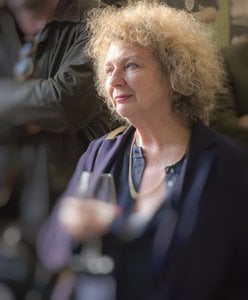
Marlene Dumasová
1953 - , Jižní Afrika
Rychlé informace
- Artistic Movement Or Style: Romanticismus, Figurativní malba
- Artists Who Influenced This Artist:
- Egon Schiele
- Francis Bacon
- Date Of Birth: 1953
- Full Name: Marlene Dumasová
- Nationality: Jižní Afrika
- Notable Artworks:
- Učitelka
- Untitled (681)
- Untitled (830)
- Jule-die Vrou
- The Schoolboys
- Place Of Birth: Kapské Město
Související články

Top 10 olejů na plátně, které změnily svět umění | ArtsDot.cz
Objevte 10 legendárních olejů na plátně od Van Gogha, Moneta a Rembrandta. Ponořte se do příběhů mistrovských děl a inspirujte se pro váš interiér s reprodukcemi nejvyšší kvality. Prozkoumejte celou kolekci online na ArtsDot.com!

The Enduring Legacy of Oil on Canvas: Technique, History & Aesthetic Impact
Explore the rich history & techniques of oil painting – from Renaissance masters to Impressionism. Discover pigments, layering methods, and why this timeless medium endures. Expert insights for artists & art enthusiasts.

Oil on Canvas: A Historical & Technical Exploration of a Timeless Artistic Medium
Explore the rich history & enduring techniques of oil painting on canvas. Discover the science behind its longevity, conservation practices, and contemporary relevance. Expert insights for art enthusiasts.

The Enduring Power of Painting: A Historical & Contemporary Exploration of Form and Emotion
Explore the rich history & enduring techniques of oil painting with ArtsDot. Discover masterpieces, learn about art collecting, and find authentic handmade reproductions crafted by skilled artists.

Trvalý odkaz olejomalby: Technika, historie a současná praxe
Prozkoumejte historii a techniky olejomalby s námi! Od středověku po současnost – detailní průvodce pro milovníky umění a profesionály. Objevte tajemství mistrů a inspirujte se.