

- 14.0 x 11.0 cm


Obraz odpovídá vašim volbám: , .
Popis sbírného předmětu
A captivating Surrealist sketch by Marc Chagall captures a figure adorned in a hat, embodying the artist's dreamlike vision from 1966—explore this evocative piece and bring its timeless beauty into your home.
 Zobrazit více
Biografie umělce
Poznejte klidnou krásu obrazu „Ležící básník“ Marca Chagalla – ikonického díla z roku 1915 kombinujícího kubismus a symbolismus. Objevte jeho tajemství a emoční hloubku!
Ručně malovaná olejová reprodukce
Rukou malované olejné plátno v libovolném rozměru i s rámem, vyrobené našimi umělci na zakázku. ( Přepnout na tisk Přepnout na digitální obraz)
Toto umělecké dílo je chráněno autorským právem
Umělecké dílo zobrazené na této stránce je chráněno autorským zákonem, což znamená, že nemůžeme legálně vytvářet ani prodávat jeho identickou reprodukci. Tato ochrana je vymáhána na základě mezinárodních dohod, jako například Berberská úmluva a národními zákony, včetně těch stanovených v Americký autorský zákon – Díl 17. Všechna práva vyhrazena.
Jako etická a právní alternativa nabízíme vlastní, ručně malovaná umělecká díla inspirovaná originálem. Naši zdatní a profesionální umělci si pečlivě studují styl, náladu a uměleckou podstatu originálu, aby vytvořili nové, jedinečné dílo, které vyvolává stejný pocit – přičemž zůstává samostatným originálním tvůrčím dílem.
Tato metoda je plně v souladu s autorským právem, protože nezahrnuje kopírování ani duplikování chráněného díla. Jde o kreativní reinterpretaci – nový obraz, který je inspirován originálem, ale není s ním identický.
Více informací o tomto obrazu
 Náhled v interiéru
 Sdílet
 Sdílet
 Podrobnosti o díle
 Průvodce

 Stáhnout
 Podobné položky
 Rentgenové snímky
 Slideshow
 Otázky a odpovědi
 Statistiky
Objednejte si svůj obraz ve čtyřech jednoduchých krocích
Nespěchejte. Každou odpověď můžete změnit; cena v košíku se bude přizpůsobovat každé vaší volbě.
1 První krok ze čtyř
Jakou velikost si přejete?
Tyto velikosti zachovávají proporce původního obrazu. Návrh ukazuje vaši volbu na stěně nad dvumetrovou pohovkou.
nebo zadejte vlastní rozměry
Vyberte si z našich přednastavených velikostí, které odpovídají původním proporcím díla.

Zadejte šířku a výšku, které potřebujete pro váš rám nebo stěnu. Protože se jedná o ruční malbu, při výběru jiného formátu může umělec kolem obrazu domalovat o něco více, nebo jej mírně oříznout — rozhodnete si vy. Před zahájením malby vám zašleme digitální náhled ke schválení. Obraz zobrazený na této stránce neodpovídá skutečnému výsledku — pouze digitální náhled jej zobrazuje.
2 Druhý krok ze čtyř
Jak by mělo být připraveno: srolované, na plátno natažené nebo v rámu?
Ceny níže platí pro rozměr, který jste si zvolili v prvním kroku.
Vyberte si okraje plátna
Vyberte si rámeček

Bílé okraje Kč1

Rozostřené okraje Kč1

Prodloužené okraje Kč1

P118B Kč10

P118H Kč10

P118W Kč10

P438Z Kč10

P508JH Kč12

P508YH Kč12

P805H Kč10

P805Z Kč10

P919BZ Kč10

P919G Kč10

P919XJ Kč10

P959ZH Kč10

P968JZ Kč12

W106C Kč8

W218G Kč10

W218JH Kč8

W218Y Kč10

W307PJ Kč10

W316G Kč10

W316PJ Kč8

W316Y Kč10

W398PJ Kč8

W4111J Kč10

W500HY Kč15

W500JH Kč15

W692G Kč12

W849H Kč8

W940BG Kč15

W953PJ Kč8

H24-GOLD Kč30

H24-SILVER Kč30

H36-GOLD Kč45

H36-SILVER Kč45
V rámu
Profil: . Celkové rozměry včetně rámu: .
3 Třetí krok ze čtyř
Přejete si v malbě něco změnit?
Většina lidí odpoví ne. Protože každý obraz je vytvořen ručně, náš umělec jej pro vás může také upravit.
Po přijetí objednávky vám tým ArtsDot.com pošle e-mail s instrukcemi a poskytne náhled návrhu
4 Čtvrtý krok ze čtyř
Několik možností provedení
Všechny jsou volitelné. Již zvolené odpovědi nesepisují žádné dodatečné náklady.
Kdo je autor?
Celosvětová doprava () za 3–4 týdny namísto standardních 5 týdnů. (4 listopad). Bez kompromisů v kvalitě.
Štítek jako v muzeu?
Detaily ryté bronzové plakety
This elegant plaque features the artist's name and the title of the artwork, finely engraved for a timeless presentation.
It is made from bronze with a refined, elegant finish. The text is precisely laser-engraved for a sharp and permanent result. Measuring 9x2 cm, the plaque is compact yet easy to read. It's built to be durable and scratch-resistant, offering a professional, museum-quality look. Mounting is simple thanks to the included adhesive backing.
Detaily průhledné akrylové desky
The plaque includes essential engraved details such as the artist's name, the title of the artwork, the date it was created, the type of media used-like oil on canvas or watercolor-a brief description of the piece, and a QR code that links to the complete artwork information.
It is crafted from clear acrylic, offering a sleek, modern appearance. The text is UV-engraved in black to ensure strong visual contrast. With a size of 10x15 cm, it ensures optimal readability. It comes equipped with two metal hooks for secure wall mounting. The plaque is designed to be weather-resistant, making it suitable for various environments, and it includes interactive features that work seamlessly with smartphone scanning.
Detaily černé akrylové destičky
This elegant plaque includes engraved information such as the artist's name, the title of the artwork, the date it was created, the type of media used (like oil on canvas or watercolor), a short description of the artwork, and a QR code for quick access to more information.
The plaque itself is made from refined black acrylic with a premium finish. The text is laser-engraved in white for high contrast and readability. Its size is 10x15 cm, designed to be easy to read. It comes with two metal hooks for professional mounting. The design is sleek and fits any interior style. It is also weather-resistant and durable, with built-in digital integration for mobile compatibility.
Ochranný lak?
Kdy jej potřebujete?
✓ Kontrola a objednávka
Váš obraz přesně podle objednávky

Study to ''Exodus''
Technika reprodukce
Rozměry reprodukce
-

Vybraní mistři umění
Vyšší míra detailu, jemnosti a delší doba výroby
-

Možnosti rámování reprodukcí
-
-
U děl nebo reprodukcí, u nichž je jakákoliv strana větší než 105 cm (přibližně 41 palců), bude rám dodán jako sestava v rozloženém stavu. Tato metoda zajišťuje bezpečné doručení a chrání dílo před poškozením během přepravy.
Vyžaduje se odborná montáž – nejedná se o produkt pro svépomocnou realizaci (DIY).
Sestava musí být složena a plátno napnuto zkušeným profesionálním rámovačem s použitím dřevěného lepidla (není součástí balení), kleští na napínání plátna a svorek pro udržení pravých úhlů křížů během schnutí lepidla. Nesprávná montáž nebo nerovnoměrné napnutí plátna může způsobit trvalé poškození uměleckého díla, které není kryto naší zárukou.
 U děl nebo reprodukcí, u nichž je jakákoliv strana větší než 105 cm (přibližně 41 palců), bude rám dodán jako sestava v rozloženém stavu. Tato metoda zajišťuje bezpečné doručení a chrání dílo před poškozením během přepravy.
Jsou zahrnuty všechny lišty z masivního dřeva, přesně na míru nařezané.
Sestavuje se pomocí součástí balení (šroubů), plus dřevěného lepidla na rohové spoje, které není součástí balení a musí jej zajistit váš rámovač.
Vyžaduje se profesionální nářadí, které není součástí sady: kleště na napínání plátna a svorky pro udržení kolmosti příček během schnutí lepidla.
Důležité:
Spoje v rozích vyžadují lepidlo na dřevo, tyčinky musí být přichyceny pomocí svorek, dokud lepidlo zcela neuschne, a pro napnutí plátna na sestavený rám je zapotřebí kleští na natahování plátna. Žádný z těchto náčiní není součástí sady. Před objednáním této velikosti prosím zajistěte zkušeného profesionálního rámovače.

Popisek díla
-
-

Ochranný lak
Lesklý lak (zvýrazňuje barvy, chrání před světlem a vlhkostí)
-

Přizpůsobit své umělecké dílo
Příklady možných úprav: nahrazení obličeje fotografií zákazníka; přidání domácího mazlíčka (např. výměna kočky za psa); vložení skrytého vzkazu do pozadí; změna krajiny nebo prvků v pozadí.
-

Prioritní doručení
Celosvětové doručení () za 3–4 týdny namísto standardních 5 týdnů. (4 listopad). Bez kompromisů v kvalitě.
-
Expresní doručení
Celosvětová doprava () do 5 týdnů. (11 listopad).
V ceně
Celková cena za vybrané možnosti reprodukcí
Kč 5735
Skleněná varianta je dostupná pouze u rozměrů menších než 110 cm
Součást každé objednávky
- Zdarma celosvětová expresní doprava
- Vysoce kvalitní lněné plátno
- Kompletní pojištění přepravy
- Záruka vrácení celního poplatku
- Záruka věrného barevného souladu
- 100dení lhůta pro vrácení zboží (pouze při vadách výroby)
- 100% záruka vrácení peněz
- Sleva při více objednávkách


A Fragment of Exodus: Exploring Chagall’s Intimate Vision
Marc Chagall's “Study to ‘Exodus’” offers a glimpse into the artist’s creative process and embodies his signature Surrealist style—a realm where dreamlike imagery intertwines with recognizable forms, creating an arresting visual experience. Executed in 1966, this sketch represents not merely a depiction of a person but a distillation of Chagall's enduring fascination with biblical narratives and the profound influence of Jewish folklore.
Style and Technique: Surrealist Reverie
- Chagall’s approach to painting—and sketching—was characterized by an almost childlike spontaneity, prioritizing emotion over precise representation. He employed bold colors and flattened perspectives, rejecting academic conventions in favor of a visual language that prioritized feeling.
- The drawing utilizes loose lines and expressive shading to convey movement and atmosphere. Notice the deliberate blurring of edges, contributing to the overall impression of dreamlike abstraction—a hallmark of Surrealism.
- Chagall’s technique involved layering colors on canvas with thick impasto strokes, creating textured surfaces that capture the vibrancy of memory and imagination.
Historical Context: Vitebsk's Echoes
Born in Vitebsk, Belarus—a town steeped in Orthodox Christian tradition yet vibrant with Jewish cultural life—Chagall’s artistic sensibility was profoundly shaped by this duality. The sketch reflects the artist’s preoccupation with themes of displacement and longing, mirroring the experiences of many Jewish emigrants during his lifetime.
Symbolism: Faces Within Landscapes
The prominent figure in “Study to ‘Exodus’” is rendered with a striking oversized nose—a recurring motif in Chagall's oeuvre. This deliberate exaggeration serves as a visual shorthand for vulnerability and perhaps hints at the artist’s own anxieties about identity and belonging. Furthermore, the background sketch incorporates elements of landscape—likely referencing Vitebsk—suggesting that Chagall sought to capture not just a physical place but also its emotional essence.
Emotional Impact: A Window into Chagall's Soul
"Study to ‘Exodus’” transcends mere visual depiction; it’s an invitation to contemplate the complexities of human experience and the transformative power of artistic imagination. Like many of Chagall’s works, this sketch evokes a sense of melancholy beauty—a poignant reminder that art can communicate truths beyond words, resonating with viewers on a deeply personal level.
Otázky a odpovědi
Jaké umístění se hodí k formátu díla „Study to ''Exodus''“ od Marc Chagall?
Formát Portrait díla „Study to ''Exodus''“ od Marc Chagall doporučujeme pro Living Room. Formát i prostor společně určují ideální umístění reprodukce.
V jaké orientaci je dílo „Study to ''Exodus''“ od Marc Chagall?
Dílo „Study to ''Exodus''“ od Marc Chagall má formát Portrait. Tento formát určuje poměry kompozice.
Jak lze využít dílo „Study to ''Exodus''“ od Marc Chagall při dekorování interiéru?
Pro dílo „Study to ''Exodus''“ od Marc Chagall jsou uvedena dvě doporučení pro použití (Accent) a prostor (Living Room).
Podobná díla


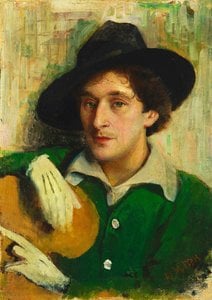
Marc Chagall
1887 - 1985, Belorusko
Biografie umělce
A Life Painted in Dreams: The World of Marc Chagall
Marc Chagall, born Moishe Shagal in 1887 in the small Belarussian town of Liozna near Vitebsk, wasn’t merely a painter; he was a poet of color, a weaver of dreams, and a chronicler of memory. His life, spanning nearly a century, mirrored the tumultuous currents of the 20th century, yet his art remained steadfastly rooted in a deeply personal vision—one infused with the folklore of his Hasidic Jewish upbringing and an unwavering belief in the power of imagination. Vitebsk itself was more than just a birthplace; it became the emotional core of his artistic universe, a recurring motif populated by flying figures, whimsical animals, and the vibrant hues of remembered landscapes. The town’s unique blend of cultures—Russian Orthodox churches alongside bustling Jewish marketplaces—forged an aesthetic sensibility that would defy easy categorization throughout his long career. Though he sought formal training first with a local sign painter and later in St. Petersburg under Léon Bakst, and then in Paris at the Académie de la Grande Chaumière, Chagall never fully embraced any single artistic movement. He absorbed elements of Cubism, Symbolism, and Fauvism, but always filtered them through his own intensely personal lens, creating a style that was uniquely, unmistakably Chagall.Early Years and Artistic Beginnings
Chagall’s formative years were marked by hardship and displacement. Born into a Jewish family in Vitebsk, he experienced the trauma of pogroms—violent anti-Jewish riots—which instilled in him a profound awareness of persecution and loss. Despite these challenges, Chagall possessed an innate talent for drawing and painting from a young age. He initially studied at Vitebsk Art School, where he honed his skills under Bakst’s guidance, experimenting with theatrical design alongside visual art. This early exposure to the stage would profoundly influence his later work, particularly his use of stylized figures and dramatic compositions. His artistic explorations continued in St. Petersburg, where he developed a distinctive style characterized by bold colors and expressive brushstrokes—a stylistic approach that foreshadowed his groundbreaking achievements to come.The Symbolist Influence and Early Paintings
Chagall’s artistic development was significantly shaped by the Symbolist movement, which championed emotion and imagination over realistic representation. Artists like Gustave Moreau and Edvard Munch served as important inspirations, encouraging him to delve into psychological landscapes and explore themes of spirituality and mythology. His early paintings—such as *I and the Village* (1911)—demonstrate this influence vividly. The village isn’t rendered realistically but as a fragmented collection of recollections, imbued with symbolic meaning. Recurring motifs like birds, apples, and windows reflect Chagall's preoccupation with themes of flight, fertility, and transcendence—concepts central to Jewish mysticism and folklore. These images are not merely decorative; they convey profound emotional resonance, capturing the essence of memory and experience.Cubism and Surrealism: Bridging Formal Movements
While Chagall resisted categorization into any single artistic movement, he skillfully incorporated elements of Cubism and Surrealism into his oeuvre. He embraced Picasso’s pioneering approach to fractured perspectives and geometric abstraction, adapting it to his own expressive style. Simultaneously, he explored the dreamlike imagery and irrational juxtapositions characteristic of Surrealist art—influenced by artists like Dalí and Magritte. This fusion of styles resulted in canvases that defy conventional logic while retaining a palpable sense of emotional intensity. Works like *Over Vitebsk* (1920-1922) exemplify this synthesis, presenting a fantastical depiction of his hometown bathed in luminous colors—a testament to Chagall’s ability to transform personal experience into universal themes.Mature Years and International Recognition
The 1930s witnessed Chagall's ascent to international fame. He established himself as a celebrated artist in Paris, where he continued to produce monumental paintings that captivated audiences worldwide. The outbreak of World War II forced him to flee occupied France for the United States, seeking refuge in New York City—a period marked by profound emotional upheaval and artistic experimentation. During his time in America, Chagall created some of his most iconic works, including *White Crucifixion* (1938), a haunting meditation on suffering and faith that powerfully captured the anxieties of the era. He returned to France after the war, receiving numerous prestigious commissions—including the ceiling of the Paris Opera—and cementing his legacy as one of the greatest artists of the 20th century. His stained glass windows for Jerusalem’s Hadassah Hebrew University Medical Center synagogue stand as a testament to his enduring vision and artistic prowess. Chagall's influence on subsequent generations of artists is undeniable; he bridged the gap between European modernism and Jewish cultural identity, becoming known as “the quintessential Jewish artist of the twentieth century.” His ability to synthesize personal experience, folklore, and universal themes continues to resonate with audiences worldwide. He left behind a body of work that is both deeply personal and universally accessible, inviting viewers to lose themselves in a world painted with dreams and illuminated by hope.


Související články
Dreamscapes & Disrupted Realities: Exploring Surrealism's Enduring Influence
Explore the fascinating world of Surrealism! Discover its origins, key artists like Dalí & Magritte, and enduring influence on art & culture. Expert insights & high-quality reproductions at ArtsDot.

Pop Surrealism: A Collision of Culture, Dreams & the Subconscious in Post-War Art
Explore the captivating world of Pop Surrealism with ArtsDot. Discover key artists like George Condo & Robert Williams, investment potential, and the movement's cultural impact. Expert insights for collectors.

Salvador Dalí: Top 25 děl geniálního surrealisty pro váš interiér | ArtsDot
Prozkoumejte 25 ikonických děl Salvadora Dalí – od slavných obrazů po surrealistické krajiny. Objevte příběhy, techniky a inspiraci geniálního umělce. Reprodukce obrazů v nejvyšší kvalitě na ArtsDot.com.