


 Zobrazit v interiéru
 Odeslat
 Sdílet
 Podrobnosti
 Průvodce

 Stáhnout obrázek
 Podobné kousky
 Rentgenové snímky
 Slideshow
 Statistiky
Entrelaçamento


 Přečíst si více
Umělecké dílo zobrazené na této stránce je chráněno autorským zákonem, což znamená, že nemůžeme legálně vytvářet ani prodávat jeho identickou reprodukci. Tato ochrana je vymáhána na základě mezinárodních dohod, jako například Berberská úmluva a národními zákony, včetně těch stanovených v Americký autorský zákon – Díl 17. Všechna práva vyhrazena.
Tato metoda je plně v souladu s autorským právem, protože nezahrnuje kopírování ani duplikování chráněného díla. Jde o kreativní reinterpretaci – nový obraz, který je inspirován originálem, ale není s ním identický.
Giclée / Umělecký tisk
Giclée nebo plátěný tisk muzeální kvality s rychlou výrobou a širokou nabídkou povrchových úprav. ( Objednat ručně malovanou reprodukci Přepnout na digitální verzi obrazu)




P118B Kč10

P118H Kč10

P118W Kč10

P438Z Kč10

P508JH Kč12

P508YH Kč12

P805H Kč10

P805Z Kč10

P919BZ Kč10

P919G Kč10

P919XJ Kč10

P959ZH Kč10

P968JZ Kč12

W106C Kč8

W218G Kč10

W218JH Kč8

W218Y Kč10

W307PJ Kč10

W316G Kč10

W316PJ Kč8

W316Y Kč10

W398PJ Kč8

W4111J Kč10

W500HY Kč15

W500JH Kč15

W692G Kč12

W849H Kč8

W940BG Kč15

W953PJ Kč8




Vyberte si z našich přednastavených velikostí, které odpovídají původním proporcím díla.

Zadejte šířku a výšku, které potřebujete pro váš rám nebo stěnu. Tisk lze pouze oříznout, nikdy však nelze zvětšit obraz nad jeho původní rozměr, proto při výběru jiného formátu dochází ke ztrátě části obrazu. Před samotným tiskem vám zašleme digitální náhled k schválení. Obraz zobrazený na této stránce nenabízí skutečný výřez — ten uvidíte pouze v náhledu.
Celosvětové doručení () do 2 týdnů namísto standardních 4/5 týdnů. (21 říjen)

Zdarma celosvětová expresní doprava

Vysoce kvalitní lněné plátno

Úplné pojištění přepravy

Záruka vrácení celního poplatku

Záruka věrného barevného shodu

100dení lhůta pro vrácení zboží (pouze při vadách výroby)

100% garance vrácení peněz

Sleva při více objednávkách
 Skleněná varianta je dostupná pouze u rozměrů menších než 110 cm

Entrelaçamento
Giclée / Umělecký tisk
Velikost reprodukce
-


Celková cena
Kč 1318
A Tapestry of Motion: The Vibrant World of Entrelaçamento
In the mesmerizing realm of contemporary Brazilian art, few works capture the eye with such immediate, rhythmic vitality as Entrelaçamento. Created in 2003 by the esteemed Leda Catunda, this piece serves as a breathtaking exploration of interconnectedness and organic movement. At first glance, the viewer is swept into a kaleidoscopic dance where form and color collide. The composition is anchored by a magnificent, winding red serpent that snakes through the canvas, acting as a crimson thread that binds the entire ecosystem together. This central figure does not merely exist within the space; it defines it, carving paths through a dense thick and intricate arrangement of smaller serpents and avian visitors. It is a visual symphony where every curve and coil contributes to a larger, breathing whole.
The brilliance of Catunda’s technique lies in her ability to transform a flat surface into a multidimensional experience. While her broader body of work is celebrated for its "soft paintings" on unconventional textiles like velvet and silk, Entrelaçamento showcases her mastery over pattern and chromatic depth. The painting utilizes a vibrant palette that balances the heat of the primary red with a diverse array of secondary tones, creating a sense of layered complexity. The birds, scattered strategically across the upper reaches and lower corners, provide essential points of repose amidst the serpentine energy, guiding the eye in a continuous loop around the canvas. This deliberate placement creates a dynamic tension, ensuring that the viewer’s gaze is never static but always traveling.
Symbolism and the Art of Connection
Beyond its surface beauty, Entrelaçamento invites deep contemplation regarding the nature of life and the cycles of existence. The title itself—meaning "intertwining" or "interlacing"—serves as a profound metaphor for the biological and emotional webs we inhabit. The serpent, often a symbol of transformation, rebirth, and even danger, is here stripped of its predatory menace and reimagined as a structural element of beauty. By weaving these creatures together with birds, Catunda suggests a world where disparate elements are inextricably linked. This theme of interconnectedness resonates deeply in our modern era, offering a sense of unity and ecological harmony that is both soothing and intellectually stimulating.
For the discerning collector or interior designer, this artwork offers more than just aesthetic pleasure; it provides a focal point of profound emotional resonance. The piece possesses an inherent warmth and energy that can breathe life into a sophisticated gallery space or add a layer of cultured complexity to a contemporary living room. As a high-quality reproduction, Entrelaçamento allows the intricate details of Catunda’s vision—the way the light seems to catch on every scale and feather—to become a permanent part of your environment. It is an invitation to lose oneself in a world of color, a testament to the enduring power of movement, and a masterful celebration of the beautiful complexity of our shared reality.
Otázky a odpovědi
Obsahuje "Entrelaçamento" výrazné světlonápadové kontrasty?
„Entrelaçamento“ od Leda Catunda Serra vykazuje Statement kontrast mezi světlými a tmavými částmi.
Jaká barevná paleta je použita v díle „Entrelaçamento“ od Leda Catunda Serra?
Dílo „Entrelaçamento“ od Leda Catunda Serra využívá Earthy barevnou paletu. Tato paleta shrnuje celkový barevný charakter díla.
Kde najdu průvodce k dílu "Entrelaçamento"?
Stránka Průvodce díla „Entrelaçamento“ od Leda Catunda Serra nabízí tištěný dvoulistový informační list: samotné umělecké dílo s identifikační tabulkou, časovou osu situující dílo do období života umělce, další díla daného autora, naměřenou barevnou paletu a citace ve čtyřech stylech připravené pro okamžité zkopírování.
Související díla


Biografie umělce
Early Life and Education
- Born: São Paulo, Brazil (1961)
- Leda Catunda Serra, known as Leda Catunda, was born in 1961 in São Paulo, Brazil.
- She initially aspired to be a rock musician before dedicating herself to visual arts.
- Catunda studied visual arts at Fundação Armando Álvares Penteado (FAAP).
- During her studies, she was influenced by prominent artists such as Regina Silveira, Nelson Leirner, and Julio Plaza.
Artistic Style and Development
- "Soft Paintings": Catunda is renowned for her "soft paintings," created on unconventional materials like towels, bedclothes, leather, velvet, and silk.
- Exploration of Textures: Her work explores the limits of textures and materials, blending experimentation with themes of texture, consumerism, and emotional expression.
- Early Works (1980s): Early works involved appropriating printed fabrics and erasing information with ink, creating new compositions. She also experimented with mixed media, incorporating photographs and lithographs.
- "Paintings-Objects": Catunda began referring to her creations as "paintings-objects," highlighting their unique materiality and dimensionality.
- Abstract Works (1990s - 2000s): She transitioned towards abstract works, focusing on geometric forms and the inherent patterns of materials. This period included painting-installations with greater volume and dimension.
Major Achievements and Recognition
- Geração 80: Catunda is a significant figure in the "Geração 80" (Generation of '80s) artists' group, which revitalized Brazilian contemporary art.
- Exhibitions: She participated in three São Paulo Biennials (1983, 1985, and 1994) and numerous individual exhibitions both nationally and internationally.
- Retrospectives: Major retrospective exhibitions have been held at prestigious institutions such as Pinoteca do Estado de São Paulo (2009), Museu Oscar Niemeyer (2014), Instituto Tomie Ohtake (2016), São Paulo Museum of Modern Art (MAM) (2019), and the Museo de Arte Latinoamericano de Buenos Aires (MALBA) (2021).
- Doctorate: She earned a doctorate in visual arts from the University of São Paulo in 2001, with her thesis focusing on "the poetics of softness."
Influences and Historical Significance
- Pop Culture & Consumerism: Catunda's work reflects an engagement with pop culture and consumerism, evident in her use of everyday materials and imagery.
- Domesticity & Femininity: Her choice of fabrics often associated with domestic spaces explores themes of femininity and the personal sphere.
- Breaking Boundaries: By working on non-traditional supports like towels and bedclothes, Catunda challenged conventional notions of painting and expanded its possibilities.
- Contemporary Brazilian Art: She is considered a pivotal figure in contemporary Brazilian art, contributing to the development of innovative artistic practices that explore materiality, texture, and representation.
Recent Works & Current Activities
- Ongoing Exhibitions: Catunda continues to exhibit her work internationally, with recent shows at Bortolami Gallery (New York), Zipper Open (São Paulo), and various other institutions.
- Current Residence: She currently lives and works in São Paulo, Brazil.

Leda Catunda Serra
1961 - , Brazil
Rychlé informace
- Full Name: Leda Catunda Serra
- Nationality: Brazilian
- Date Of Birth: 1961
- Place Of Birth: São Paulo, Brazil
- Notable Artworks:
- After Eckhout
- Aquário
- Vedações
- Artistic Movement Or Style: Contemporary art, Textile art
- Artists Who Influenced This Artist:
- Regina Silveira
- Nelson Leirner
- Julio Plaza
Související články

Henri Matisse: Top 25 děl mistra barev a dekorace pro váš domov | ArtsDot.com
Prozkoumejte 25 ikonických děl Henri Matisse – mistra barev a fauvismu. Objevte příběhy za slavnými obrazy, techniky a inspiraci pro váš interiér. Reprodukce obrazů nejvyšší kvality na ArtsDot.com.

Crimson Threads of Narrative: Exploring Symbolism & Representation in Artworks Featuring the Red Dress
Explore the rich symbolism of the red dress in art history! From ancient power displays to iconic portraits like Cézanne’s 'Madame Cezanne', discover the cultural and artistic significance behind this captivating color. Expert analysis & insights.

Gustav Klimt: Top 25 děl umění pro váš domov – Galerie ArtsDot
Prozkoumejte 25 ikonických děl Gustava Klimta! Objevte příběhy za Zlatou fází, Secesí a slavnými portréty. Luxusní reprodukce obrazů pro váš interiér na ArtsDot.com – inspirace a umění pro váš domov.
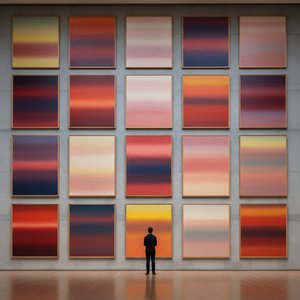
Mark Rothko: Top 25 děl mistra barev a emocí | ArtsDot.cz
Prozkoumejte 25 ikonických děl Marka Rothka, mistra abstraktního expresionismu. Objevte příběhy za jeho barevnými plátny a emoce v umění. Reprodukce obrazů nejvyšší kvality na ArtsDot.com.

Feathered Visions: A Historical & Artistic Exploration of Birds in Painting
Explore the rich history of birds in painting! Discover symbolism, artistic movements & master artists like Audubon. High-quality reproductions available at ArtsDot.