


 Náhled
 Sdílet
 Sdílet
 Podrobnosti o díle

 Stáhnout
 Podobné položky
 Rentgenové snímky
 Slideshow
Shower

 Zobrazit více
Ručně malovaná olejová reprodukce
Ručně malovaná olejná barva na plátně ve vašem zvoleném rozměru i s rámem, vyrobená našimi umělci na zakázku. ( Koupit tisk Koupit obrázek)




































Vyberte si z našich přednastavených velikostí, které odpovídají původním proporcím díla.

Můžete zadat vlastní rozměry pro konkrétní rám nebo prostor. Pokud se vámi vybraná velikost neshoduje s proporcemi původního obrazu, dílo buď ořízneme, nebo jej doplníme ručně malovanými prvky. Před zahájením výroby vám bude zaslán digitální náhled ke schválení.
Upozorňujeme, že náhled na obrazovce neodpovídá skutečnému ořezu ani rozšíření. Pouze digitální náhled přesně zobrazí finální kompozici.
Ačkoliv je možné zvolit vlastní velikost, pro zachování původních proporcí doporučujeme vybrat rozměr z předdefinovaného seznamu.
Po přijetí objednávky vám tým ArtsDot.com zašle e-mail s pokyny a poskytne náhledovou verzi.
Celosvětová doprava () za 3–4 týdny namísto standardních 5 týdnů. (23 srpen). Bez kompromisů v kvalitě.

Zdarma celosvětová expresní doprava

Vysoce kvalitní lněné plátno

Kompletní přepravní pojištění

Záruka vrácení celního poplatku

Záruka přesného barevného shodu

60denní lhůta pro vrácení zboží (pouze při vadách výroby)

100% garance vrácení peněz

Sleva při hromadné objednávce
 Skleněná varianta je dostupná pouze u rozměrů menších než 110 cm

Shower
Technika reprodukce
Rozměry reprodukce
-


Celková cena za výběr
$ 413
Podobná umělecká díla


Biografie umělce
Kitagawa Utamaro: Mistr bijin-ga
- Narozen: Tokio, Japonsko (1753)
- Zemřel: 1806
Kitagawa Utamaro byl japonský umělec proslulý svými přínosy k umění *ukiyo-e*, zejména svými zachyceními krásných žen (*bijin-ga*). Patří mezi nejslavnější tvůrce dřorytů a malířských děl období Edo, jehož odkaz trvale ovlivnil nejen japonské umění, ale i západní impresionismus.
Raný život a eğitimi
- O raném životu Utamara není známo mnoho konkrétních informací. Věří se, že se kolem roku 1753 narodil jako Kitagawa Ichitarō, přestože jeho místo narození zůstává nejisté; navrhována jsou různá místa včetně Kjóta, Ósaky, Yoshiwara (Edo) či Kawagoe.
- Působil pod vedením Toriyamy Sekiena, mistra *ukiyo-e*, který byl rovněž vycvičen v aristokratické škole malířství Kanō. Sekien v Utamarovi rozpoznal talent a pečlivě pečoval o jeho umělecký rozvoj.
- První známé publikované dílo Utamara se objevilo kolem roku 1770 jako ilustrace k antologii haikai poezie. Později vytvářel díla pod jménem Kitagawa Toyoaki, při nichž ilustroval populární literaturu a občas vytvářel portréty herců kabuki.
Cesta k slávě: Mistr bijin-ga
- V roce 1782 spojil Utamaro své síly s vydavatelem Tsutaya Jūzaburō, což znamenalo zlomový okamžický v jeho kariéře. Toto partnerství vedlo ke vzniku průlomových děl a upevnilo jeho pověst.
- V počátcích 90. let 18. století se zformoval jeho charakteristický styl: portréty žen s nepřehnanými, protáhlými rysy. Tyto *bijin-ga* se staly nesmírně populárními a ugruntovaly jeho postavení jako přední postavy uměleckého světa.
- V rámci tohoto žánru přinesl inovace tím, že se zaměřil na jednotlivé postavy a zachycování intimních okamžiků, čímž se vzdálil od tradičních skupinových portrétů. Jeho pozornost k detailům při zobrazení látek, účesů a výrazů tváří byla výjimečná.
- Během své kariéry Utamaro vytvořil přes 2000 známých tisků, čímž prokázal neuvěřitelnou produktivnost a uměleckou všestrannost.
Vlivy a umělecký vývoj
- Kiyonaga: Na Utamarovi měl vliv Torii Kiyonaga, přední portrétista krásolic, který v 80. letech 18. století definoval estetiku elegance, kterou Utamaro následně převzal a dále zdokonalil.
- Shunshō: Čerpal inspiraci i z díla Katsukawa Shunshō, který představil styl *ōkubi-e* („obraz s velkou hlavou“), jenž Utamaro úspěšně adaptoval pro své portréty žen.
- Evropský impresionismus: Dílo Utamara mělo zásadní dopad na evropské impresionistické malíře, jako byli Monet či Cassatt. Jeho využití částečných pohledů, důraz na hru světla a stínu a zaměření na každodenní témata rezonovaly s těmito umělci, kteří se jeho technikám snažili přiblížit.
Pozdní život, kontroverze a odkaz
- V roce 1804 čelil Utamaro právním potížím kvůli vytvoření tisků zobrazujících Toyotomi Hideyoshiho, což bylo citlivé téma vzhledem k jeho politickým důsledkům. Byl zatčen a držel v kleci padesát dní.
- O dva roky později, v roce 1806, zemřel, přičemž po sobě zanechal bohatý umělecký odkaz.
- Utamarovo dílo získalo v polovině devatenáctého století v Evropě široké uznání, zejména ve Francii, kde podnítilo hnutí japonismu a hluboce ovlivnilo západní umění.
- Jeho *bijin-ga* zůstávají ikonickými reprezentacemi krásy období Edo a i nadále jsou oslavovány pro svou eleganci, uměleckou hodnotu a kulturní význam.

Kitagawa Utamaro
1753 - 1806 , Japonsko
Rychlé fakta
- Artistic Movement Or Style: *Ukiyo-e*
- Artists Who Influenced This Artist:
- Torii Kiyonaga
- Katsukawa Shunshō
- Date Of Birth: 1753
- Date Of Death: 1806
- Full Name: Kitagawa Utamaro
- Nationality: Japonský
- Notable Artworks:
- Komurasaki of the Miuraya and Shirai Gompachi
- Goldfish, from the series ‘Elegant Comparison of Little Treasures’
- Drawing Lots for Prizes
- Takashima Ohisa
- Place Of Birth: Tokyo, Japonsko
Související články

Katsushika Hokusai: 25 mistrovských děl japonského umění pro váš interiér | ArtsDot.com
Prozkoumejte 25 ikonických děl japonského mistra Katsushiky Hokusaiho! Objevte příběhy za Velkou vlnou, 36 pohledů na horu Fuji a další ukiyo-e tisků. Kvalitní reprodukce obrazů pro váš interiér na ArtsDot.com.
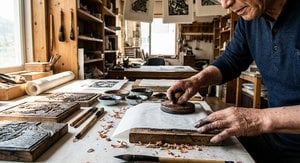
The Enduring Legacy of Woodblock Printmaking: Technique, History & Artistic Expression
Explore the rich history of woodblock printmaking – from ancient techniques to Ukiyo-e masterpieces. Discover expert insights on collecting, preserving & appreciating this enduring art form.

Japonisme: How Japanese Woodblock Prints Revolutionized Western Art
Explore the profound impact of Japonisme on Western art. Discover how Japanese ukiyo-e woodblock prints revolutionized perspective, color, and composition for masters like Monet and Van Gogh, forever changing the course of modern art history.

Ukiyo-e: Exploring Japan's Floating World & Enduring Artistic Legacy
Explore the captivating world of Ukiyo-e – Japan's iconic woodblock prints! Discover masters like Hokusai & Hiroshige, learn about Edo period culture, and find expert art collecting guidance at ArtsDot.

Tsukioka Yoshitoshi: A Master of Ukiyo-e's Final Flourish – Narrative, Innovation, and the Meiji Transition
Explore the life & art of Tsukioka Yoshitoshi, the last great master of ukiyo-e woodblock printing. Discover his dramatic warrior prints, innovative series like 'One Hundred Aspects of the Moon,' and legacy reflecting Japan's Meiji transition.

